
Already Have an infestation?
Get trusted, step-by-step guidance to address active pest problems quickly, safely, and effectively for long-lasting protection.
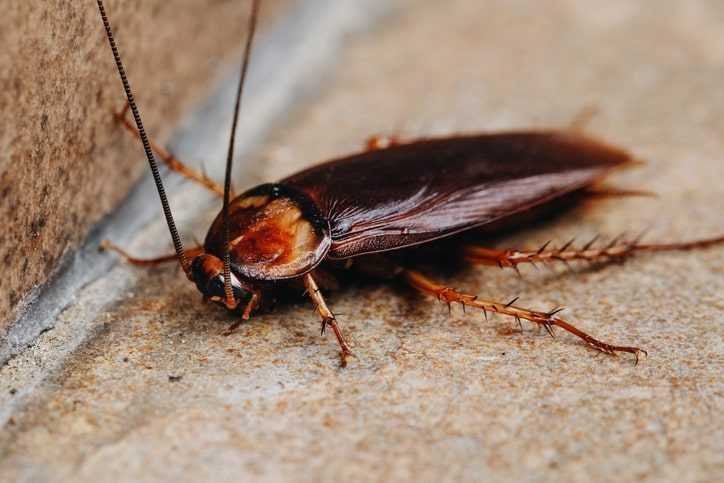
Discovering pests in your home can be alarming, and many homeowners only realize the extent of an infestation after the problem has escalated. Acting quickly, however, can prevent further property damage, health risks, and costly remediation. Even a few sightings may indicate the early stages of an infestation that can rapidly grow if left unchecked.
The goal of this page is to provide a clear, step-by-step guide to eliminating infestations, helping homeowners take immediate action while avoiding common mistakes. Whether your problem involves cockroaches, ants, termites, or other household pests, following a structured plan increases your chances of success.
Our approach emphasizes a tiered strategy:
- DIY methods are recommended for minor or moderate infestations, focusing on sanitation, exclusion, and targeted treatments.
- Professional intervention is advised for severe infestations, structural damage, or when identification and elimination exceed typical homeowner capabilities.
By following the steps outlined here, you can act confidently, reduce the risk of spreading pests, and restore a safe, clean home environment.
Confirm the Infestation
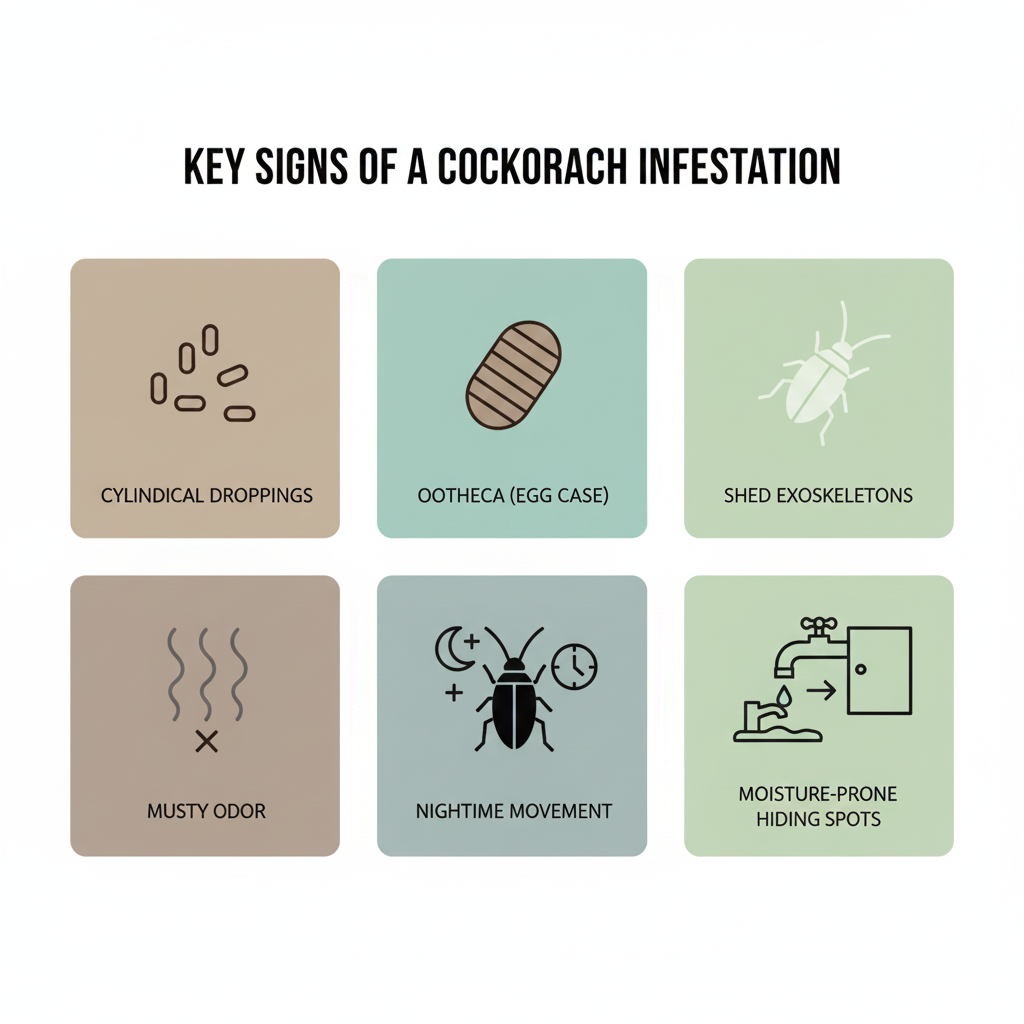
Before taking any elimination measures, it is essential to confirm that an infestation is actually present. Misidentifying a single stray insect as a full-blown problem can lead to unnecessary chemical use, wasted time, and undue stress. Proper confirmation ensures that your response is both targeted and effective.
How to Inspect for Signs
Look for the common indicators of pest activity, which vary depending on the type of insect but often include:
- Droppings: Small dark pellets, smear marks, or frass depending on the pest species.
- Egg cases or oothecae: Typically hidden in cracks, behind appliances, or in closets.
- Shed skins: Many insects, such as cockroaches, shed exoskeletons multiple times as they grow.
- Physical damage: Chewed wood, paper, fabrics, or food packaging may indicate termite, rodent, or beetle activity.
- Odors: Musty, oily, or unusual scents can signal heavy infestations, especially with cockroaches.
Tools to Use
To assist with detection and monitoring:
- Sticky traps or glue boards can capture insects and help gauge numbers.
- Pheromone traps are effective for certain species like pantry moths or ants.
- Cameras or smartphone photos allow for detailed inspection and consultation with guides or professionals.
Record Keeping
Documenting what you observe is crucial for tracking the infestation and evaluating the effectiveness of control measures:
- Note locations of sightings.
- Record frequency and number of pests spotted.
- Track patterns, such as time of day, activity hotspots, or seasonal variations.
Keeping a detailed log not only helps you act more strategically but also provides essential information if professional assistance becomes necessary.
Assess Severity

Once the infestation is confirmed, the next step is to assess the severity, as this will determine whether a DIY approach is sufficient or professional intervention is required.
Minor Infestation
- Description: Single sightings or a very small number of insects, usually localized to one room or area.
- Typical Response: Homeowners can often handle this with proper cleaning, sealing entry points, and using targeted traps or baits.
Moderate Infestation
- Description: Multiple sightings across several areas, occasional droppings, or small clusters of insects.
- Typical Response: A combination of enhanced DIY measures (sanitation, moisture control, exclusion, traps) is needed, and monitoring should continue over several days to ensure effectiveness.
Severe Infestation
- Description: Widespread presence in multiple rooms, visible damage to food, wood, or fabrics, and continuous activity despite initial attempts to control.
- Typical Response: Professional pest control is strongly recommended. Specialists can identify the pest accurately, locate nests, and apply treatments safely and effectively.
Understanding the severity of the infestation ensures you choose the right approach—preventing wasted time and effort, reducing exposure to chemicals, and protecting your home from long-term damage.
DIY Elimination Methods

When dealing with a minor or moderate infestation, homeowners can take effective DIY steps that combine sanitation, exclusion, and targeted treatments. These methods are safe, cost-effective, and often sufficient to eliminate small pest populations if applied consistently.
Sanitation and Cleaning
Maintaining a clean home is the first and most critical step in controlling pests. Insects are attracted to food scraps, spills, and clutter, which provide both nourishment and hiding places.
- Remove food scraps, spills, and garbage: Clean countertops, sweep and vacuum floors, and promptly dispose of food waste. Pay attention to hidden areas like under appliances, behind cabinets, and inside pantry shelves.
- Store food in sealed containers: Use airtight containers for dry goods such as cereals, flour, rice, and pet food to prevent cockroaches, ants, and pantry pests from accessing food.
- Declutter hiding spots: Reduce clutter in basements, closets, garages, and storage areas. Cardboard boxes, stacks of papers, and piles of clothes can serve as shelter for pests. Organize and elevate items off the floor to minimize potential hiding places.
Consistent sanitation not only reduces available food sources but also exposes pests, making them easier to target with traps or treatments.
Moisture Control
Many pests, including cockroaches, silverfish, and earwigs, thrive in damp environments. Reducing moisture makes your home less attractive and limits reproduction.
- Fix leaks and drips: Repair leaking faucets, pipes, and roofs. Check under sinks, behind toilets, and around water heaters for hidden leaks.
- Reduce standing water and humidity: Empty plant trays, fix dripping taps, and use dehumidifiers in basements or bathrooms. Proper ventilation in damp areas prevents mold growth, which can also attract pests.
- Maintain gutters and drainage: Ensure water flows away from your home’s foundation to prevent moisture accumulation that draws pests indoors.
Even minor moisture control measures can dramatically reduce the pest population over time.
Exclusion Techniques
Preventing pests from entering your home is just as important as eliminating existing populations. Exclusion measures help stop new infestations.
- Seal cracks, gaps, and entry points: Inspect baseboards, door frames, windows, and utility penetrations. Use caulk or weather-resistant sealants to close gaps.
- Install door sweeps and weather stripping: Prevent insects from entering through the bottom of doors and windows.
- Repair screens: Torn or loose window and vent screens can allow flies, moths, and other insects inside. Ensure all openings are properly covered.
Sealing entry points reduces the chance of reinfestation and complements other elimination strategies.
Traps and Targeted Treatments
Targeted trapping and treatment provide direct control of existing pests. Combined with sanitation and exclusion, they are highly effective.
- Sticky traps, glue boards, or pheromone traps: Ideal for monitoring activity and capturing individual insects. Place them near walls, under appliances, or in suspected hiding spots.
- Bait stations for ants and cockroaches: Gel or solid baits attract pests to consume poison that they then carry back to nests, effectively controlling colonies.
- Non-toxic powders or diatomaceous earth: Sprinkle in cracks, corners, and behind appliances. These act mechanically to dry out pests and are safe for humans and pets when used properly.
Traps also help you assess population size and hotspots, allowing you to adjust your strategy as needed.
Professional Intervention

While DIY methods are effective for minor infestations, severe or persistent problems often require professional expertise. Pest control professionals bring knowledge, experience, and specialized tools to resolve infestations safely and efficiently.
When to Call a Professional
Professional intervention is recommended in the following scenarios:
- Persistent pest sightings despite consistent DIY efforts.
- Visible damage to wood, insulation, or stored items.
- Infestations involving health risks, such as cockroaches, termites, or bed bugs.
- Uncertainty about the type of pest or appropriate treatment.
Waiting too long or attempting improper treatments can worsen the problem and increase costs.
Methods Used by Professionals
- Integrated Pest Management (IPM): A comprehensive approach combining sanitation, exclusion, monitoring, and targeted chemical treatments to eliminate pests effectively while minimizing environmental impact.
- Chemical treatments: Includes gel baits, sprays, dusts, or fumigation. Professionals apply chemicals precisely to maximize effectiveness and minimize risks.
- Inspection and monitoring: Technicians identify nesting sites, entry points, and pathways to prevent reinfestation and ensure long-term control.
Professionals can tailor solutions to your specific infestation, ensuring faster and more thorough results.
Safety Considerations
- Professionals minimize chemical exposure for family members and pets.
- Treatments are applied in targeted areas, reducing waste and hazards.
- Follow-up inspections ensure that treatments are effective and safe.
By combining expert application with ongoing prevention measures, homeowners can achieve long-lasting control.
Preventing Reinfestation
Elimination is only the first step; preventing pests from returning is essential for maintaining a healthy, safe home.
Ongoing Monitoring
- Use sticky traps and pheromone traps to detect early pest activity.
- Regularly inspect kitchens, basements, bathrooms, and storage areas.
- Track sightings and note patterns to catch potential problems before they escalate.
Continuous Sanitation, Moisture Control, and Exclusion
- Maintain clean surfaces and properly store food.
- Continue fixing leaks, reducing standing water, and improving ventilation.
- Seal gaps, cracks, and potential entry points around doors, windows, and utility penetrations.
Consistent application of these measures prevents pests from finding new food, water, or shelter.
Educating Homeowners
- Learn the habits and lifecycles of common pests in your area.
- Recognize early warning signs, such as droppings, egg cases, or chewed materials.
- Acting promptly when initial signs appear is easier and less costly than dealing with a full infestation.
Homeowner awareness and proactive measures are often the most effective long-term defense against infestations.
Step-by-Step Infestation Response Checklist
A structured checklist helps homeowners tackle infestations systematically, ensuring no steps are skipped and improving the likelihood of successful elimination. Follow this step-by-step plan:
Identify the Pest and Confirm Infestation
- Carefully observe the insects and signs of activity (droppings, egg cases, shed skins, or damage).
- Take photos or samples if needed to compare with identification guides.
- Correct identification ensures the most effective treatment and prevents wasting time or using incorrect chemicals.
Assess Severity
- Determine if the infestation is minor, moderate, or severe.
- Minor infestations can usually be handled with DIY methods, while severe infestations may require professional intervention.
Implement DIY Elimination Measures
- Focus on sanitation: clean surfaces, remove food debris, and declutter hiding spots.
- Apply moisture control: repair leaks, reduce standing water, and improve ventilation.
- Use exclusion techniques: seal cracks, repair screens, and install door sweeps.
- Deploy traps and targeted treatments: sticky traps, bait stations, or safe powders to reduce populations.
Monitor Effectiveness Over 3–7 Days
- Track pest activity using sticky traps or visual inspections.
- Note reductions in sightings and signs of activity to evaluate whether the treatment is working.
- Adjust strategies if pests remain active, targeting new hotspots as they appear.
Contact a Professional if Pests Persist or Damage Continues
- Persistent sightings, structural damage, or health concerns indicate that DIY measures may be insufficient.
- A licensed pest control professional can accurately identify pests, apply advanced treatments, and ensure long-term prevention.
Follow Post-Treatment Prevention Strategies
- Continue sanitation, moisture control, and exclusion efforts.
- Remove attractants and maintain clean, dry conditions to discourage pests from returning.
Conduct Periodic Inspections to Maintain Control
- Regularly check vulnerable areas such as kitchens, bathrooms, basements, and storage rooms.
- Early detection of new pest activity allows for quick intervention, preventing another full-scale infestation.
Tips: Keep a log of all sightings, treatments applied, and observations to improve monitoring and prevention over time.
Conclusion
Infestations can pose serious health risks and property damage if left unchecked, but taking structured, informed action ensures the best outcome. Homeowners who follow a step-by-step approach gain control over pests safely and effectively.
Key Takeaways:
- Early identification and confirmation of the pest is critical.
- Assessing severity helps you choose between DIY methods and professional help.
- Consistent sanitation, moisture control, exclusion, and monitoring prevent reinfestation.
Taking the right steps at the first sign of an infestation can save you time, stress, and potential damage to your home. Whether you’re handling a minor issue yourself or preparing to call in professional help, having clear guidance and reliable resources ensures you take the most effective and safe approach. Use the tools and strategies outlined in this guide to stay organized, act decisively, and prevent pests from returning.
This naturally leads into your call-to-action points:
- Download our full Infestation Elimination Guide for detailed DIY instructions, safety tips, and troubleshooting advice.
- Contact a licensed pest control professional for severe, persistent, or difficult-to-identify infestations.
- Bookmark or print the step-by-step checklist to keep it handy for ongoing reference.
Acting quickly not only eliminates the current infestation but also reduces the risk of further damage and protects your family’s health. A proactive, organized approach is the key to maintaining a pest-free home.