
Want to Prevent Future Problem?Proactive Strategies to keep Your Home Cockroach Free
Explore proactive, expert-backed strategies designed to keep your home protected and completely cockroach-free year-round.
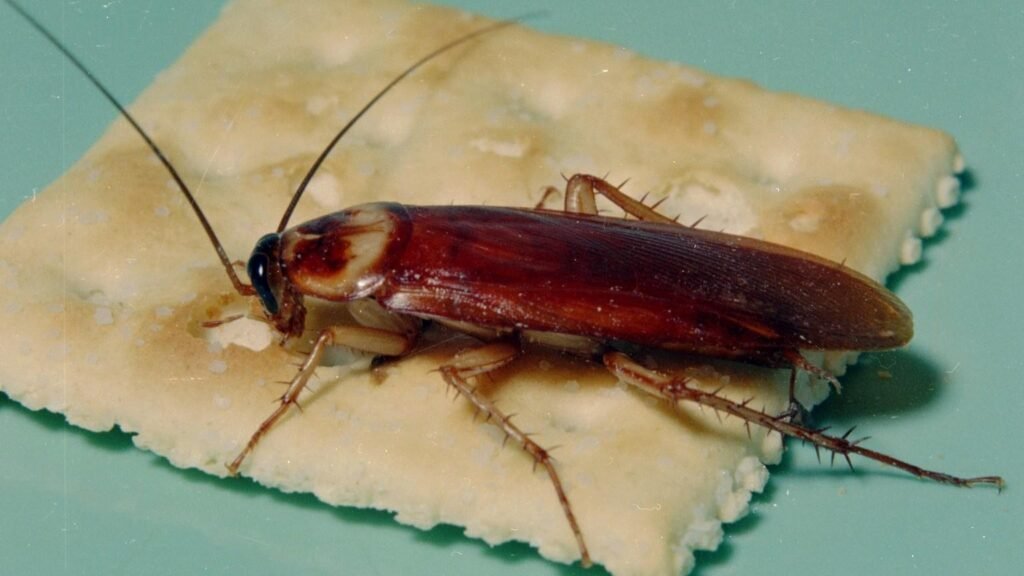
Cockroaches are some of the most resilient and fast-reproducing pests found in homes. A single female can produce dozens of offspring in a matter of weeks, and their ability to hide in small cracks and crevices makes them difficult to eliminate once an infestation takes hold. While many homeowners focus on extermination after discovering a problem, the truth is that prevention is far easier, safer, and more cost-effective than dealing with a full-blown infestation.

The goal of this page is to provide actionable, proactive strategies that homeowners can implement immediately to minimize the risk of cockroach activity. By taking preventive measures, you can maintain a healthy, clean, and safe environment while avoiding the stress and expense associated with reactive pest control.
Our approach emphasizes a comprehensive strategy that targets the root causes of infestations:
- Sanitation: Removing food and water sources that attract pests.
- Exclusion: Sealing entry points to prevent cockroaches from entering the home.
- Moisture Control: Eliminating damp areas that serve as breeding grounds.
- Monitoring: Early detection to catch potential issues before they escalate.
Importance of Proactive Prevention
Taking proactive steps against cockroaches is not just about cleanliness—it’s about protecting your health, property, finances, and peace of mind.
Health Risks
Cockroaches are known carriers of allergens, bacteria, and pathogens that can trigger asthma attacks, allergic reactions, and foodborne illnesses. Proactive prevention reduces the likelihood of exposure to harmful contaminants and minimizes health risks for you and your family.
Property Protection
Persistent cockroach activity can lead to damage in kitchens, pantries, wiring, and furniture. Their droppings, shed skins, and secretions can stain surfaces and contaminate food, while their tendency to chew on packaging can increase waste. Preventing infestations safeguards your home and belongings from long-term harm.
Cost-Effectiveness
Prevention is significantly cheaper and safer than repeated extermination efforts. Investing time in simple measures—like sealing gaps, maintaining cleanliness, and reducing moisture—prevents costly professional treatments or home repairs later on.
Peace of Mind
A structured prevention plan reduces the stress and anxiety caused by recurring pests. Knowing that your home is protected from infestations allows you to focus on daily life without constant worry about cockroach sightings or potential contamination.
Sanitation and Cleanliness

Sanitation is the cornerstone of cockroach prevention. Cockroaches thrive in environments where food, water, and shelter are readily available. By eliminating these attractants, you make your home less hospitable to pests.
Food Storage
- Keep all dry and perishable foods in airtight containers to prevent access.
- Wipe counters, stovetops, and tables regularly to remove crumbs and spills.
- Clean pet food dishes after feeding and avoid leaving food out overnight.
Garbage Management
- Empty trash cans daily, particularly in kitchens and dining areas.
- Use lined bins with secure lids and clean them periodically to remove residue and odors.
- Take garbage and recycling out promptly to prevent cockroaches from scavenging.
Clutter Reduction
- Remove cardboard boxes, paper stacks, and unused items from kitchens, basements, and storage areas.
- Organize items on shelves or elevated surfaces to reduce hiding places.
- Consider using plastic bins with tight-fitting lids for storage rather than cardboard, which cockroaches can easily penetrate.
Regular Cleaning Schedule
- Sweep, vacuum, and mop floors daily or weekly, paying extra attention to areas where food is prepared or consumed.
- Clean under appliances, behind cabinets, and inside pantries to remove hidden crumbs or moisture.
- Wipe down sinks, faucets, and counters to reduce water sources that attract cockroaches.
By maintaining a high standard of cleanliness, you remove the basic elements cockroaches need to survive, making it much less likely for them to establish a foothold in your home.
Moisture Control
Moisture is one of the main attractants for cockroaches, as they need water to survive. Even small amounts of standing water or persistent humidity can create ideal breeding conditions. Implementing moisture control measures significantly reduces the likelihood of infestations.
Repair Leaks
- Inspect all faucets, pipes, water heaters, and appliances for drips or leaks.
- Promptly repair leaking faucets or pipes, as even small leaks under sinks or behind appliances provide a continuous water source.
- Check hidden areas such as behind dishwashers, under refrigerators, or around washing machines for unnoticed leaks.
Reduce Standing Water
- Empty plant trays, pet water bowls, and any other containers that collect water.
- Address condensation around sinks, windows, or air conditioning units.
- Avoid overwatering houseplants, which can create damp soil that attracts cockroaches.
Ventilation
- Improve airflow in damp areas like basements, bathrooms, laundry rooms, and crawl spaces using fans, vents, or dehumidifiers.
- Ensure attic and basement ventilation is adequate to reduce humidity buildup.
- Proper ventilation not only deters pests but also helps prevent mold growth and other moisture-related problems.
Check Exterior Drainage
- Make sure water from gutters, downspouts, and landscaping flows away from your home’s foundation.
- Avoid creating low spots or puddles near the home where moisture can accumulate.
- Consider installing gravel or grading soil to improve drainage and reduce damp harborage zones near walls.
Exclusion and Home Maintenance

Exclusion focuses on blocking access points to prevent cockroaches from entering your home. Regular maintenance ensures that gaps, cracks, and other vulnerabilities do not provide shelter for pests.
Seal Entry Points
- Inspect doors, windows, walls, baseboards, utility penetrations, and vents for cracks or gaps.
- Use caulk, weather-resistant sealants, and door sweeps to close openings.
- Pay attention to small holes around plumbing pipes, electrical outlets, and vents that pests can exploit.
Repair Screens and Vents
- Replace or repair damaged window screens to block outdoor pests.
- Ensure crawlspace vents, attic vents, and foundation openings are properly covered with mesh or grills.
- Keep vents clear of debris to maintain airflow while preventing pest entry.
Structural Maintenance
- Keep doors, windows, and exterior siding in good condition to minimize entry points.
- Repair broken roofing, damaged siding, or deteriorated foundations that can allow cockroaches or other pests to access hidden spaces.
- Inspect and maintain weather stripping, thresholds, and caulking around openings annually.
Monitoring and Early Detection

Even with preventive measures in place, early detection is critical for catching potential infestations before they become serious.
Use Sticky Traps or Glue Boards
- Place traps along walls, behind appliances, under sinks, and in dark corners.
- Sticky traps allow you to monitor pest activity, identify hotspots, and detect early signs of cockroach presence.
Regular Inspections
- Conduct weekly inspections of kitchens, bathrooms, basements, garages, and other high-risk areas.
- Look for droppings, egg cases, shed skins, or unusual odors.
- Early detection enables immediate action, preventing small populations from growing into infestations.
Identify High-Risk Areas
- Pay attention to warm, humid areas such as behind refrigerators, under sinks, and near plumbing.
- Focus on areas with food debris, clutter, or moisture, as these are the most likely locations for cockroaches to thrive.
- Track any sightings or signs in a log to identify patterns over time.
Non-Chemical Preventive Measures
In addition to cleaning, moisture control, and exclusion, non-chemical measures provide an added layer of defense, particularly for families with children or pets.
Natural Deterrents
- Use bay leaves, peppermint oil, eucalyptus oil, or other essential oils in cupboards, corners, and entry points.
- Sprinkle diatomaceous earth in cracks, crevices, and behind appliances. This naturally dehydrates insects without harmful chemicals.
- Rotate deterrents periodically to maintain effectiveness.
Maintain Outdoor Landscaping
- Keep mulch, compost, leaf litter, and dense vegetation at least 12–18 inches away from the home’s foundation.
- Trim bushes and trees that touch the house to reduce cockroach harborage and climbing pathways.
- Remove debris that can trap moisture and provide shelter for pests.
Proper Food and Pet Waste Management
- Avoid leaving pet food out overnight; feed pets at designated times and remove leftover food promptly.
- Keep outdoor garbage bins sealed and away from doors or windows.
- Regularly clean areas where food is prepared, served, or stored to eliminate attractants.
By combining these non-chemical measures with sanitation, moisture control, and exclusion, homeowners create a comprehensive, long-term defense against cockroach infestations.
Professional Prevention Options
While DIY measures are highly effective for everyday prevention, professional services provide expert guidance and additional tools to ensure your home remains cockroach-free in the long term.
Routine Inspections
- Licensed pest control professionals can thoroughly inspect your home, identifying potential entry points, nesting sites, and high-risk areas that may go unnoticed by homeowners.
- Inspections often include kitchens, bathrooms, basements, crawl spaces, and exterior perimeters.
- Professionals can detect early signs of pest activity, allowing for timely intervention before infestations become severe.
Preventive Treatments
- Professionals may apply barrier sprays or baits around the home’s perimeter to prevent cockroaches from entering.
- Treatments are applied strategically in high-risk zones, such as around plumbing, foundation edges, and exterior doors, ensuring minimal exposure to residents and pets.
- Preventive treatments act as a first line of defense, stopping pests before they can establish themselves indoors.
Advice on Long-Term Maintenance
- Experts provide tailored recommendations on cleaning routines, moisture control, exclusion methods, and landscaping practices to reduce future risks.
- They may suggest adjustments in storage practices, ventilation, or sanitation habits that homeowners can implement for maximum protection.
- Guidance from professionals complements DIY strategies and reinforces a comprehensive, long-term prevention plan.
Step-by-Step Prevention Plan
A structured, step-by-step prevention plan helps homeowners stay proactive and reduces the likelihood of infestations. The following steps combine DIY efforts with professional guidance for maximum effectiveness:
- Maintain Consistent Sanitation
- Clean daily, remove crumbs, store food in airtight containers, and manage garbage regularly.
- Repair Leaks and Reduce Moisture
- Fix dripping faucets, appliances, and plumbing leaks; reduce standing water and humidity in basements, bathrooms, and kitchens.
- Seal Cracks, Gaps, and Other Entry Points
- Caulk walls, doors, and windows; install weather stripping and door sweeps; repair screens and vents.
- Monitor Using Traps and Inspect High-Risk Areas
- Use sticky traps or glue boards; inspect kitchens, bathrooms, basements, and storage spaces weekly.
- Apply Non-Chemical Deterrents in Problem Areas
- Place bay leaves, peppermint oil, or diatomaceous earth in cracks, corners, and behind appliances.
- Schedule Periodic Professional Inspections
- Arrange annual or biannual inspections with a licensed pest control professional to detect potential issues before they develop into infestations.
By following this plan, homeowners create a multi-layered defense system that addresses food, water, shelter, and access points while maintaining vigilance through monitoring and professional oversight.
Call-to-Action
Taking preventive measures proactively ensures your home remains comfortable, safe, and pest-free. Use the resources and strategies outlined here to protect your household from cockroaches and other common pests.
- Download a Cockroach Prevention Checklist for step-by-step guidance on cleaning, moisture control, exclusion, and monitoring.
- Schedule a professional inspection to identify potential vulnerabilities and receive expert recommendations before an infestation occurs.
- Bookmark or print monitoring charts to maintain ongoing vigilance and quickly detect any signs of pest activity.
By combining daily maintenance, strategic monitoring, and professional support, you can prevent infestations before they start and enjoy a healthier, cleaner home.