An honest, science-backed look at natural, chemical-free pest control methods—separating genuinely effective essential oils from widespread internet myths.
The Appeal of Going Natural: Why Homeowners Seek DIY Alternatives
Nobody wants harsh, toxic chemicals sprayed around food prep surfaces, pantry shelves, or baseboards—especially families with young children or curious pets. This concern has driven massive interest in natural pest control remedies, with social media frequently promoting essential oils as “miracle cures” for household pests.
When dealing with an insect as notoriously resilient and adaptable as the cockroach, do plant-based scents and oils actually stand a chance?
The short answer is yes—but with major caveats. Essential oils can be powerful sensory deterrents, but they are not a substitute for a comprehensive eradication strategy. To understand why, you first have to understand how cockroaches perceive their environment.
Peppermint Oil: The Genuinely Effective Deterrent:
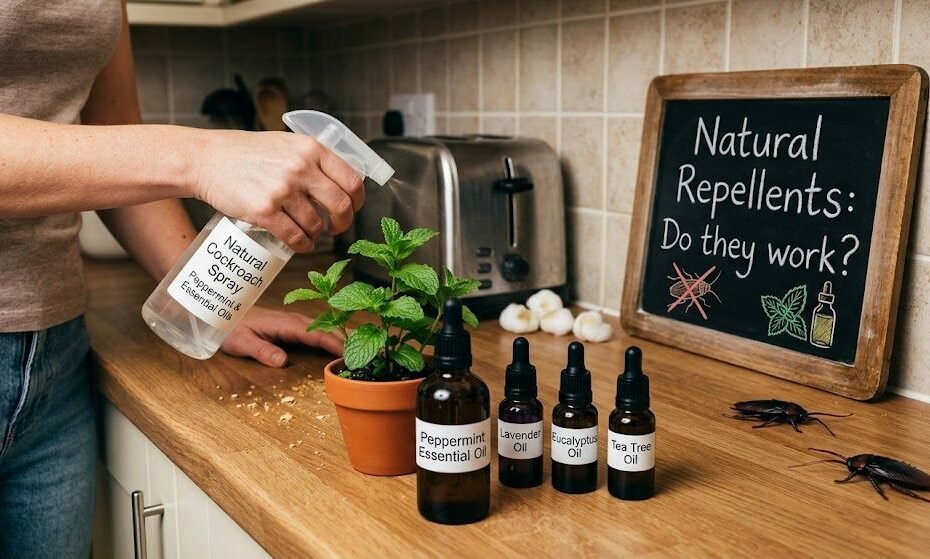
Of all the natural remedies, peppermint essential oil has the most scientific backing. Cockroaches rely heavily on their sense of smell to navigate, find food, and locate mates. The overwhelming, highly concentrated scent of peppermint oil completely disrupts their olfactory receptors. Mixing 15 drops of high-quality peppermint oil with water in a spray bottle and treating baseboards and entry points is an excellent way to *deter* roaches from entering a specific area.
The Science of Scent: How Essential Oils Affect Cockroaches
Cockroaches have poor eyesight and navigate their world almost entirely through chemoreceptors located on their antennae and body parts. These receptors help them:
- Detect microscopic food residue and water sources from several rooms away.
- Follow aggregation pheromone trails left behind by other roaches.
- Identify safe harborage areas and locate prospective mates.
Certain essential oils contain volatile organic compounds (like menthol, nepetalactone, and azadirachtin) that overwhelm and irritate these sensitive receptors. When sprayed along entry paths, these strong compounds disrupt their chemical navigation, creating an invisible olfactory barrier that cockroaches actively avoid.
Neem Oil and Catnip:

Neem oil, derived from the neem tree, is a fantastic natural pesticide. It acts as an insect growth regulator, interfering with a cockroach’s ability to molt and reproduce. Catnip also contains a compound called nepetalactone, which has been shown in university studies to be highly repulsive to cockroaches. Simmering catnip in water and using it as a spray can keep pests away from specific zones.
The Limitations of Natural Repellents:
Here is the harsh truth: natural repellents are excellent for *preventing* bugs, but they are terrible at *curing* an existing infestation. Peppermint oil will not kill a cockroach; it will just make them walk a different way. If you already have a nest of hundreds of roaches breeding behind your dishwasher, essential oils will not solve your problem. You must use baits or professional treatments to eliminate the nest, and then use natural oils to keep them from coming back.
Natural Repellents That Actually Work (Science-Backed)
Not all essential oils are created equal. While many DIY recipes online do very little, several plant extracts have proven laboratory backing:
1. Peppermint Oil (Mentha piperita)
Of all natural remedies, peppermint essential oil has the strongest scientific evidence for repelling cockroaches. Its high concentration of menthol acts as a potent sensory irritant.
- How it works: Menthol masks food smells and irritates the cockroach’s nervous system, forcing them to turn around.
- Effectiveness: In high concentrations, direct contact with concentrated peppermint oil can be toxic to roaches, while diluted sprays act as a reliable deterrent.
2. Catnip Oil (Nepeta cataria)
Catnip isn’t just for felines. It contains nepetalactone, a natural compound studied extensively by researchers at Iowa State University and Rutgers University.
- How it works: Laboratory tests demonstrated that nepetalactone is significantly more effective at repelling certain cockroach species than low-strength synthetic repellents.
- How to use: Simmering dried organic catnip in water to create a concentrated tea—or using diluted catnip essential oil—creates a strong boundary spray.
3. Neem Oil (Azadirachta indica)
Derived from the seeds of the neem tree, neem oil is unique because it acts as both a repellent and a natural insecticide.
- How it works: Neem contains azadirachtin, a compound that mimics insect hormones. When ingested, it acts as an Insect Growth Regulator (IGR), preventing juvenile nymphs from molting and inhibiting adult reproductive cycles.
- Best used for: Low-level pest control and preventive perimeter treatments where you want long-term disruption rather than just a temporary scent barrier.
4. Other Notable Mention: Tea Tree & Eucalyptus Oils
Both tea tree oil (Melaleuca) and lemon eucalyptus oil contain natural terpenes and cineole, which show moderate repellent properties against German and American cockroaches when applied consistently.
Overhyped Internet Myths: What Doesn’t Work
Before spending time and money, skip these commonly recommended remedies:
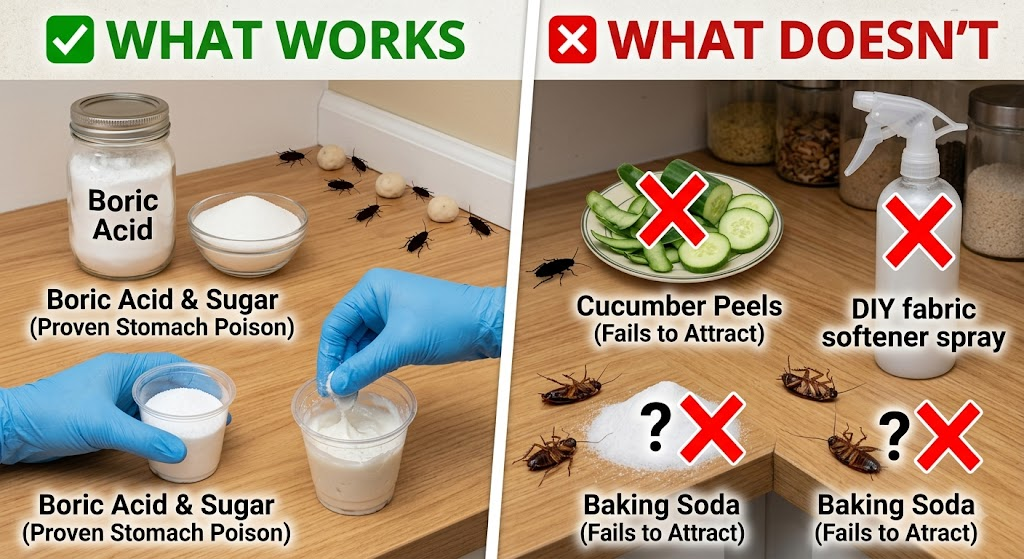
- Bay Leaves: While often cited in folklore, cockroaches frequently crawl directly over dried bay leaves unless the concentration is impossibly dense.
- Lemon Juice & Citrus Peels: While fresh citrus is pleasant to humans, diluted citrus juice provides minimal, short-lived deterrence against hungry roaches.
- Cucumber Slices: A persistent myth with zero scientific basis. Leftover cucumber slices simply rot and become a food source.
Important Safety Warning: Essential Oils and Pets
⚠️ Pet Safety Alert: Natural does not automatically mean safe for your four-legged companions.
- Cats: Felines lack a specific liver enzyme (glucuronyl transferase) required to metabolize essential oils. Peppermint oil, tea tree oil, and citrus oils can be toxic to cats if inhaled in high concentrations, absorbed through paws, or ingested during grooming.
- Dogs: Highly concentrated oils can cause respiratory irritation or skin sensitivities in dogs.
- Best Practice: Keep pets out of rooms while applying essential oil sprays, never apply undiluted oils where pets walk or groom, and ensure the area is well-ventilated and completely dry before allowing pets back in.
How to Make and Apply a DIY Peppermint Roach Spray
Because essential oils and water do not naturally mix, you need an emulsifier to disperse the oil evenly throughout the bottle.
DIY Peppermint Barrier Spray Recipe:
- 2 cups Distilled water
- 20–25 drops 100% Pure Peppermint Essential Oil
- 1 teaspoon Witch hazel (or mild unscented dish soap as an emulsifier)
- 1 Glass spray bottle (essential oils can degrade cheap plastic over time)
Application Instructions:
- Combine witch hazel (or soap) and peppermint oil in the bottle first, swirl to combine, then add distilled water.
- Shake vigorously before each use.
- Spray along hotspots: baseboards, under kitchen sinks, around water pipe entryways, behind refrigerators, and along door sweeps.
- Reapply every 48 to 72 hours, as volatile oils evaporate quickly and lose potency once the scent fades.
The Harsh Limitation: Prevention vs. Active Infestation
Here is the most critical distinction every homeowner must make:
| Factor | Natural Essential Oils | Professional Gel Baits & Traps |
| Primary Function | Repels & redirects pests | Attracts, kills, and eliminates nests |
| Best Used For | Prevention & post-treatment barriers | Active, established infestations |
| Impact on Nests | None (forces roaches into wall voids) | Transferred back to nest (secondary kill) |
| Residual Life | Short (1–3 days) | Long (up to 30–90 days) |
Why Essential Oils Cannot Cure an Active Infestation:
- They Do Not Eliminate the Nest: Essential oils will not kill roaches hiding deep within walls, subfloors, or appliance motor housings.
- They Cause Scattering: Spraying strong repellents around an active infestation often backfires—it simply scatters the roaches into bedrooms, living rooms, and adjacent walls.
- Egg Cases (Oothecae) Are Untouched: Cockroach egg cases are impervious to scent sprays. Even if adult roaches avoid the area, the eggs will hatch safely inside hidden harborage zones.
Conclusion: How to Use Natural Repellents the Right Way
Essential oils like peppermint, neem, and catnip are not useless—they are simply misunderstood.
If your goal is to build an eco-friendly maintenance shield after sealing entry holes, or to discourage stray roaches from coming in through patio doors and plumbing gaps, essential oil sprays are an excellent, pleasant-smelling line of defense.
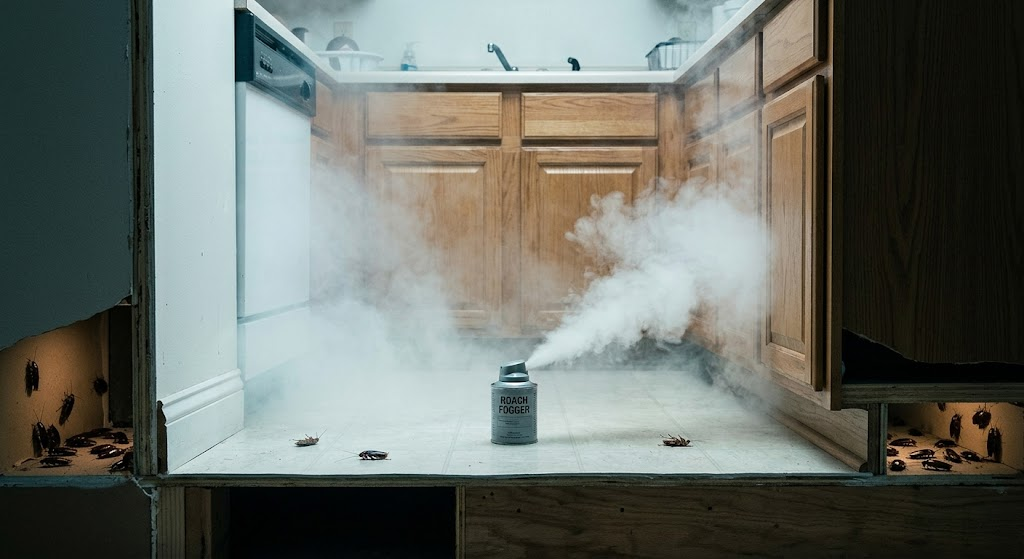
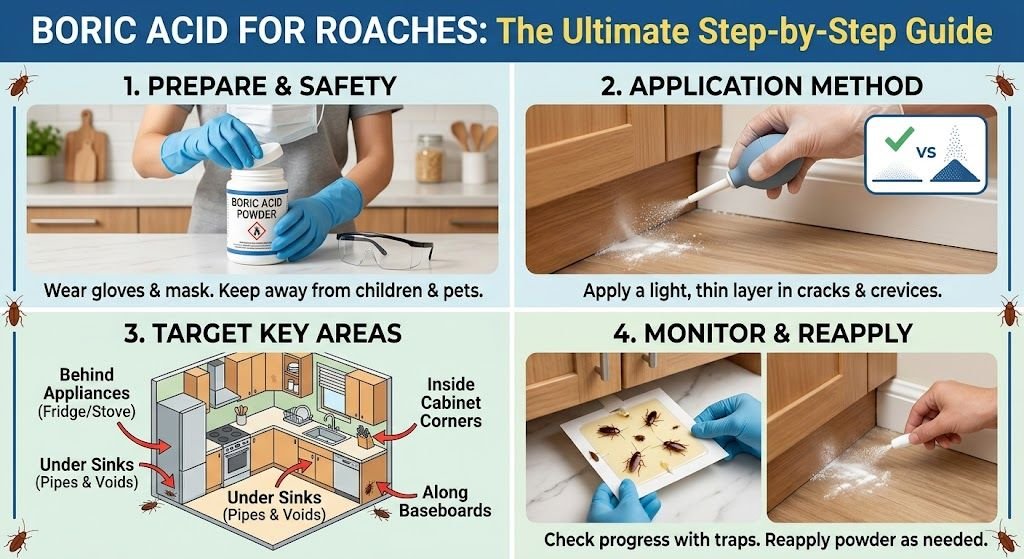
However, if you are currently seeing live roaches during the day, noticing droppings, or dealing with German cockroaches, put the essential oils aside temporarily. Focus first on sanitation, targeted gel baits, boric acid/diatomaceous earth in dry voids, or professional extermination. Once the nest is eradicated, bring out the peppermint oil to ensure they never return.
Frequently Asked Questions (FAQ)
1. Does peppermint oil actually kill cockroaches on contact?
Directly spraying a cockroach with an undiluted or highly concentrated peppermint oil solution can suffocate and kill it due to the heavy breakdown of its waxy exoskeleton. However, normal diluted household sprays will not kill them; they only act as a deterrent to make the insect change direction.
2. How often do I need to reapply essential oil sprays?
Because essential oils are volatile, their aromatic compounds evaporate rapidly. For optimal deterrence, reapply your DIY spray every 2 to 3 days, or immediately after washing surfaces and countertops.
3. Can I use essential oils if I have an active German cockroach infestation?
It is not recommended during an active infestation. German cockroaches reproduce rapidly and live in large hidden colonies. Using repellent oils will cause the colony to scatter deeper into walls, ceilings, and other rooms, making eradication significantly harder. Use non-repellent baits first.
4. Can peppermint or neem oil destroy cockroach egg cases?
No. Cockroaches protect their eggs inside a hard, protein-rich shell called an ootheca. Scent-based repellents and essential oils cannot penetrate the egg casing, meaning nymphs will still hatch uninterrupted.
5. What essential oil is safest to use around pets?
No essential oil is completely without risk around pets, especially cats. If you have pets, safer natural alternatives include food-grade diatomaceous earth placed in inaccessible cracks and crevices, sticky monitor traps, and sealing exterior gaps with silicone caulk.
6. Can I mix peppermint oil with other oils for a stronger repellent?
Yes. Blending peppermint oil with tea tree oil, catnip extract, or eucalyptus can create a broad-spectrum aromatic barrier. Just ensure you include a few drops of dish soap or witch hazel in the spray bottle to properly emulsify the oils in water.
7. What should I do if natural sprays aren’t stopping the roaches?
If roaches continue to appear after applying essential oils, you likely have an established indoor nesting site. Switch to an Integrated Pest Management (IPM) strategy: eliminate standing moisture, seal entry cracks, apply targeted cockroach gel baits in hidden crevices, and consult a licensed pest professional if sightings persist.