A practical breakdown of homemade cockroach bait recipes, evaluating which DIY solutions actually kill roaches and which are a complete waste of your time.
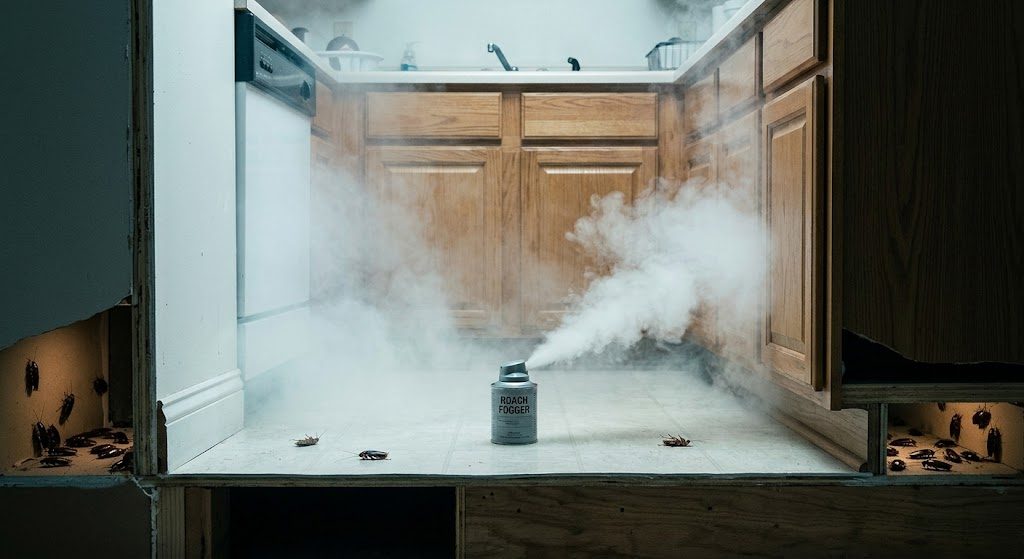
When an unexpected cockroach darts across the kitchen floor, the immediate reaction is often a trip to the pantry. Homemade baits promise a tempting compromise: they are cheap, use everyday household ingredients, and avoid the noxious fumes associated with commercial bug bombs.
However, the internet is flooded with DIY pest control “hacks,” ranging from lethal DIY concoctions to useless old wives’ tales. Understanding the mechanics of cockroach feeding behavior is the difference between clearing out a colony and simply feeding one.
The Science of DIY Baiting: Lures vs. Toxins
Cockroaches are opportunistic omnivores, but they are also exceptionally cautious. A homemade bait only succeeds if it satisfies three biological criteria:
- High Attractiveness (The Lure): The bait must smell and taste better than competing food sources in your kitchen (grease splatters, crumbs, or garbage).
- Delayed Toxicity: The lethal agent must act slowly. If a poison kills a roach in 10 minutes, the insect dies out in the open, and the rest of the nest learns to avoid the bait. A delayed kill allows the roach to return to its hidden harborage.
- Secondary Kill (The Cascade Effect): Cockroaches regularly consume the droppings (coprophagy) and carcasses (necrophagy) of their nestmates. A slow-acting poison transfers through the entire nest, eliminating hidden nymphs and brooding females.
DIY Baits That Actually Work
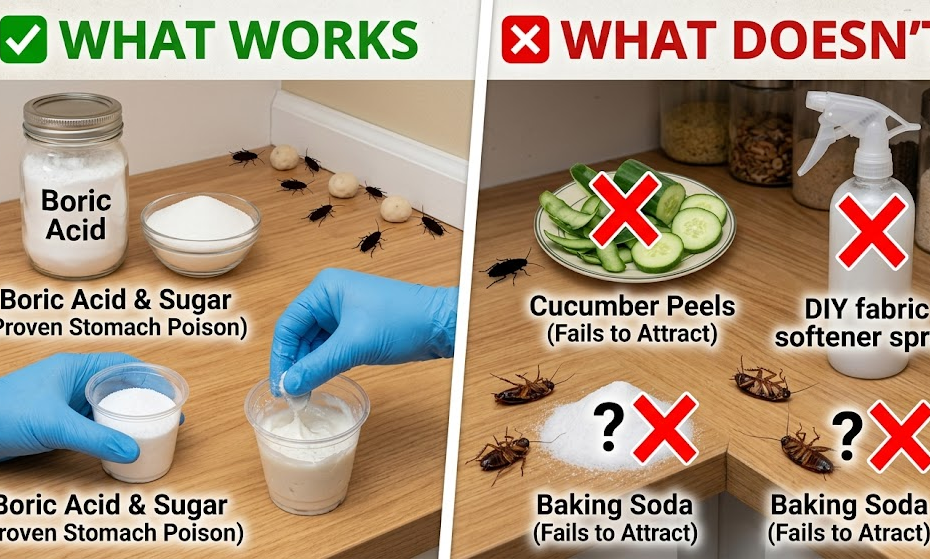
1. The Undisputed Winner: Boric Acid and Sugar Dough
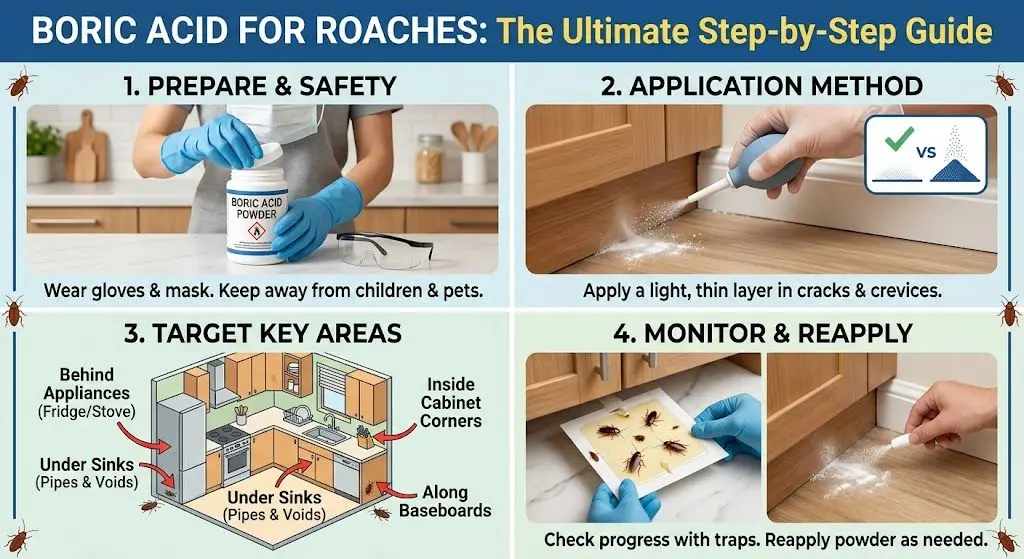
This combination remains the benchmark for homemade pest control. Powdered sugar acts as a potent attractant, while boric acid acts as an internal stomach poison.
- The Recipe:
- 1 part technical-grade Boric Acid powder
- 1 part Powdered (confectioner’s) sugar
- A few drops of water or a splash of condensed milk
- How to Prepare: Mix into a pliable dough. Roll the mixture into marble-sized balls and place them on small squares of wax paper or inside bottle caps.
- Why It Works: Granulated sugar is often too coarse, allowing roaches to pick out sugar crystals while avoiding the poison. Powdered sugar bonds seamlessly with fine boric acid particles, ensuring mandatory ingestion.
2. The Non-Toxic Alternative: Baking Soda and Sweet Onion
If you have curious pets or young children and want to avoid boric acid altogether, baking soda is surprisingly effective.
- The Recipe:
- 1 medium yellow or sweet onion, finely diced
- 2 to 3 tablespoons of pure Baking Soda (Sodium Bicarbonate)
- 1 teaspoon of sugar (optional boost)
- How to Prepare: Toss the minced onions in baking soda until evenly coated. Place shallow dish lids containing the mixture near suspected nesting spots.
- Why It Works: Onions release pungent sulfurous compounds that roaches can detect from across a room. When the insect consumes baking soda, it reacts with the acidic fluids in its digestive tract, generating carbon dioxide gas. Cockroaches lack the anatomical mechanism to burp or release gas pressure, leading to internal rupture.
3. The Dry Desiccant: Diatomaceous Earth & Cocoa Powder
For moisture-free wall voids, food-grade Diatomaceous Earth (DE) mixed with unsweetened cocoa powder creates a dual-action killer.
- The Recipe: 2 parts Food-Grade DE to 1 part pure cocoa powder.
- How to Prepare: Lightly dust the dry powder into baseboard cracks and hollow voids beneath lower cabinetry.
- Why It Works: While the cocoa lures them across the treated barrier, the microscopic, razor-sharp fossilized silica in DE strips away the roach’s waxy exoskeleton, causing rapid dehydration within 48 to 72 hours.
What Absolutely Doesn’t Work (Internet Myths to Avoid)
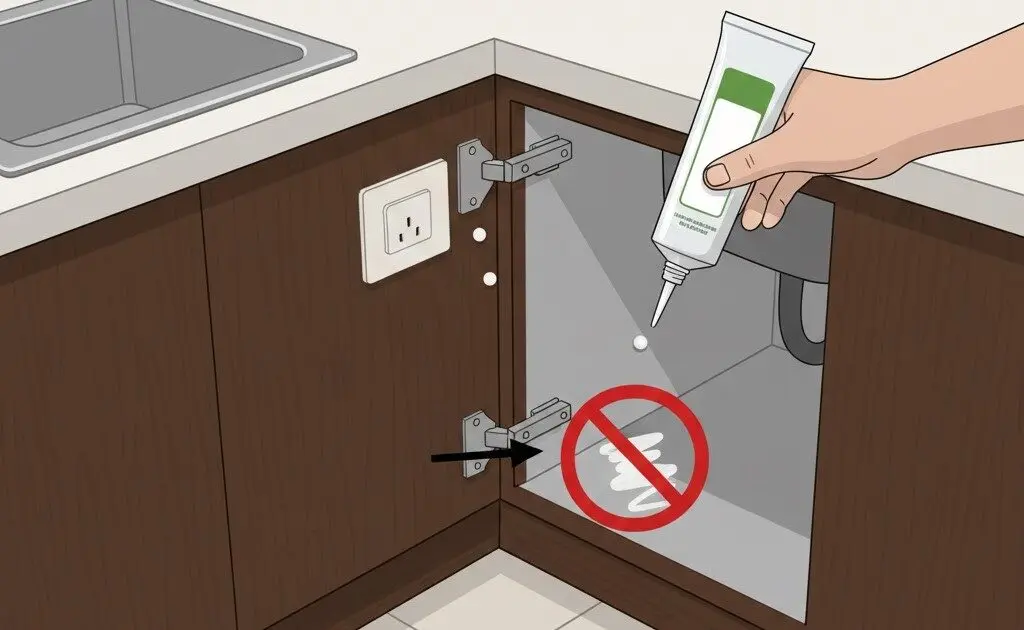
Save your time, groceries, and floor space by avoiding these popular online pest myths:
- Bay Leaves and Cucumber Slices: Internet folklore claims the scent of crushed bay leaves or cucumber peels repels roaches. In reality, cockroaches in urban environments show almost no aversion to these scents. At best, they ignore them; at worst, rotting cucumber slices become an extra food source.
- Plaster of Paris & Flour: The idea that plaster of Paris will harden inside a roach’s stomach is largely ineffective. Modern cockroaches easily detect the chalky, unpalatable texture and bypass it in favor of grease or paper glue.
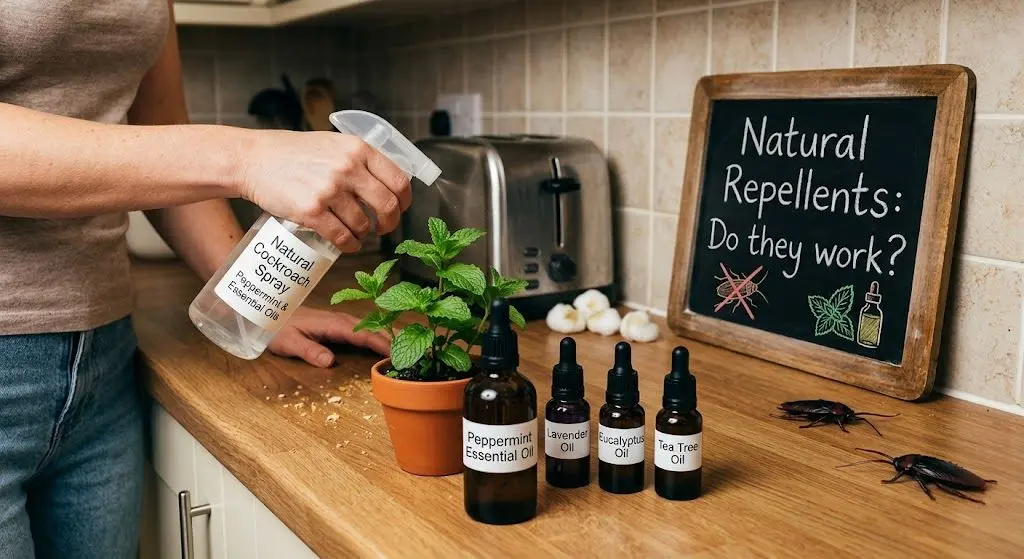
- Essential Oil Sprays (Peppermint, Tea Tree): While concentrated essential oils can kill a cockroach if sprayed directly on its spiracles (breathing pores), they do not work as a room deterrent. Once the volatile oils evaporate (often within 1 to 2 hours), roaches return immediately.
- Fabric Softener Sprays: Diluted fabric softener can suffocate an insect if applied at point-blank range, but it functions purely as an inefficient contact killer. It provides zero colony control and leaves a greasy, dust-attracting residue.
3 Rules for Maximizing DIY Bait Success
- Eliminate Competing Scents: A bait ball cannot compete against an unsealed box of cereal or an unwashed skillet. Wipe down countertops, degrease the stovetop, and seal pantry items in airtight containers before setting out bait.
- Keep Portions Small: Roaches are naturally suspicious of massive food mounds. Place numerous nickel-sized bait stations rather than two or three large piles.
- Refresh Every 14 Days: DIY dough balls dry out, harden, and lose their scent over time. Discard hardened bait balls every two weeks and replace them with fresh batches to maintain interest.
Conclusion: Strategic DIY vs. Long-Term Elimination
Homemade baits can successfully suppress a mild cockroach issue when formulated with the correct science: an irresistible attractant paired with a slow-acting metabolic or mechanical disruptor. Recipes like boric acid dough and baking soda onions punch far above their weight class for low-cost pest control.
However, DIY solutions require vigilance, consistent reapplication, and pristine kitchen sanitation. If you are dealing with an aggressive, widespread German cockroach infestation, pairing homemade baits with professional-grade Insect Growth Regulators (IGRs) or commercial gel baits will ensure the fastest route to a completely roach-free home.
Frequently Asked Questions (FAQ)
1. How long does it take for homemade roach bait to wipe out an infestation?
Most DIY baits take between 7 to 14 days to show significant population reduction. Because these formulas rely on delayed mortality and secondary transmission through the nest, results are gradual rather than immediate.
2. Can I use regular Borax instead of Boric Acid for bait balls?
While Borax (sodium tetraborate) contains boron, it is a harsher, less refined detergent salt with a distinct chemical odor that roaches often detect and avoid. Technical-grade boric acid is virtually odorless, far more potent, and significantly more palatable to pests.
3. Why are cockroaches ignoring the bait I made?
Cockroaches will ignore bait for three main reasons:
- The ratio of poison is too high (making the bait bitter or unpalatable).
- The bait has dried out and hardened.
- There is easier, tastier food available nearby (crumbs, unwashed dishes, or open trash).
4. Is the baking soda and onion bait safe to use around dogs and cats?
While baking soda has low toxicity in small amounts, onions are toxic to both dogs and cats (they contain thiosulfate, which damages red blood cells). If you have curious pets that might ingest the bait, avoid the onion recipe or place the bait inside enclosed, pet-proof containers or behind heavy appliances.
5. Do DIY baits kill cockroach eggs?
No. Cockroach eggs are encased inside an impermeable protective capsule called an ootheca. DIY baits only kill active nymphs and adults that ingest the mixture. To prevent newly hatched eggs from rebuilding the colony, maintain fresh bait stations for at least 4 to 6 weeks.
6. Can I mix commercial insecticides into my DIY bait?
No. Mixing store-bought liquid bug sprays or pyrethroid dusts into food lures typically ruins the bait. Most synthetic insecticides act as natural repellents; roaches will smell the chemicals, refuse to eat the food, and scatter to other areas of your home.
7. What should I do if my homemade boric acid dough hardens?
Once bait balls dry out, roaches cannot easily feed on them. You can briefly revive them by adding a few drops of warm water or honey, but the best approach is to discard the rock-hard balls and roll out a fresh, moist batch.