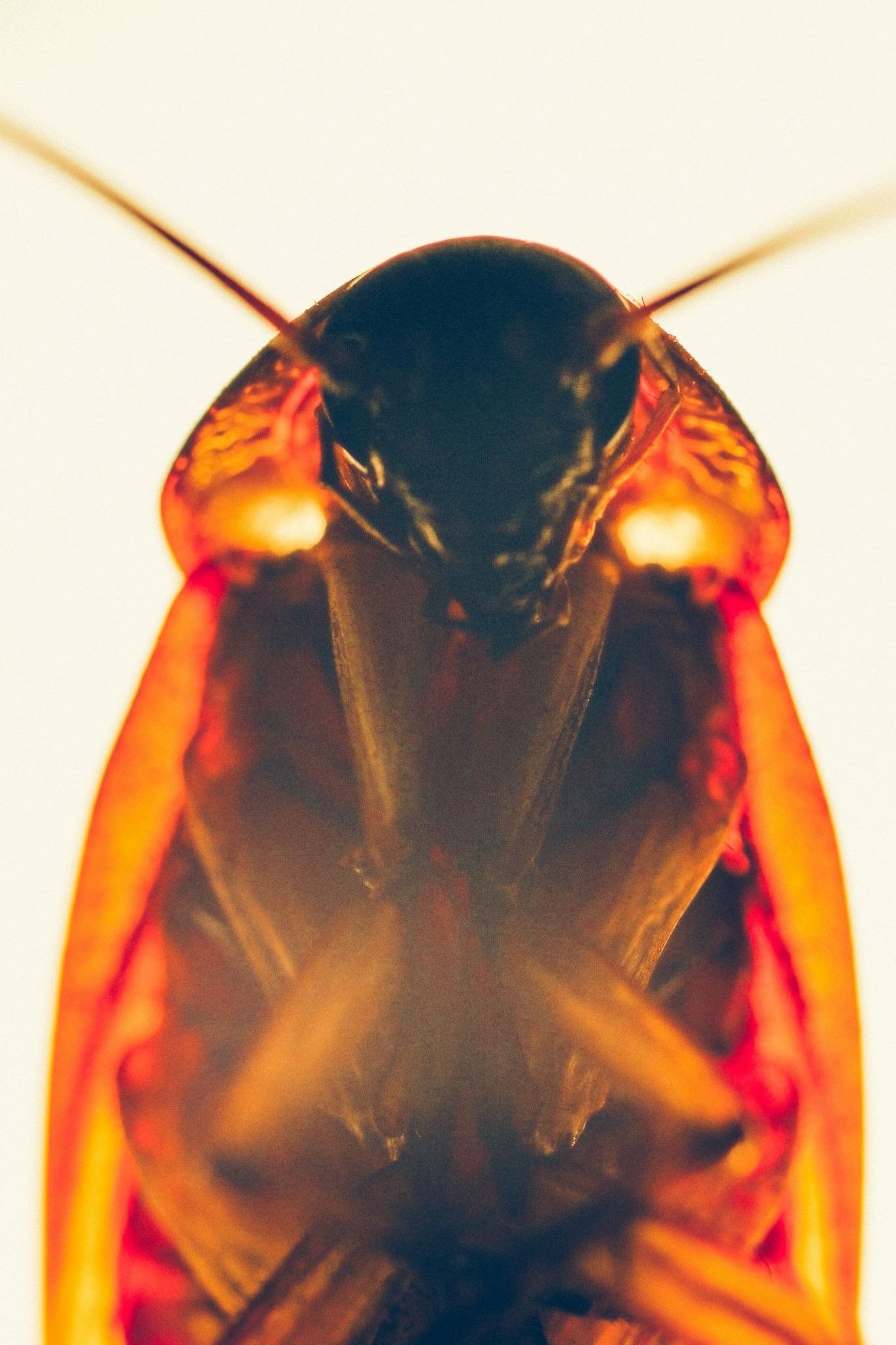
Did you see a photo of an 18-inch cockroach? Learn the truth behind the viral monster roach myth, the largest real species on Earth, and what that bug actually is.
The 18-Inch Cockroach: Myth, Viral Hoax, or Real Threat?
The internet is full of horrifying pest encounters, but few images cause as much dread as photos claiming to show an 18-inch cockroach. The thought of an insect the size of a domestic house cat skittering across your kitchen floor is enough to make anyone want to move out immediately.
Before you start checking your cabinets with a flashlight, here is the good news: an 18-inch cockroach does not exist.
While the natural world is home to massive insects, no living cockroach species grows anywhere near that size. So where did this nightmare rumor come from, what is that creature in the viral photos, and what are the actual largest roaches living on our planet today?
The Viral Hoax: What Is That Giant Bug?
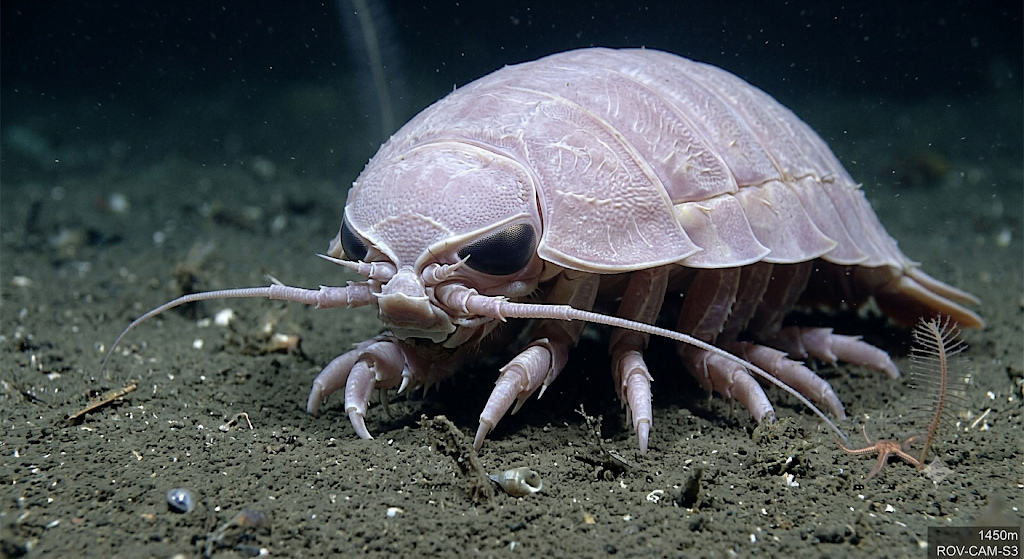
The myth of the foot-and-a-half cockroach usually surfaces through edited images, AI art, or the mistaken identity of a completely different animal: the Giant Isopod (Bathynomus giganteus).
Giant isopods are marine crustaceans closely related to pill bugs and woodlice, living thousands of feet below the surface in cold, deep oceanic waters. Because of deep-sea gigantism, these creatures can grow between 12 to 20 inches in length and weigh over three pounds. With segmented shells, antennae, and pale exoskeletons, a dead or hauled-up isopod held in front of a camera looks strikingly like an enormous, armored cockroach.
Paired with dramatic clickbait headlines, these deep-sea scavengers are routinely mislabeled as “mutant sewer roaches” or “giant foreign roaches,” spreading unnecessary panic across social media feeds.
How Big Do Real Cockroaches Actually Get?
While an 18-inch specimen is biologically impossible in modern insects due to how their respiratory systems work, cockroaches can still reach shocking dimensions. There are two record holders in the insect world:
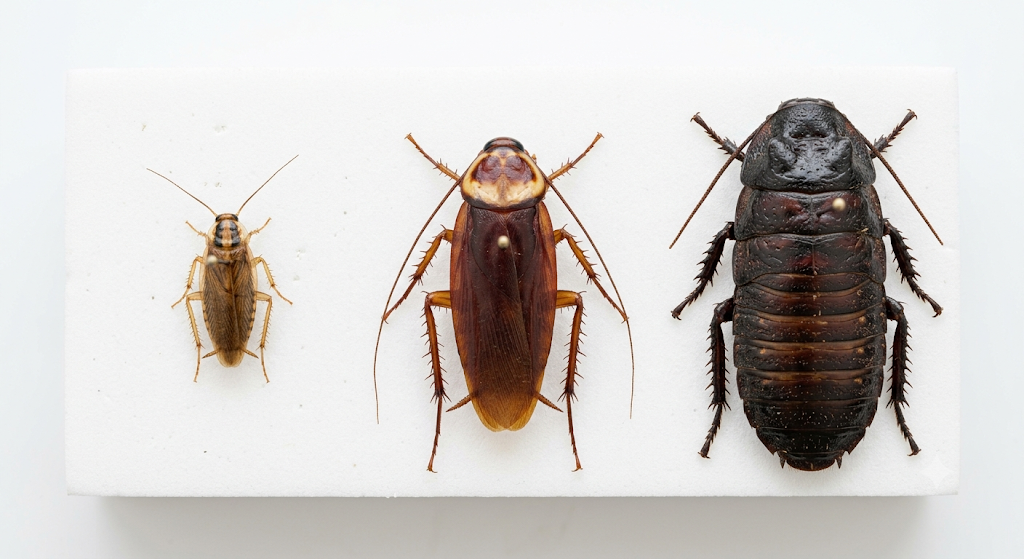
1. The Heaviest: Australian Giant Burrowing Cockroach (Macropanesthia rhinoceros)
Native to northern Queensland, Australia, this species holds the record for body mass.
- Length: Up to 3.1 to 3.5 inches (80 mm).
- Weight: Up to 35 grams—roughly the weight of a golf ball.
- Behavior: Lacking wings completely, these heavyweights live underground, digging burrows up to 3 feet deep to eat dead eucalyptus leaves. Because they do not infest homes and live up to 10 years, they are popular, gentle exotic pets.
2. The Longest Wingspan: Megaloblatta longipennis
Found in the tropical canopies of Peru, Ecuador, and Colombia, this insect takes the prize for overall wingspan and surface area.
- Length: Approximately 3.8 inches long.
- Wingspan: Up to 8 inches (20 cm) from tip to tip.
- Behavior: These giants dwell high in rainforest trees and feed on decaying plant vegetation, never wandering into human kitchens or sewer systems.
Did Giant Cockroaches Ever Exist in History?
Millions of years ago, the earth was indeed populated by giant arthropods. During the Carboniferous period (around 300 to 350 million years ago), atmospheric oxygen levels were roughly 50% higher than they are today. Because insects absorb oxygen passively through tiny pores in their bodies called spiracles, high oxygen levels allowed ancient bugs to grow to monstrous sizes.
While ancient dragonfly ancestors (Meganeura) had wingspans of over 2 feet and ancient millipedes (Arthropleura) reached over 8 feet in length, true cockroaches were not among these towering behemoths. Ancient roach relatives—known as “roachoids”—dominated the forest floors, but fossil records show the largest of them topped out at roughly 3 to 4 inches, not much larger than the tropical species surviving today.
What Is the Largest Roach You Might Find in Your Home?
If you spot an unusually large bug inside your house, you are not dealing with a tropical anomaly or a mutant. In residential areas, the largest species you will realistically encounter is the American cockroach (Periplaneta americana), often called a “Palmetto bug” or “waterbug.”
- Adult Size: 1.5 to 2.1 inches long.
- Color: Shiny, reddish-brown with a light yellow margin around their head shield.
- Habitats: Basements, drains, crawl spaces, and utility tunnels.
While a 2-inch flying insect is alarming, it is far from an 18-inch monster. American roaches primarily live outdoors and enter human dwellings during seasonal heatwaves or heavy rain in search of moisture. Sealing exterior gaps around plumbing pipes and maintaining clean, dry storage areas is generally enough to keep these large scavengers outside where they belong.
Final Verdict: Fear Not the Giant Monster Roach
The idea of an 18-inch cockroach is terrifying, but it belongs strictly in horror films and viral hoaxes. Modern atmospheric oxygen levels and the mechanics of insect respiratory systems place a hard biological limit on how large a terrestrial arthropod can grow.
Even the world’s most formidable living species—such as the heavy Australian Giant Burrowing Cockroach or the broad-winged Megaloblatta longipennis—remain confined to tropical canopies and deep burrows, completely uninterested in human kitchens. If you encounter an unusually large insect scuttling across the floor, you are most likely facing an everyday American cockroach. While startling, standard exclusion techniques, sealing exterior pipe penetrations, and eliminating standing water are more than enough to keep real household pests firmly under control.
Frequently Asked Questions (FAQs)
1. Can a cockroach really grow to 18 inches long?
No. There is no living or fossilized cockroach species known to science that reaches 18 inches. Modern insects rely on passive diffusion through small body openings called spiracles to breathe, which physically limits how large their bodies can become in Earth’s current atmosphere.
2. What is the bug shown in viral “18-inch cockroach” photos?
Most viral images and videos showing a foot-long, armored “monster roach” actually depict a Giant Isopod (Bathynomus giganteus). These are carnivorous, bottom-dwelling marine crustaceans related to pill bugs that live deep in the ocean and can reach up to 20 inches due to deep-sea gigantism.
3. What is the largest living cockroach species on Earth?
By weight, the heaviest is Australia’s Giant Burrowing Cockroach (Macropanesthia rhinoceros), weighing over 30 grams and measuring up to 3.1 inches in length. By wingspan, the champion is Megaloblatta longipennis, native to Central and South America, with a wingspan stretching up to 8 inches.
4. What is the largest cockroach that can invade a house?
The largest common domestic pest species is the American cockroach (Periplaneta americana), which typically measures between 1.5 and 2 inches in length. While large, fast, and capable of flight, they rarely establish breeding colonies indoors in the same dense numbers as smaller German cockroaches.
5. Did giant cockroaches exist in prehistoric times?
While ancient arthropods during the Carboniferous period grew to massive sizes (such as dragonflies with 2-foot wingspans), prehistoric roach ancestors (“roachoids”) rarely exceeded 3 to 4 inches. Even when oxygen levels were at their peak 300 million years ago, roaches never reached anywhere near 18 inches.
6. Do giant cockroach species bite or attack humans?
No. Giant species like the Australian burrowing cockroach or the Central American cave roach are gentle, slow-moving detritivores. They feed exclusively on dead leaves, decaying timber, and organic matter. Their mandibles are adapted for plant matter, and they do not seek out blood or bite people.
7. Why do photos of giant roaches look so convincingly real?
Aside from mislabeled marine isopods, modern viral photos rely heavily on forced perspective (holding an ordinary insect very close to the camera lens while the person sits far behind it) or generative AI imagery designed specifically to provoke shock and clicks.