Introduction
Cockroach control is one of the most important aspects of maintaining a healthy and hygienic home. Cockroaches are among the oldest insects on Earth, surviving for over 300 million years due to their incredible adaptability. Unfortunately, this resilience also makes them one of the most difficult household pests to eliminate. Once they find food, water, and shelter inside a home, they multiply rapidly and become a serious nuisance.
Many homeowners believe that cockroaches only appear in dirty houses. This is a common misconception. Even clean homes can experience a cockroach infestation if there are accessible food sources, moisture, or hidden entry points. Cockroaches are excellent at squeezing through tiny cracks and can enter buildings through drains, plumbing systems, windows, doors, grocery bags, and even cardboard boxes.
Besides being unpleasant to see, cockroaches pose genuine health risks. They contaminate food with bacteria, leave behind droppings and shed skins that trigger allergies, and can spread harmful pathogens throughout kitchens and food preparation areas. For families with children, elderly individuals, or people with asthma, effective cockroach control becomes even more important.
The good news is that successful cockroach control is possible with the right knowledge and a systematic approach. Understanding why cockroaches invade homes, where they hide, and what attracts them allows homeowners to take proactive measures before infestations become severe. Combining sanitation, exclusion, monitoring, and targeted treatments provides the best long-term results.
This comprehensive guide explores every aspect of cockroach control, including identifying different species, understanding their behavior, recognizing infestation signs, using natural and chemical treatments, and preventing future infestations. Whether you have discovered a single cockroach or are dealing with a widespread problem, the strategies explained in this guide will help you regain control of your home.
What Are Cockroaches?
Understanding Cockroaches
Cockroaches belong to the insect order Blattodea. They are nocturnal insects, meaning they are most active at night. During daylight hours, they remain hidden in dark, warm, and humid locations. Their flattened bodies allow them to squeeze into spaces as narrow as a few millimeters, making them extremely difficult to locate.
Scientists have identified over 4,500 species of cockroaches worldwide. Fortunately, only about 30 species commonly infest human structures. Among these, only a handful are responsible for the majority of household infestations.
Cockroaches possess remarkable survival abilities. They can survive for weeks without food and several days without water. Some species can even withstand significant physical injuries that would kill other insects.
Physical Characteristics
Although different species vary in appearance, most cockroaches share several common features:
- Oval-shaped body
- Long antennae
- Six legs equipped with tiny spines
- Flat body structure
- Fast running speed
- Wings (many species have wings but may not fly often)
Adult cockroaches range in size from half an inch to over two inches depending on the species.
Why Cockroaches Are Difficult to Eliminate
Cockroach control becomes challenging because these insects possess several survival advantages.
Rapid Reproduction
Female cockroaches produce egg capsules called oothecae. Depending on the species, one female may produce hundreds of offspring during her lifetime.
Excellent Hiding Ability
Cockroaches spend most of their lives hidden behind:
- Refrigerators
- Dishwashers
- Cabinets
- Electrical outlets
- Wall voids
- Plumbing spaces
- Storage boxes
- Furniture
These hidden locations protect them from predators and many household insecticides.
Nighttime Activity
Because cockroaches are active primarily at night, infestations often become severe before homeowners realize there is a problem.
Resistance to Many Insecticides
Over time, certain cockroach populations have developed resistance to commonly used pesticides. This makes integrated pest management an essential part of effective cockroach control.
Cockroach Life Cycle
Understanding the cockroach life cycle helps explain why infestations grow so quickly.
Cockroaches undergo incomplete metamorphosis, consisting of three stages:
- Egg
- Nymph
- Adult
Egg Stage
Female cockroaches protect their eggs inside a capsule called an ootheca.
Each capsule may contain:
- German Cockroach: 30–40 eggs
- American Cockroach: 14–16 eggs
- Oriental Cockroach: 16 eggs
- Brown-Banded Cockroach: 10–18 eggs
Some species carry the egg capsule until just before hatching, increasing offspring survival.
Nymph Stage
After hatching, young cockroaches are called nymphs.
Nymphs:
- Lack wings
- Are smaller than adults
- Molt several times
- Become darker after each molt
- Gradually develop adult characteristics
Depending on environmental conditions, the nymph stage may last from several weeks to over a year.
Adult Stage
Adult cockroaches can live several months to more than one year depending on the species.
During adulthood they:
- Mate repeatedly
- Produce multiple egg capsules
- Continue spreading bacteria
- Expand infestations rapidly
Warm temperatures, moisture, and abundant food greatly increase reproduction rates.
Why Cockroaches Invade Homes
Cockroaches are not invading homes to annoy people—they are searching for basic survival needs.
Food
Cockroaches consume almost anything, including:
- Bread
- Rice
- Meat
- Fruits
- Vegetables
- Pet food
- Crumbs
- Cooking grease
- Paper
- Glue
- Cardboard
- Soap
- Toothpaste
- Leather
- Dead insects
Their broad diet explains why cockroach control requires excellent sanitation.
Water
Water is often more important than food.
Cockroaches seek moisture from:
- Leaking pipes
- Faucets
- Bathroom sinks
- Condensation
- Wet towels
- Pet water bowls
- Air conditioning units
Eliminating moisture significantly improves cockroach control.
Shelter
Cockroaches prefer warm, dark, enclosed areas where they feel protected.
Common hiding places include:
- Kitchen cabinets
- Behind refrigerators
- Inside walls
- Under sinks
- Ceiling spaces
- Storage rooms
- Basements
- Laundry rooms
Warm Temperatures
Most household cockroach species thrive between 70°F and 90°F (21°C–32°C).
This is why kitchens, bathrooms, boiler rooms, and laundry areas often become infestation hotspots.
Signs of a Cockroach Infestation
Many homeowners discover infestations long after cockroaches have established breeding populations.
Common warning signs include:
Seeing Live Cockroaches
Seeing one cockroach during the day often indicates a larger hidden population.
Droppings
Cockroach droppings resemble:
- Black pepper
- Coffee grounds
- Tiny dark pellets
Large infestations produce significant quantities.
Egg Capsules
Finding empty or full egg cases indicates active breeding.
Musty Odor
Heavy infestations create a strong oily or musty smell due to pheromones.
Shed Skins
Growing nymphs shed their exoskeletons multiple times.
These skins often collect behind appliances and furniture.
Smear Marks
In damp areas, cockroaches leave dark smear marks along walls and surfaces they frequently travel.
Health Risks Associated with Cockroaches
Cockroaches are more than just unpleasant pests—they can affect human health in several ways.
Food Contamination
Cockroaches walk through garbage, sewage, drains, and contaminated surfaces before crawling across kitchen counters and food storage areas.
They may transfer harmful microorganisms onto:
- Food
- Dishes
- Utensils
- Cutting boards
- Countertops
This increases the risk of foodborne illnesses.
Allergies and Asthma
Cockroach saliva, droppings, and shed body parts contain proteins that can trigger allergic reactions.
Exposure may lead to:
- Sneezing
- Runny nose
- Itchy eyes
- Skin irritation
- Persistent coughing
Children living in heavily infested homes are particularly vulnerable to cockroach-related asthma symptoms.
Disease Transmission
While cockroaches are not always direct disease vectors, they can mechanically spread bacteria and other pathogens by moving between unsanitary areas and human living spaces.
Examples of organisms associated with cockroaches include:
- Salmonella
- Escherichia coli (E. coli)
- Staphylococcus
- Streptococcus
Maintaining proper cockroach control helps reduce these health risks.
Common Cockroach Species
Not all cockroaches are the same. Different species have unique behaviors, preferred habitats, reproduction rates, and responses to treatment. Identifying the correct species is one of the most important steps in effective cockroach control because the best elimination strategy depends on the type of cockroach invading your home or business.
Although scientists have identified thousands of cockroach species around the world, only a small number are responsible for most indoor infestations. The six species discussed below are the ones homeowners and pest control professionals encounter most frequently.
German Cockroach (Blattella germanica)
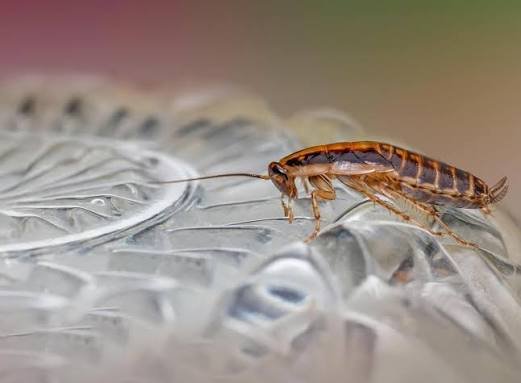
The German cockroach is the most common indoor cockroach species worldwide. It is also considered the most difficult household pest to eliminate because of its rapid reproduction and ability to hide in extremely small spaces.
Identification
German cockroaches are relatively small compared to other species.
Characteristics include:
- Length of approximately ½ to ⅝ inch
- Light brown or tan body
- Two dark parallel stripes behind the head
- Long antennae
- Fast-moving behavior
- Oval-shaped body
Although adults have wings, they rarely fly.
Habitat
German cockroaches prefer warm and humid indoor environments.
Common hiding places include:
- Kitchen cabinets
- Behind refrigerators
- Under sinks
- Dishwashers
- Coffee makers
- Microwave ovens
- Pantry shelves
- Bathroom cabinets
- Laundry rooms
Because they require frequent access to water, they usually stay close to plumbing systems.
Reproduction
German cockroaches reproduce faster than nearly every other household cockroach.
A single female may produce:
- 4–8 egg capsules during her lifetime
- Up to 40 eggs in each capsule
- More than 300 offspring
This rapid reproduction explains why a small infestation can become severe within just a few months.
Why They Are Dangerous
German cockroaches contaminate food, dishes, and food preparation surfaces.
Their droppings and body fragments can trigger:
- Allergies
- Asthma attacks
- Respiratory irritation
Restaurants, hospitals, hotels, apartments, and food-processing facilities often experience German cockroach infestations because these insects thrive where food and moisture are abundant.
Best Control Methods
The most effective German cockroach control includes:
- Gel baits
- Bait stations
- Sticky monitoring traps
- Crack and crevice treatments
- Thorough sanitation
- Moisture reduction
- Professional pest control for severe infestations
American Cockroach (Periplaneta americana)
Despite its name, the American cockroach is believed to have originated in Africa before spreading worldwide through international trade.
It is one of the largest cockroach species commonly found in buildings.
Identification
American cockroaches are significantly larger than German cockroaches.
Features include:
- Length between 1½ and 2 inches
- Reddish-brown color
- Yellowish figure-eight pattern behind the head
- Fully developed wings
- Strong running ability
Adults are capable of short flights, especially in warm climates.
Habitat
American cockroaches prefer warm, damp environments.
They are commonly found in:
- Basements
- Sewer systems
- Utility tunnels
- Boiler rooms
- Commercial buildings
- Crawl spaces
- Garages
- Floor drains
Unlike German cockroaches, they often enter homes from outside.
Food Preferences
American cockroaches consume:
- Food scraps
- Decaying organic matter
- Garbage
- Pet food
- Paper
- Cardboard
- Grease
- Dead insects
Their varied diet contributes to their survival.
Life Cycle
American cockroaches mature more slowly than German cockroaches.
Development from egg to adult may take:
- 6 months
- Up to 18 months under cooler conditions
Adults may live more than one year.
Control Recommendations
Effective American cockroach control focuses on:
- Sealing exterior entry points
- Eliminating standing water
- Cleaning basements
- Treating drains
- Applying perimeter insecticides
- Using bait stations
Oriental Cockroach (Blatta orientalis)
Oriental cockroaches are often called “water bugs” because they prefer cool, damp locations.
They move more slowly than most cockroach species but can survive in very moist environments.
Identification
Characteristics include:
- Dark brown to shiny black body
- About one inch long
- Smooth appearance
- Males have short wings
- Females have almost no visible wings
Neither males nor females fly.
Habitat
Oriental cockroaches prefer:
- Wet basements
- Floor drains
- Crawl spaces
- Utility rooms
- Sewer lines
- Outdoor mulch
- Damp landscaping
- Leaf piles
They usually invade homes after heavy rainfall.
Health Concerns
Because they spend significant time inside sewers and drains, Oriental cockroaches carry numerous bacteria.
They may contaminate:
- Kitchen floors
- Food storage areas
- Countertops
- Pet feeding stations
Prevention
Successful Oriental cockroach control includes:
- Repairing leaks
- Improving drainage
- Removing standing water
- Cleaning drains
- Sealing cracks around foundations
- Reducing outdoor moisture
Brown-Banded Cockroach (Supella longipalpa)
Brown-banded cockroaches are less dependent on moisture than other species.
Unlike German cockroaches, they can survive throughout a home instead of remaining close to kitchens and bathrooms.
Identification
They are recognized by:
- Light brown body
- Two pale horizontal bands across the wings
- Small size (approximately ½ inch)
- Slender appearance
Males fly occasionally, while females generally do not.
Habitat
Brown-banded cockroaches hide in unusual places such as:
- Behind picture frames
- Inside furniture
- Closet shelves
- Bedroom furniture
- Electronic devices
- Ceiling corners
- Bookshelves
Because they do not require constant moisture, infestations often spread throughout entire buildings.
Diet
They feed on:
- Food crumbs
- Paper
- Wallpaper glue
- Fabric
- Starch
- Book bindings
Control
Recommended methods include:
- Vacuuming hiding areas
- Gel baits
- Crack treatments
- Monitoring traps
- Regular cleaning
- Removing clutter
Smokybrown Cockroach (Periplaneta fuliginosa)
Smokybrown cockroaches are common in warm southern climates.
They usually live outdoors but occasionally invade homes.
Identification
Characteristics include:
- Uniform dark mahogany color
- Shiny body
- Length between 1¼ and 1½ inches
- Fully developed wings
- Strong flying ability
Habitat
Preferred environments include:
- Trees
- Roof gutters
- Mulch
- Wood piles
- Attics
- Sheds
- Outdoor storage
During dry weather they often move indoors searching for moisture.
Food Sources
They consume:
- Plant material
- Fruits
- Decaying leaves
- Pet food
- Garbage
Prevention
Smokybrown cockroach control focuses on:
- Cleaning gutters
- Removing leaf piles
- Storing firewood away from buildings
- Installing door sweeps
- Repairing window screens
Wood Cockroach (Parcoblatta Species)
Wood cockroaches differ from most household species because they rarely establish indoor infestations.
Identification
Wood cockroaches have:
- Light brown bodies
- Transparent wings
- Length of approximately one inch
- Strong flying ability
Male wood cockroaches frequently fly toward lights at night.
Habitat
They naturally live in:
- Forests
- Wood piles
- Rotten logs
- Tree bark
- Fallen leaves
Occasionally they wander into homes accidentally.
Are They Dangerous?
Unlike German cockroaches, wood cockroaches generally:
- Do not reproduce indoors
- Do not infest kitchens
- Do not establish colonies inside houses
Most simply die or leave after entering.
Control
Usually no pesticide treatment is necessary.
Simple prevention measures include:
- Repairing window screens
- Sealing gaps around doors
- Reducing outdoor lighting near entrances
- Removing decaying wood close to the house
Comparing the Most Common Cockroach Species
| Species | Size | Preferred Habitat | Reproduction Rate | Can Fly |
|---|---|---|---|---|
| German Cockroach | Small | Kitchens, Bathrooms | Very High | Rarely |
| American Cockroach | Large | Basements, Sewers | Moderate | Yes |
| Oriental Cockroach | Medium | Damp Areas | Moderate | No |
| Brown-Banded Cockroach | Small | Entire Home | High | Males Only |
| Smokybrown Cockroach | Large | Outdoors | Moderate | Yes |
| Wood Cockroach | Medium | Forest Areas | Low Indoors | Yes |
Why Correct Identification Matters
Proper species identification is essential because different cockroaches require different treatment strategies. For example, German cockroaches respond well to gel baits placed near kitchens and bathrooms, while American cockroaches often require exterior treatments and drain management. Oriental cockroaches are closely associated with moisture, making leak repairs and improved drainage critical. Brown-banded cockroaches hide throughout the home, requiring inspection of furniture, closets, and electronics rather than just kitchens.
Understanding which species you are dealing with helps you choose the most effective control method, avoid unnecessary pesticide use, and prevent future infestations. Professional pest control technicians always begin by identifying the species before creating a treatment plan, and homeowners can benefit from following the same approach.
Where Cockroaches Hide Inside Homes
Finding where cockroaches hide is one of the most important steps in successful cockroach control. These insects are experts at staying out of sight, preferring dark, warm, humid, and undisturbed spaces. Because they are nocturnal, most people only see them at night when they leave their hiding places in search of food and water.
Understanding their favorite hiding spots allows homeowners to inspect problem areas thoroughly and apply treatments where they will be most effective. Instead of spraying random locations, targeting their nesting sites greatly improves the success of any cockroach control program.
Why Cockroaches Prefer Hidden Areas
Cockroaches naturally avoid open spaces because they are vulnerable to predators and environmental changes. Their flat bodies allow them to squeeze through gaps as small as a few millimeters, making tiny cracks and crevices ideal shelters.
They look for locations that provide:
- Warm temperatures
- High humidity
- Easy access to food
- Nearby water sources
- Minimal human disturbance
- Dark environments
These conditions are commonly found inside kitchens, bathrooms, utility rooms, and basements.
Kitchen Hiding Places
The kitchen is the number one location for household cockroach infestations because it provides everything cockroaches need to survive: food, water, warmth, and shelter.
Behind the Refrigerator
Refrigerators generate heat and often collect dust, crumbs, and moisture beneath and behind them. This creates an ideal environment for cockroaches.
Inspect:
- Compressor area
- Drip tray
- Floor beneath the appliance
- Wall behind the refrigerator
Under the Sink
Kitchen sinks often have small leaks that provide a constant water source. The cabinet beneath the sink is usually dark and rarely disturbed.
Check:
- Plumbing connections
- Pipe openings
- Cabinet corners
- Moist areas
Inside Cabinets
Food crumbs, spilled ingredients, and cardboard packaging attract cockroaches.
Inspect:
- Pantry shelves
- Spice cabinets
- Dry food storage
- Lower cabinets
Pay special attention to cereal boxes, flour bags, rice containers, and pet food.
Behind Dishwashers
Dishwashers provide:
- Warmth
- Moisture
- Food residue
The space behind and underneath dishwashers is often one of the first places pest control professionals inspect.
Inside Small Appliances
Cockroaches frequently hide inside appliances because motors generate warmth.
Common appliances include:
- Coffee makers
- Microwaves
- Toasters
- Air fryers
- Rice cookers
Regular cleaning helps prevent infestations.
Bathroom Hiding Places
Bathrooms provide abundant moisture, making them another favorite location for cockroaches.
Under Bathroom Sinks
Inspect:
- Pipe openings
- Vanity cabinets
- Water supply lines
- Drain connections
Repairing leaks reduces the likelihood of infestation.
Around Toilets
Cockroaches sometimes enter through plumbing systems.
Look behind:
- Toilet tanks
- Toilet bases
- Water supply lines
Bathtubs and Showers
Inspect:
- Floor drains
- Shower drains
- Overflow openings
- Caulking gaps
Keeping these areas dry discourages cockroaches.
Ventilation Areas
Bathroom exhaust fans and vents may provide entry points from wall voids or roof spaces.
Inspect for:
- Loose vent covers
- Cracks
- Gaps around ducts
Living Room Hiding Places
Many homeowners overlook living rooms when searching for cockroaches.
However, several species, especially Brown-Banded Cockroaches, frequently live in these areas.
Inspect:
- Behind televisions
- Inside gaming consoles
- Entertainment centers
- Behind picture frames
- Bookshelves
- Furniture cushions
- Curtains
- Electrical outlets
Electronics produce heat that attracts cockroaches.
Bedroom Hiding Places
Although bedrooms usually have fewer food sources, cockroaches may still hide there.
Common locations include:
- Closets
- Dressers
- Bed frames
- Nightstands
- Electronics
- Laundry baskets
Brown-Banded Cockroaches commonly infest bedrooms.
Basement Hiding Places
Basements are ideal because they are cool, humid, and often cluttered.
Inspect:
- Storage boxes
- Water heaters
- Utility pipes
- Floor drains
- Furnace rooms
- Wooden shelving
- Cardboard boxes
Reducing clutter significantly improves inspection results.
Garage Hiding Places
Garages often contain:
- Cardboard
- Firewood
- Pet food
- Gardening supplies
These provide shelter for outdoor cockroach species.
Check:
- Storage shelves
- Tool cabinets
- Around garage doors
- Wall cracks
- Ceiling corners
Laundry Room Hiding Places
Laundry rooms combine warmth and moisture.
Inspect:
- Washing machines
- Dryers
- Water connections
- Utility sinks
- Detergent storage
- Floor drains
Utility Rooms
Water heaters, furnaces, and plumbing systems make utility rooms attractive to cockroaches.
Inspect:
- Water heaters
- HVAC systems
- Electrical panels
- Pipe penetrations
- Utility closets
Attics
Certain species like Smokybrown Cockroaches often infest attics.
Inspect:
- Roof vents
- Insulation
- Stored boxes
- Roof leaks
- Around chimneys
Wall Voids
Cockroaches frequently travel inside walls using plumbing and electrical openings.
Warning signs include:
- Rustling sounds
- Droppings near outlets
- Live cockroaches emerging from cracks
Never ignore wall void infestations because they allow rapid spread throughout the home.
Ceiling Spaces
False ceilings and suspended ceilings provide excellent hiding locations.
Inspect:
- Light fixtures
- Ceiling vents
- Air conditioning ducts
Signs of a Cockroach Infestation
Cockroach infestations often develop unnoticed because these insects remain hidden during daylight hours. Learning to recognize the warning signs can help homeowners act before the problem becomes severe.
Live Cockroaches
The most obvious sign is seeing live cockroaches.
If you notice:
- Cockroaches during the day
- Multiple cockroaches at night
- Cockroaches running when lights are turned on
the infestation is likely well established.
Droppings
Cockroach droppings resemble:
- Ground black pepper
- Coffee grounds
- Tiny dark pellets
Larger species leave cylindrical droppings, while smaller species leave fine specks.
Droppings commonly appear:
- Inside cabinets
- Under sinks
- Behind appliances
- Along walls
Egg Capsules
Cockroach egg cases (oothecae) indicate active breeding.
They may be found:
- Behind furniture
- Under appliances
- Inside cabinets
- In storage boxes
Each capsule may contain dozens of eggs.
Shed Skins
Cockroach nymphs molt several times before reaching adulthood.
Their discarded skins accumulate in:
- Hidden corners
- Cabinets
- Wall voids
- Appliance spaces
Musty Odor
Large infestations produce an unpleasant smell.
Many people describe it as:
- Musty
- Oily
- Moldy
- Stale
The odor becomes stronger as the population grows.
Smear Marks
In damp locations cockroaches leave brown smear marks where they frequently travel.
Inspect:
- Walls
- Countertops
- Baseboards
- Drain areas
Damage to Food Packaging
Cockroaches chew through:
- Cardboard
- Paper
- Thin plastic
Damaged food packages often indicate infestation.
Why Cockroaches Enter Homes
Cockroaches do not invade homes randomly. They enter because the environment provides the resources they need to survive.
Food Availability
Common food sources include:
- Crumbs
- Dirty dishes
- Pet food
- Garbage
- Grease buildup
- Open food containers
- Fruits left on counters
Even tiny food particles can support large cockroach populations.
Water Sources
Water is essential for cockroach survival.
Common sources include:
- Leaking faucets
- Pipe leaks
- Condensation
- Wet sponges
- Pet water bowls
- Air conditioner drainage
Fixing leaks is one of the simplest and most effective preventive measures.
Shelter
Cockroaches seek places that offer safety and darkness.
Common shelters include:
- Cracks
- Wall voids
- Cabinets
- Clutter
- Cardboard boxes
- Storage areas
Reducing clutter removes many hiding places.
Common Entry Points
Cockroaches enter homes through surprisingly small openings.
Inspect these areas regularly:
- Door gaps
- Window gaps
- Plumbing penetrations
- Utility line openings
- Foundation cracks
- Roof vents
- Crawl spaces
- Garage doors
- Air conditioning lines
- Sewer connections
Installing weather stripping and sealing cracks with caulk can significantly reduce entry.
Seasonal Cockroach Activity
Cockroach behavior changes throughout the year depending on temperature and humidity.
Spring
Warmer weather encourages breeding and increased activity. Outdoor species begin searching for food and may enter homes through open windows and doors.
Summer
Cockroach populations grow rapidly due to warm temperatures and abundant moisture. Kitchens, bathrooms, and outdoor garbage areas become hotspots.
Autumn
As temperatures begin to drop, cockroaches look for warm indoor shelters. This is a common time for infestations to start.
Winter
Most outdoor cockroaches seek heated buildings. Indoor species continue breeding if food and moisture are available.
How to Inspect Your Home Like a Professional
Professional pest control technicians follow a systematic inspection process rather than searching randomly. You can use the same approach.
Step 1: Inspect at Night
Cockroaches are most active after dark. Use a flashlight and check kitchens, bathrooms, and utility rooms one to two hours after lights have been off.
Step 2: Check Moisture Sources
Look for leaking pipes, dripping faucets, condensation, and damp cabinets. Repair any water issues immediately.
Step 3: Search Warm Appliances
Pull out the refrigerator, dishwasher, stove, and washing machine. Inspect underneath and behind each appliance for droppings, egg cases, or live insects.
Step 4: Examine Food Storage Areas
Check pantries, pet food containers, and cabinets for crumbs, damaged packaging, and signs of activity.
Step 5: Monitor With Sticky Traps
Place sticky traps behind appliances, under sinks, and along walls. These traps help identify where cockroaches are most active and allow you to monitor whether treatments are working.
Step 6: Seal Entry Points
After locating cracks, gaps around pipes, and openings under doors or windows, seal them with caulk, weather stripping, or appropriate fillers to reduce future invasions.
Natural Cockroach Control Methods
Natural cockroach control is often the first approach homeowners try because it is affordable, easy to implement, and generally safer for households with children and pets when used appropriately. While natural methods may not eliminate a severe infestation on their own, they can significantly reduce cockroach activity and work well as part of a broader Integrated Pest Management (IPM) strategy.
The key to success is consistency. No single remedy provides an instant solution. Instead, combining sanitation, moisture control, exclusion, and targeted natural treatments offers the best long-term results.
Keep Your Home Clean
Cleanliness is the foundation of effective cockroach control. Even small amounts of food residue can support a cockroach population.
Daily cleaning habits include:
- Wiping kitchen countertops after every meal
- Sweeping and vacuuming floors regularly
- Cleaning under appliances
- Washing dirty dishes promptly
- Emptying trash bins daily
- Cleaning grease from stovetops and range hoods
- Removing food crumbs from dining areas
A clean environment removes many of the resources cockroaches depend on.
Eliminate Moisture
Water is often more important to cockroaches than food. Reducing moisture can make your home much less attractive.
Focus on:
- Repairing leaking faucets
- Fixing damaged pipes
- Drying sinks before bedtime
- Ventilating bathrooms
- Using a dehumidifier in damp areas
- Emptying standing water from trays and containers
Store Food Properly
Food should be kept in airtight containers whenever possible.
Good storage practices include:
- Sealing cereal, flour, sugar, and rice
- Keeping pet food in sealed containers
- Avoiding food left on countertops overnight
- Cleaning spills immediately
- Refrigerating leftovers promptly
Remove Clutter
Cardboard boxes, newspapers, and unused items provide excellent hiding places.
Reduce clutter by:
- Recycling cardboard regularly
- Organizing storage areas
- Keeping closets tidy
- Avoiding long-term storage of paper bags
- Using plastic storage bins with secure lids
Homemade Cockroach Remedies
Many natural household products are commonly used to discourage or reduce cockroach activity. While scientific evidence varies, these methods may help when combined with good sanitation.
Baking Soda and Sugar
A common home remedy is a mixture of baking soda and sugar.
How it works:
- Sugar attracts cockroaches.
- Baking soda reacts inside their digestive system after ingestion.
To use:
- Mix equal parts baking soda and sugar.
- Place the mixture in shallow containers.
- Position them behind appliances, under sinks, and near known hiding places.
- Replace the mixture every few days.
Boric Acid
Boric acid is one of the most widely used products for cockroach control. It is effective when applied correctly but should be kept away from children and pets.
Apply a thin layer:
- Behind refrigerators
- Under stoves
- Along baseboards
- Inside wall voids
- Under sinks
Avoid applying thick piles, as cockroaches may simply avoid them.
Diatomaceous Earth
Food-grade diatomaceous earth is made from fossilized algae. It damages the waxy outer layer of cockroaches, causing them to dehydrate.
Application tips:
- Use only food-grade products.
- Apply a light dusting in dry areas.
- Keep it dry, as moisture reduces effectiveness.
- Reapply after cleaning if necessary.
Bay Leaves
Some homeowners place crushed bay leaves in cabinets and pantries because their strong scent may discourage cockroach activity. While this is not a proven control method, it can be used alongside more effective strategies.
Cucumber Peels
Fresh cucumber peels are sometimes used as a traditional home remedy. Scientific evidence supporting their effectiveness is limited, but they may be included as part of a broader natural prevention routine.
Essential Oils
Certain essential oils have shown repellent properties in laboratory studies.
Common choices include:
- Peppermint oil
- Eucalyptus oil
- Tea tree oil
- Cedarwood oil
- Lavender oil
A simple spray can be made by mixing a few drops of essential oil with water in a spray bottle. Apply around entry points and areas where cockroaches are commonly seen. Keep in mind that these sprays are generally repellents rather than complete elimination methods.
Chemical Cockroach Control
For moderate to severe infestations, chemical treatments are often necessary. Modern products are more targeted than older broad-spectrum sprays and, when used according to label directions, can be highly effective.
Cockroach Gel Baits
Gel baits are considered one of the most effective tools for indoor cockroach control.
How Gel Baits Work
Cockroaches eat the bait and return to their hiding places. Other cockroaches then consume contaminated droppings or dead individuals, spreading the active ingredient throughout the colony.
This secondary transfer helps reduce entire populations rather than only the insects that directly consume the bait.
Where to Apply
Place small amounts of gel:
- Behind refrigerators
- Under sinks
- Inside cabinet corners
- Around plumbing openings
- Behind dishwashers
- Near wall cracks
Avoid placing gel on exposed food preparation surfaces.
Bait Stations
Bait stations contain attractants and insecticides enclosed in a protective housing.
Advantages include:
- Easy to use
- Reduced exposure compared with open bait
- Long-lasting effectiveness
- Suitable for kitchens and utility rooms
Replace bait stations according to the manufacturer’s recommendations.
Sticky Traps
Sticky traps do not eliminate infestations by themselves, but they are valuable monitoring tools.
Benefits include:
- Detecting infestation levels
- Identifying travel routes
- Monitoring treatment success
- Confirming whether cockroach activity is increasing or decreasing
Place traps:
- Behind appliances
- Along walls
- Under sinks
- Inside cabinets
Insecticide Sprays
Sprays can kill cockroaches on contact and may leave residual protection on treated surfaces.
However, they have limitations:
- They may not reach hidden nests.
- Some populations have developed resistance.
- Excessive spraying can cause cockroaches to avoid treated areas, making control more difficult.
For best results, use sprays only as directed and combine them with baits and sanitation.
Insect Growth Regulators (IGRs)
Insect Growth Regulators interfere with the development and reproduction of cockroaches rather than killing them immediately.
Benefits include:
- Preventing nymphs from becoming reproductive adults
- Reducing long-term population growth
- Working well alongside gel baits and other treatments
IGRs are commonly used by professional pest management services as part of integrated control programs.
Integrated Pest Management (IPM)
Integrated Pest Management (IPM) is a long-term strategy that combines multiple control methods instead of relying on a single product.
The main principles of IPM are:
- Inspection – Identify the species, locate hiding places, and assess the severity of the infestation.
- Sanitation – Remove food, water, and clutter that support cockroach populations.
- Exclusion – Seal cracks, repair screens, and close entry points.
- Monitoring – Use sticky traps to track activity over time.
- Targeted Treatments – Apply baits, dusts, or other products only where needed.
- Evaluation – Reinspect regularly and adjust the treatment plan if necessary.
This approach minimizes unnecessary pesticide use while improving long-term control.
Professional Cockroach Control
Some infestations are too large or widespread for do-it-yourself methods. Professional pest control services have access to specialized products, equipment, and training that can provide faster and more comprehensive results.
A professional treatment typically includes:
- A detailed inspection
- Identification of the cockroach species
- Mapping of infestation hotspots
- Application of gel baits, dusts, and IGRs where appropriate
- Recommendations for sanitation and exclusion
- Follow-up visits to monitor progress
Hiring a licensed pest management professional is especially advisable when infestations persist despite repeated home treatments or when cockroaches are present in apartments, restaurants, healthcare facilities, or commercial kitchens.
Step-by-Step Cockroach Elimination Plan
If you are dealing with an infestation, the following plan provides a practical roadmap.
Step 1: Inspect the Home
Search kitchens, bathrooms, utility rooms, and other likely hiding places. Use a flashlight and inspect at night if possible.
Step 2: Clean Thoroughly
Remove crumbs, grease, spills, and food waste. Wash dishes promptly and empty trash regularly.
Step 3: Eliminate Water Sources
Repair leaks, dry sinks overnight, and improve ventilation in damp areas.
Step 4: Reduce Clutter
Dispose of unnecessary cardboard, newspapers, and other materials that provide shelter.
Step 5: Seal Entry Points
Use caulk, weather stripping, or other appropriate materials to close gaps around doors, windows, pipes, and utility lines.
Step 6: Place Gel Baits
Apply small amounts in hidden areas where cockroaches are active. Avoid contaminating the bait with cleaning products or sprays.
Step 7: Install Monitoring Traps
Place sticky traps behind appliances and along walls to measure activity and identify problem areas.
Step 8: Reinspect Weekly
Check traps, refresh baits if needed, and continue improving sanitation. Consistent monitoring helps ensure the infestation is declining.
Step 9: Seek Professional Help if Needed
If cockroach activity continues despite several weeks of careful treatment, contact a licensed pest control provider for a comprehensive inspection and customized treatment plan.
Preventing Future Cockroach Infestations
Eliminating an existing infestation is only half of the battle. Long-term cockroach control depends on preventing future infestations by making your home an environment where cockroaches cannot easily survive. Prevention requires consistent cleaning, routine inspections, moisture management, and sealing potential entry points. When these practices become part of your regular household routine, the chances of another infestation decrease significantly.
Develop a Daily Cleaning Routine
Cockroaches thrive in homes where food particles are readily available. Even tiny crumbs left behind after meals can provide enough nourishment for an entire colony.
A daily cleaning routine should include:
- Wiping countertops after every meal
- Sweeping and vacuuming kitchen floors
- Washing dishes before bedtime
- Cleaning grease from stovetops
- Emptying indoor trash bins
- Cleaning under dining tables
- Removing pet food after feeding
Keeping food preparation areas clean removes one of the primary attractions for cockroaches.
Weekly Deep Cleaning
In addition to daily maintenance, schedule a weekly deep cleaning session.
Focus on:
- Pulling out appliances
- Cleaning behind refrigerators
- Vacuuming under furniture
- Washing trash cans
- Cleaning pantry shelves
- Removing expired food
- Sanitizing cabinets
Many cockroach infestations begin in areas that are rarely cleaned.
Proper Garbage Management
Garbage is one of the strongest attractants for cockroaches.
Follow these best practices:
- Use trash cans with tight-fitting lids.
- Empty indoor garbage every day.
- Wash garbage bins regularly.
- Keep outdoor bins away from doors whenever possible.
- Clean food residue from recycling containers before storing them.
Food Storage Best Practices
Proper food storage prevents cockroaches from accessing easy meals.
Store the following items in airtight containers:
- Flour
- Rice
- Sugar
- Pasta
- Breakfast cereal
- Pet food
- Bird seed
Avoid leaving fruit or uncovered food on kitchen counters overnight.
Moisture Control
Water is essential for cockroach survival. Even a slow drip from a faucet can support a population.
Regularly inspect for:
- Leaking faucets
- Damaged pipes
- Water heater leaks
- Air conditioner condensation
- Roof leaks
- Basement moisture
Using exhaust fans in kitchens and bathrooms helps reduce humidity.
Seal Entry Points
Cockroaches often enter through surprisingly small openings.
Inspect and seal:
- Gaps around plumbing pipes
- Cracks in foundations
- Window frames
- Door thresholds
- Utility line penetrations
- Cable entry points
- Air conditioning openings
High-quality silicone caulk works well for many small gaps.
Outdoor Cockroach Prevention
Many infestations begin outside the home before cockroaches move indoors.
Maintaining the exterior of your property is therefore an important part of long-term cockroach control.
Yard Maintenance
Keep vegetation trimmed away from exterior walls.
Remove:
- Leaf piles
- Grass clippings
- Firewood stacked against the house
- Dead tree branches
- Excess mulch near foundations
Outdoor debris provides shelter for many cockroach species.
Manage Outdoor Lighting
Some flying cockroach species are attracted to bright lights at night.
To reduce attraction:
- Turn off unnecessary exterior lights.
- Use motion-activated lighting where practical.
- Keep doors closed during evening hours when lights are on.
Gutter Maintenance
Clogged gutters collect moisture and organic material, creating excellent habitats for cockroaches.
Clean gutters regularly to prevent standing water and debris buildup.
Drainage Improvements
Poor drainage encourages cockroach activity.
Ensure that:
- Downspouts direct water away from the foundation.
- Low areas in the yard do not collect standing water.
- Outdoor faucets are not leaking.
Cockroach Control for Apartments
Apartment buildings present unique challenges because cockroaches can move between units through walls, plumbing systems, and shared utility spaces.
Residents should:
- Report infestations promptly to property management.
- Keep kitchens and bathrooms clean.
- Seal cracks around pipes and electrical outlets where possible.
- Avoid leaving trash inside overnight.
- Use monitoring traps to detect activity early.
Building-wide treatment is often necessary because treating a single apartment may not eliminate the source of the infestation.
Cockroach Prevention in Restaurants and Commercial Kitchens
Restaurants provide abundant food, moisture, and warmth, making them highly attractive to cockroaches.
Commercial kitchens should implement strict sanitation and pest prevention programs.
Important practices include:
- Cleaning food preparation surfaces throughout the day.
- Removing grease buildup from equipment.
- Inspecting deliveries for signs of pests.
- Storing ingredients off the floor.
- Emptying garbage frequently.
- Maintaining floor drains.
- Scheduling routine professional pest inspections.
A strong sanitation program is essential for protecting both customers and business reputation.
Common Mistakes to Avoid
Many homeowners unknowingly make mistakes that allow cockroach infestations to continue.
Avoid the following:
Relying Only on Sprays
Sprays may kill visible cockroaches but often fail to reach hidden nests.
Ignoring Small Infestations
Seeing only one or two cockroaches does not necessarily mean the problem is minor. Early action is much easier than dealing with a large infestation later.
Leaving Food Out Overnight
Even small crumbs or uncovered pet food can sustain cockroach populations.
Forgetting Moisture Problems
Leaking pipes, damp cabinets, and standing water should always be addressed as part of a control plan.
Applying Too Much Pesticide
Using excessive amounts of insecticide does not improve results and may cause cockroaches to avoid treated areas.
Skipping Follow-Up Inspections
Successful cockroach control requires ongoing monitoring. Continue checking traps and inspecting common hiding places even after activity appears to stop.
Frequently Asked Questions (FAQs)
1. Why do I see cockroaches only at night?
Cockroaches are nocturnal insects that usually leave their hiding places after dark to search for food and water.
2. Does seeing one cockroach mean I have an infestation?
Not always, but it can indicate that more cockroaches are hidden nearby. A thorough inspection is recommended.
3. Can cockroaches survive without food?
Yes. Depending on the species and environmental conditions, they can survive for several weeks without food if water is available.
4. Can cockroaches survive without water?
They generally survive only a few days to about a week without water, making moisture control an important prevention strategy.
5. Are cockroaches dangerous?
They can contaminate food, spread bacteria mechanically, and contribute to allergies and asthma through their droppings, saliva, and shed skins.
6. Which cockroach species is most common indoors?
The German cockroach is the species most frequently found inside homes, apartments, restaurants, and other buildings.
7. What attracts cockroaches the most?
Food crumbs, grease, garbage, moisture, clutter, and warm hiding places are among the strongest attractants.
8. Do cockroaches bite people?
Bites are uncommon and usually occur only under unusual circumstances, such as severe infestations with limited food sources.
9. Can cockroaches fly?
Some species can fly or glide short distances, while others rarely or never fly.
10. Is boric acid effective?
When applied correctly in thin layers and used safely according to label instructions, boric acid can be an effective component of a cockroach control program.
11. Are natural remedies enough?
Natural methods may help with small problems, but moderate or severe infestations often require bait products or professional treatment.
12. How long does it take to eliminate an infestation?
The timeline depends on the species, infestation size, and treatment methods. Some infestations improve within weeks, while larger problems may require ongoing management.
13. Should I use sprays and gel baits together?
Sprays applied near bait placements can reduce bait effectiveness. Follow product instructions carefully and avoid contaminating bait with insecticides.
14. Why do cockroaches keep returning?
Recurring infestations often result from unsealed entry points, hidden breeding sites, neighboring infestations, or continued access to food and water.
15. Can cockroaches enter through drains?
Yes. Certain species may travel through sewer systems and plumbing networks, especially if drains are not properly maintained.
16. What should I do before a professional treatment?
Follow the pest control company’s preparation instructions, which may include cleaning specific areas, reducing clutter, and providing access to appliances and cabinets.
17. Are sticky traps enough to solve an infestation?
Sticky traps are useful for monitoring but generally do not eliminate established infestations on their own.
18. How often should I inspect my home?
A quick monthly inspection and a more detailed seasonal inspection can help identify problems before they become severe.
19. Can apartment neighbors affect my infestation?
Yes. Cockroaches can travel between units through walls, plumbing, and shared utility spaces.
20. What is the best long-term strategy?
Combining sanitation, moisture control, exclusion, monitoring, and targeted treatments through an Integrated Pest Management (IPM) approach provides the most reliable long-term results.
Conclusion
Cockroach control is most successful when approached as an ongoing process rather than a one-time treatment. Understanding cockroach biology, identifying the species involved, locating hiding places, and recognizing the signs of infestation are the first steps toward effective management. Consistent cleaning, proper food storage, moisture reduction, and sealing entry points help prevent infestations before they begin, while targeted tools such as gel baits, monitoring traps, and, when necessary, professional pest management services can eliminate established populations.
By combining prevention with timely intervention, homeowners and businesses can greatly reduce the likelihood of recurring infestations. Regular inspections, prompt repairs of leaks and structural gaps, and good sanitation habits not only discourage cockroaches but also contribute to a cleaner, healthier indoor environment. A proactive, integrated approach remains the most effective way to keep cockroaches under control and protect your home or workplace over the long term.