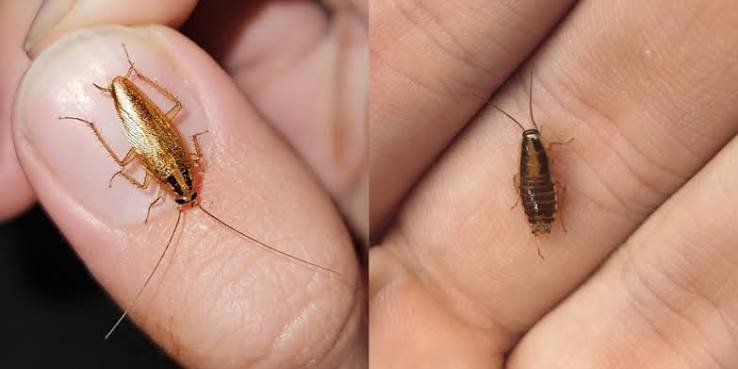
American Cockroach: The Ultimate Guide to Identification, Prevention, Treatment, and Professional Control
The American cockroach (Periplaneta americana) is one of the largest and most recognizable cockroach species commonly found in homes and commercial buildings. Despite its name, it is believed to have originated in tropical regions before spreading worldwide through trade and transportation. Today, it is a common structural pest in warm and humid climates, where it can survive both outdoors and indoors.
American cockroaches are often called palmetto bugs or water bugs in some regions, although these names may also refer to other insects. Their large size and ability to move quickly can make them alarming to homeowners. While they are less likely than German cockroaches to establish dense indoor populations, they can still become a serious pest problem when conditions are favorable.
These cockroaches prefer warm, moist environments such as basements, crawl spaces, utility rooms, boiler rooms, sewers, and drains. They often enter homes through plumbing systems, foundation cracks, gaps beneath doors, and other structural openings in search of food, water, or shelter.
Because American cockroaches are primarily nocturnal, many infestations remain unnoticed until homeowners begin seeing adults at night or discover signs such as droppings, shed skins, or egg cases. Early identification and preventive maintenance are important for reducing the likelihood of a long-term infestation.
This comprehensive guide covers everything you need to know about American cockroaches, including identification, life cycle, behavior, health concerns, inspection methods, treatment options, prevention strategies, and professional pest management.
What Is an American Cockroach?
The American cockroach is a large species of cockroach belonging to the order Blattodea. It is known for its reddish-brown body, long antennae, and fully developed wings. Although it is capable of short gliding flights in some situations, it most commonly escapes danger by running rapidly.
Unlike German cockroaches, which spend almost their entire lives indoors, American cockroaches are often associated with outdoor environments. However, they readily enter buildings where moisture, warmth, and food are available.
Scientific Classification
- Scientific Name: Periplaneta americana
- Order: Blattodea
- Family: Blattidae
- Common Name: American Cockroach
Understanding the scientific classification helps distinguish this species from other common household cockroaches.
Physical Characteristics
American cockroaches are among the largest cockroach species found inside buildings.
Size
Adult American cockroaches typically measure:
- 1½ to 2 inches (38–50 mm) in length.
Their large size makes them much easier to identify than smaller species.
Color
Most adults are:
- Reddish-brown
- Mahogany brown
- Dark brown
A lighter yellow or tan marking is usually visible behind the head, creating a distinctive pattern.
Body Shape
American cockroaches have:
- Flattened oval bodies
- Long antennae
- Six strong legs
- Spiny leg segments that help them climb rough surfaces
Their flat bodies allow them to squeeze into narrow cracks and crevices despite their size.
Wings and Flying Ability
Adult American cockroaches possess fully developed wings that extend beyond the end of the abdomen.
Although they are capable of short flights or gliding under certain conditions, especially in warm weather, they usually move by running. Their speed allows them to quickly disappear into cracks or behind furniture when disturbed.
Can American Cockroaches Fly?
Many people are surprised to learn that American cockroaches can use their wings. However, sustained flight is uncommon.
They are more likely to:
- Glide from elevated surfaces.
- Fly short distances in warm temperatures.
- Use their wings to assist movement.
Most indoor sightings involve cockroaches running rather than flying.
American Cockroach vs. German Cockroach
Although both species are common household pests, they differ significantly in appearance and behavior.
| Feature | American Cockroach | German Cockroach |
|---|---|---|
| Size | 1½–2 inches | ½–⅝ inch |
| Color | Reddish-brown | Light brown |
| Distinctive Markings | Yellow pattern behind head | Two dark stripes behind head |
| Preferred Habitat | Basements, drains, utility rooms | Kitchens, bathrooms |
| Reproduction Rate | Moderate | Very rapid |
| Outdoor Survival | Common | Rare |
Correct identification helps determine the most appropriate inspection and treatment strategies.
American Cockroach vs. Oriental Cockroach
The American cockroach is also commonly confused with the Oriental cockroach.
American Cockroach
- Reddish-brown
- Larger
- Long wings
- Often found in warm areas
Oriental Cockroach
- Dark brown to black
- Shorter wings (especially females)
- Slower movement
- Prefers cool, damp environments
Knowing the differences helps homeowners identify which species may be present.
American Cockroach Life Cycle
Like all cockroaches, the American cockroach develops through three stages:
- Egg
- Nymph
- Adult
Because there is no pupal stage, young cockroaches gradually resemble adults as they grow through a series of molts.
Egg Stage
Female American cockroaches produce egg capsules known as oothecae.
Each capsule generally contains:
- Approximately 14–16 eggs.
Egg capsules are deposited in sheltered locations where developing young are protected.
Common Egg Locations
Inspect:
- Crawl spaces
- Basements
- Utility rooms
- Wall voids
- Storage areas
- Behind large appliances
Nymph Stage
Young American cockroaches emerge as wingless nymphs.
Characteristics include:
- Smaller size
- Reddish-brown color
- No fully developed wings
As they mature, they shed their outer skin multiple times before reaching adulthood.
Adult Stage
Adults are capable of reproduction and can survive for extended periods under favorable conditions.
Adult American cockroaches spend much of their time hidden during the day and become active at night while searching for food and water.
H2: How Fast American Cockroaches Reproduce
American cockroaches reproduce more slowly than German cockroaches, but they can still establish large populations when food, water, and shelter are consistently available. A single female is capable of producing multiple egg capsules during her lifetime, allowing infestations to grow if they are not detected early.
Under favorable environmental conditions, American cockroaches can remain active throughout the year in heated buildings. Warm temperatures, high humidity, and reliable food sources support continuous reproduction and development.
Although their reproductive rate is slower than some other species, their longer lifespan allows populations to persist for extended periods.
Factors That Increase Reproduction
Several environmental conditions encourage population growth:
- Warm temperatures
- High humidity
- Easy access to food
- Reliable water sources
- Protected hiding places
- Limited disturbance
Eliminating these conditions is an important part of long-term cockroach prevention.
Where American Cockroaches Live
American cockroaches prefer warm, damp environments with easy access to food and water. They are commonly found outdoors but frequently move indoors when conditions become favorable.
Common Outdoor Habitats
Look for American cockroaches in:
- Mulch beds
- Leaf piles
- Compost piles
- Tree holes
- Wood piles
- Storm drains
- Sewer systems
- Utility vaults
These locations provide moisture and shelter during the day.
Common Indoor Hiding Places
Inside buildings, American cockroaches are often found in:
- Basements
- Crawl spaces
- Boiler rooms
- Utility closets
- Laundry rooms
- Water heater rooms
- Floor drains
- Bathrooms
- Kitchens
- Storage areas
Because they avoid light, they usually remain hidden during daylight hours.
Why American Cockroaches Enter Homes
American cockroaches generally enter homes while searching for food, water, or shelter. Seasonal weather changes can also increase indoor activity.
Common Entry Points
Inspect:
- Foundation cracks
- Door gaps
- Window frames
- Plumbing penetrations
- Utility line openings
- Roof vents
- Garage doors
- Basement windows
Even small openings may allow cockroaches to enter.
Common Attractants
American cockroaches are attracted by:
- Food crumbs
- Grease
- Garbage
- Standing water
- Leaking pipes
- Pet food
- Cardboard boxes
- Damp storage areas
Removing these attractants significantly reduces the likelihood of infestation.
Signs of an American Cockroach Infestation
Early detection is essential for preventing a small problem from becoming a larger infestation.
Live Cockroaches
The most obvious sign is seeing live cockroaches.
They are most active:
- At night
- After lights are turned off
- Around kitchens
- Near drains
- In basements
- Around water heaters
Frequent daytime sightings may indicate a larger population.
Droppings
American cockroach droppings appear as:
- Dark cylindrical pellets
- Blunt-ended fecal material
Droppings are often found:
- Along walls
- Behind appliances
- Under sinks
- Near nesting areas
Egg Capsules
Finding egg capsules indicates active reproduction.
Inspect:
- Utility rooms
- Storage areas
- Crawl spaces
- Wall voids
- Behind large appliances
Shed Skins
As nymphs mature, they shed their outer skeleton multiple times.
Finding shed skins usually indicates an established breeding population nearby.
Musty Odor
Heavy infestations may produce a strong musty odor caused by chemicals released by cockroaches and the accumulation of droppings and shed skins.
Health Risks of American Cockroaches
Although American cockroaches are not known to bite people under normal circumstances, they can create sanitation concerns in homes and commercial buildings.
Because they often travel through drains, sewers, garbage storage areas, and other contaminated environments, they may transfer dirt and microorganisms onto surfaces they contact.
Food Contamination
Cockroaches may crawl across:
- Kitchen counters
- Cutting boards
- Pantry shelves
- Food containers
- Dining tables
- Pet food bowls
Good sanitation practices reduce contamination risks.
Indoor Allergens
Cockroach allergens originate from:
- Droppings
- Shed skins
- Saliva
- Body fragments
These materials may accumulate in household dust over time.
Psychological Impact
A visible cockroach infestation can affect homeowners by causing:
- Stress
- Anxiety
- Embarrassment
- Difficulty sleeping
- Reduced comfort within the home
Prompt control measures often improve peace of mind.
Home Inspection Guide
A thorough inspection is one of the most important steps in controlling American cockroaches.
Inspection Equipment
Prepare:
- Flashlight
- Disposable gloves
- Mirror
- Screwdriver
- Sticky monitoring traps
- Notebook
Step 1: Inspect the Basement
Search:
- Foundation walls
- Utility rooms
- Water heaters
- Floor drains
- Crawl spaces
These locations frequently provide ideal conditions.
Step 2: Inspect the Kitchen
Check:
- Behind refrigerators
- Dishwashers
- Ovens
- Sink cabinets
- Pantry shelves
- Garbage containers
Step 3: Inspect the Bathroom
Look around:
- Plumbing pipes
- Toilet bases
- Vanities
- Shower drains
- Bathtubs
Step 4: Inspect the Laundry Room
Inspect:
- Washing machines
- Dryers
- Utility sinks
- Water supply lines
Warm appliances often provide shelter.
Step 5: Inspect Outdoors
Walk around the property and inspect:
- Foundation walls
- Mulch beds
- Wood piles
- Storm drains
- Outdoor plumbing
- Garbage storage
Outdoor inspections help identify the original source of activity.
DIY American Cockroach Control
Small infestations can sometimes be managed using a combination of sanitation, moisture reduction, monitoring, and targeted treatments.
Clean Thoroughly
Focus on:
- Kitchens
- Bathrooms
- Laundry rooms
- Basements
- Garbage areas
Regular cleaning removes food sources.
Eliminate Water Sources
Repair:
- Leaking pipes
- Dripping faucets
- Appliance leaks
- Standing water
Reduce Clutter
Remove:
- Cardboard boxes
- Newspapers
- Unused storage
- Paper bags
Organized spaces reduce hiding areas.
Seal Entry Points
Seal:
- Cracks
- Utility openings
- Door gaps
- Window gaps
- Plumbing penetrations
Exclusion helps prevent future invasions.
H2: Best Baits for American Cockroaches
Cockroach baits are one of the most effective tools for managing American cockroach infestations because they target insects where they live and travel. Instead of relying only on surface sprays, baits encourage cockroaches to feed on a treated food source and carry the active ingredient back to their hiding places, where it may affect other cockroaches within the colony.
For the best results, bait placement should focus on areas where cockroach activity has been confirmed through inspection or monitoring. Random placement is usually less effective than positioning baits near travel routes and harborages.
Advantages of Cockroach Baits
Quality bait products offer several benefits:
- Reach hidden cockroaches.
- Reduce the need for broad spray applications.
- Provide long-lasting control when maintained properly.
- Work well in cracks and crevices.
- Can be combined with monitoring traps as part of an Integrated Pest Management (IPM) program.
Always follow the product label for placement, maintenance, and safety instructions.
Best Locations for Bait Placement
Place bait in areas where cockroaches are likely to travel, including:
- Behind refrigerators
- Under sinks
- Behind dishwashers
- Near plumbing penetrations
- Utility rooms
- Basement corners
- Crawl spaces
- Around water heaters
- Along wall-floor junctions
- Behind storage shelving
Avoid placing bait directly on food preparation surfaces or in areas where it may become contaminated with grease, cleaning chemicals, or excessive moisture.
Gel Baits
Gel baits are commonly used because they can be applied in very small amounts inside narrow cracks and hidden spaces.
Ideal Placement Areas
Apply small placements:
- Inside cabinet corners
- Behind appliances
- Around plumbing openings
- Under countertops
- Behind electrical outlets (where appropriate and according to safety guidance)
- Along baseboards
- Around utility penetrations
Inspect gel bait periodically and replace it if it becomes contaminated, dries out, or is consumed.
Tips for Better Results
To improve bait performance:
- Clean nearby food spills before application.
- Avoid spraying insecticides directly over bait placements.
- Place bait close to cockroach activity.
- Monitor treated areas regularly.
Proper placement is often more important than the quantity of bait used.
Sticky Monitoring Traps
Sticky traps are valuable monitoring tools that help determine:
- Whether cockroaches are present
- Where activity is highest
- Whether treatments are working
- If additional inspections are needed
Although sticky traps rarely eliminate an infestation by themselves, they provide important information that supports an effective control program.
Best Trap Locations
Position traps:
- Behind refrigerators
- Beside dishwashers
- Under sinks
- Near floor drains
- In basements
- Utility rooms
- Crawl spaces
- Along walls
- Near garbage storage
Replace traps according to the manufacturer’s recommendations or when they become full or dusty.
Boric Acid
Boric acid has long been used in cockroach management because it can remain effective in dry, protected areas when applied correctly.
Suitable Application Areas
Use light applications in:
- Wall voids
- Behind cabinets
- Beneath appliances
- Utility spaces
- Basement corners
- Crawl spaces
Avoid placing boric acid where children, pets, or food may come into contact with it. Always follow the product label.
Diatomaceous Earth
Food-grade diatomaceous earth may be used in dry indoor locations as part of an integrated pest management strategy.
Recommended Locations
Apply lightly in:
- Wall voids
- Crawl spaces
- Utility rooms
- Basement storage areas
- Behind large appliances
- Beneath cabinets
Moisture reduces effectiveness, so avoid applying it in damp locations.
Professional American Cockroach Extermination
When American cockroach activity continues despite careful sanitation and preventive efforts, professional pest management services can provide a more comprehensive solution.
Licensed professionals begin with a detailed inspection to identify:
- The cockroach species
- Population size
- Nesting locations
- Entry points
- Contributing environmental conditions
Based on these findings, they develop a treatment plan tailored to the property.
Common Professional Treatment Methods
A professional treatment program may include:
- Gel baits
- Bait stations
- Crack-and-crevice applications
- Insect growth regulators (IGRs)
- Sticky monitoring traps
- Moisture management recommendations
- Structural exclusion
The exact combination depends on the severity of the infestation and the type of building.
Importance of Follow-Up Visits
Because egg capsules may hatch after the first treatment, follow-up inspections are often recommended.
These visits may include:
- Replacing bait
- Inspecting traps
- Evaluating progress
- Addressing newly hatched nymphs
- Recommending additional maintenance
Consistent monitoring helps improve long-term success.
Integrated Pest Management (IPM)
Integrated Pest Management (IPM) is a long-term approach that combines prevention, inspection, sanitation, monitoring, exclusion, and targeted treatment.
Rather than relying on one method, IPM addresses the conditions that allow cockroaches to survive.
Step 1: Inspection
Identify:
- Harborages
- Food sources
- Water sources
- Entry points
- Structural problems
Step 2: Monitoring
Use:
- Sticky traps
- Routine inspections
- Activity records
Step 3: Sanitation
Maintain:
- Clean kitchens
- Dry bathrooms
- Organized storage
- Covered garbage containers
Step 4: Exclusion
Seal:
- Foundation cracks
- Door gaps
- Window frames
- Plumbing penetrations
- Utility openings
Step 5: Targeted Treatment
Where necessary, treatments may include:
- Gel baits
- Bait stations
- Insect growth regulators
- Crack-and-crevice applications
Step 6: Ongoing Prevention
Continue:
- Monthly inspections
- Moisture control
- Cleaning routines
- Monitoring trap replacement
- Prompt structural repairs
Apartment American Cockroach Prevention
In apartment buildings, cockroaches may move between units through shared plumbing, electrical conduits, and wall voids.
Residents can help reduce infestations by:
- Keeping kitchens clean
- Reporting leaks promptly
- Storing food securely
- Reducing clutter
- Sealing accessible gaps
Building-wide pest management is often necessary for lasting control.
Restaurant American Cockroach Control
Restaurants require strict sanitation because food, moisture, and warmth attract cockroaches.
Recommended practices include:
- Cleaning food preparation surfaces after each shift
- Removing grease buildup
- Inspecting deliveries
- Emptying trash frequently
- Monitoring floor drains
- Scheduling regular pest inspections
Maintaining a clean environment helps reduce pest pressure and supports food safety.
H2: Hotel American Cockroach Prevention
Hotels must maintain high standards of cleanliness and pest prevention because even a single cockroach sighting can affect guest satisfaction and damage a property’s reputation. American cockroaches are attracted to hotel kitchens, laundry rooms, utility areas, and storage spaces where warmth, moisture, and food residues may be present.
An effective hotel pest management program combines routine inspections, preventive maintenance, sanitation, and monitoring throughout the property.
Guest Room Inspections
Housekeeping staff should inspect guest rooms regularly for signs of pest activity.
Look for:
- Live cockroaches
- Droppings
- Shed skins
- Water leaks
- Food debris
- Cracks around plumbing
Prompt reporting allows maintenance teams to address issues before they spread.
Hotel Maintenance Best Practices
To reduce cockroach activity:
- Repair plumbing leaks promptly.
- Inspect laundry facilities.
- Keep storage rooms organized.
- Clean food service areas thoroughly.
- Monitor utility rooms regularly.
- Seal structural gaps.
A proactive maintenance program helps prevent infestations from becoming established.
Office American Cockroach Control
Although offices usually contain less food than residential kitchens, break rooms, vending areas, and storage spaces can still attract American cockroaches.
Prevention Tips
Maintain clean office environments by:
- Cleaning break rooms daily.
- Storing food in sealed containers.
- Emptying trash bins every day.
- Cleaning coffee stations.
- Inspecting plumbing.
- Reducing clutter.
Employees should avoid leaving food at desks overnight.
Warehouse Cockroach Prevention
Warehouses provide numerous hiding places because of stored inventory, cardboard packaging, and large storage areas.
Reduce Hiding Places
Warehouse managers should:
- Rotate inventory.
- Remove damaged cardboard.
- Store materials on shelving.
- Keep loading docks clean.
- Organize storage areas.
Inspect Incoming Shipments
American cockroaches may enter warehouses inside deliveries.
Inspect:
- Shipping pallets
- Cardboard boxes
- Used equipment
- Packaging materials
Early detection helps prevent infestations from spreading.
Hospital Cockroach Prevention
Healthcare facilities require comprehensive pest management because sanitation is essential for patient safety.
Recommended measures include:
- Routine inspections
- Moisture control
- Proper waste management
- Sealed food storage
- Regular monitoring
- Prompt maintenance repairs
Integrated Pest Management (IPM) is commonly used to support long-term control while minimizing unnecessary pesticide use.
School Cockroach Prevention
Schools should emphasize prevention through sanitation, maintenance, and routine monitoring.
Best Practices
- Clean cafeterias thoroughly.
- Store classroom snacks properly.
- Repair plumbing leaks.
- Empty trash regularly.
- Inspect kitchens.
- Monitor storage rooms.
Staff should report signs of cockroach activity immediately.
Child-Safe American Cockroach Control
When children are present, prevention should always be the first priority.
Safe Prevention Measures
- Store food securely.
- Repair leaks promptly.
- Seal entry points.
- Reduce clutter.
- Keep kitchens clean.
- Store pest control products safely.
If pest control products are used, always follow the manufacturer’s safety instructions.
Pet-Safe Cockroach Prevention
Pet owners should also focus on sanitation and exclusion while ensuring that any pest control products are used safely.
Helpful Practices
- Store pet food in airtight containers.
- Wash food bowls daily.
- Clean spills immediately.
- Keep treated areas inaccessible to pets until it is safe according to the product label.
- Store pest control products out of reach.
Eco-Friendly American Cockroach Control
Many homeowners prefer environmentally responsible pest management methods that emphasize prevention over routine pesticide use.
Natural Prevention Strategies
Focus on:
- Daily cleaning
- Moisture reduction
- Sealing entry points
- Proper garbage management
- Reducing clutter
- Regular inspections
These measures help make buildings less attractive to cockroaches.
Outdoor Maintenance
Maintain the property exterior by:
- Removing leaf litter.
- Trimming vegetation.
- Cleaning gutters.
- Repairing outdoor leaks.
- Storing firewood away from buildings.
- Eliminating standing water.
Outdoor maintenance reduces the likelihood of cockroaches moving indoors.
Seasonal American Cockroach Prevention
Different seasons create different pest pressures.
Spring
- Inspect foundations.
- Repair winter damage.
- Seal cracks.
- Clean gutters.
Summer
- Monitor moisture.
- Empty garbage frequently.
- Inspect garages.
- Maintain outdoor landscaping.
Autumn
- Remove leaves.
- Store firewood away from structures.
- Inspect weather stripping.
- Seal entry points before colder weather.
Winter
- Continue routine cleaning.
- Monitor basements.
- Repair plumbing leaks.
- Inspect utility rooms.
Common Mistakes to Avoid
Avoid these common errors when trying to control American cockroaches:
- Ignoring early signs of activity.
- Leaving food uncovered overnight.
- Allowing water leaks to continue.
- Skipping follow-up inspections.
- Relying on a single control method.
- Allowing clutter to accumulate.
- Forgetting exterior maintenance.
- Not replacing monitoring traps.
- Using pest control products in ways that do not follow the label.
Consistent prevention is generally more effective than reacting only after large numbers of cockroaches are visible.
Long-Term Prevention Checklist
Maintaining a cockroach-free environment requires routine inspections and preventive maintenance.
Weekly
- Clean kitchens thoroughly.
- Empty garbage bins.
- Sweep and vacuum floors.
- Inspect sinks for leaks.
Monthly
- Check plumbing.
- Inspect sticky traps.
- Clean behind appliances.
- Organize storage areas.
Quarterly
- Inspect the foundation.
- Trim landscaping.
- Replace damaged weather stripping.
- Check crawl spaces.
Annually
- Conduct a complete property inspection.
- Repair structural damage.
- Review sanitation procedures.
- Evaluate moisture control measures.
Frequently Asked Questions
1. What attracts American cockroaches?
American cockroaches are attracted to food, moisture, warmth, and sheltered hiding places. Leaking pipes, garbage, grease, and clutter can all increase activity.
2. Can American cockroaches fly?
They have fully developed wings and may glide or fly short distances, particularly in warm conditions, but they usually move by running.
3. Are American cockroaches dangerous?
They can contaminate food preparation areas and contribute to indoor allergens through droppings, shed skins, and body fragments.
4. Where do American cockroaches hide?
Common hiding places include basements, crawl spaces, utility rooms, floor drains, behind appliances, and storage areas.
5. How can I prevent them?
The most effective strategy combines sanitation, moisture control, food storage, structural repairs, routine inspections, and monitoring.
6. When should I call a professional?
If you continue to see cockroaches despite consistent preventive efforts or if activity becomes widespread, a licensed pest management professional can provide a detailed inspection and treatment plan.
Final Conclusion
The American cockroach is a resilient pest that can thrive in both outdoor and indoor environments when food, moisture, and shelter are available. While its large size often makes it easier to notice than other cockroach species, early detection remains important because populations can grow over time.
A successful management strategy combines regular inspections, proper sanitation, moisture control, secure food storage, sealing structural entry points, and ongoing monitoring. When these preventive measures are paired with targeted treatments and professional assistance when needed, the risk of long-term infestations is greatly reduced.
By following the guidance in this comprehensive article, homeowners, property managers, and business owners can create environments that are less attractive to American cockroaches and better protected against future infestations.
H1: How to Get Rid of Cockroaches: The Complete Step-by-Step Guide for Safe and Effective Cockroach Control
Cockroaches are among the most resilient household pests, capable of surviving in a wide range of environments. Once they establish themselves indoors, they can spread quickly through kitchens, bathrooms, basements, laundry rooms, and wall voids. Their ability to hide in small spaces and reproduce efficiently makes them one of the most challenging pests to manage.
Many homeowners first notice a cockroach infestation after seeing insects at night or discovering droppings, egg cases, or a musty odor. Unfortunately, by the time these signs become obvious, the infestation may already be well established.
Successfully getting rid of cockroaches requires more than simply eliminating the insects you can see. Effective control involves identifying hiding places, improving sanitation, reducing moisture, sealing entry points, monitoring activity, and using targeted treatments when necessary.
This comprehensive guide explains how to get rid of cockroaches step by step. You’ll learn how to inspect your home, identify common hiding places, choose appropriate treatment methods, prevent reinfestation, and know when it may be appropriate to seek help from a licensed pest management professional.
Why Cockroaches Are Difficult to Eliminate
Cockroaches have several characteristics that make them particularly challenging to control.
These include:
- They hide in tiny cracks and crevices.
- They are mostly active at night.
- Many species reproduce quickly.
- Egg capsules protect developing young.
- They can survive on very limited food and water.
- They often remain hidden during the day.
Because of these characteristics, successful control usually requires a combination of prevention, monitoring, sanitation, and carefully targeted treatments.
Step 1 – Identify the Cockroach Species
Identifying the species is an important first step because different cockroach species have different behaviors and preferred habitats.
Common household species include:
- German cockroach
- American cockroach
- Oriental cockroach
- Brown-banded cockroach
Look for differences in:
- Size
- Color
- https://babyroach.com/blog/cockroach-infestation-guide/
- Markings
- Preferred hiding places
- Indoor or outdoor habits
Correct identification helps guide inspection and treatment efforts.
Step 2 – Inspect Your Home Thoroughly
A careful inspection helps locate areas where cockroaches are active.
Start with:
- Kitchen
- Bathroom
- Laundry room
- Basement
- Garage
- Crawl space
- Pantry
- Utility room
During the inspection, look for:
- Live cockroaches
- Droppings
- Egg cases
- Shed skins
- Musty odors
https://babyroach.com/blog/american-cockroach/
Step 3 – Remove Food Sources
Cockroaches remain where food is readily available.
Daily cleaning should include:
- Washing dishes
- Sweeping floors
- Vacuuming crumbs
- Cleaning grease
- Emptying garbage
- Cleaning pet feeding areas
- Storing food in airtight containers
Reducing available food makes the environment less suitable for cockroaches.
https://babyroach.com/blog/cockroach-infestation-guide/
Step 4 – Eliminate Water Sources
Water is one of the most important resources for cockroaches.
Inspect for:
- Leaking faucets
- Pipe leaks
- Appliance leaks
- Standing water
- Wet basements
- Condensation
Repairing moisture problems is a key part of long-term cockroach control.
H2: Step 5 – Seal Entry Points
After identifying areas where cockroaches are active, the next step is preventing additional insects from entering your home. Even if you eliminate the existing population, new cockroaches may continue to enter through structural openings if these access points are not addressed.
Cockroaches are capable of squeezing through surprisingly narrow gaps because of their flattened bodies. Small openings around plumbing, electrical lines, doors, and windows can all serve as entry points.
https://babyroach.com/blog/how-to-get-rid-of-cockroaches/
Common Entry Points
Inspect the following areas carefully:
- Foundation cracks
- Door thresholds
- Window frames
- Utility line openings
- Plumbing penetrations
- Air-conditioning line openings
- Basement windows
- Garage doors
- Roof vents
- Damaged weather stripping
Materials for Sealing Gaps
Common repair materials include:
- Silicone caulk
- Acrylic latex caulk
- Expanding foam (where appropriate)
- Weather stripping
- Door sweeps
- Fine mesh screens
Sealing these openings not only helps prevent cockroaches but can also reduce entry by other household pests.
Step 6 – Reduce Clutter
Clutter creates ideal hiding places for cockroaches. Storage areas filled with cardboard boxes, newspapers, paper bags, and unused household items provide shelter that is difficult to inspect.
Reducing clutter improves visibility and allows cleaning and monitoring to be more effective.
https://babyroach.com/blog/cockroach-control-guide/
Areas That Need Attention
Focus on:
- Basements
- Garages
- Closets
- Utility rooms
- Storage rooms
- Laundry rooms
- Pantry shelves
Organize Storage
Instead of cardboard boxes, consider using durable plastic containers with tight-fitting lids for long-term storage. Keep items elevated on shelving whenever possible to simplify inspections and cleaning.
Step 7 – Use Cockroach Baits
Baits are commonly used because they can target cockroaches that remain hidden during the day. Proper placement is important for success.
https://babyroach.com/blog/baby-feeding-guide/
Advantages of Baits
They can:
- Reach hidden cockroaches.
- Reduce visible activity over time.
- Be placed in cracks and crevices.
- Complement sanitation and exclusion efforts.
Always use products according to the manufacturer’s instructions.
Where to Place Baits
Good locations include:
- Behind refrigerators
- Under sinks
- Cabinet corners
- Behind dishwashers
- Utility rooms
- Near plumbing
- Along baseboards
Inspect bait placements regularly and replace them as directed on the product label.
Step 8 – Install Sticky Monitoring Traps
Sticky traps help determine:
- Where cockroaches are traveling.
- Which rooms have the highest activity.
- Whether treatments are reducing the population.
- If additional inspections are needed.
Monitoring is an important part of Integrated Pest Management (IPM).
Best Trap Locations
Place traps:
- Behind refrigerators
- Beside dishwashers
- Under sinks
- Pantry corners
- Basement walls
- Utility rooms
- Laundry areas
- Crawl spaces
Record trap locations so activity can be compared over time.
Step 9 – Maintain Excellent Sanitation
Long-term cockroach control depends on maintaining a clean environment.
Daily Tasks
- Wash dishes after meals.
- Sweep floors.
- Wipe countertops.
- Empty trash.
- Clean pet feeding areas.
- Remove food crumbs.
Weekly Tasks
- Vacuum behind appliances.
- Mop floors.
- Clean pantry shelves.
- Wash garbage bins.
- Inspect storage areas.
Monthly Tasks
- Deep-clean behind the refrigerator.
- Move and clean beneath the stove.
- Inspect plumbing.
- Organize storage.
- Replace monitoring traps if needed.
Step 10 – Monitor Results
Even after treatment, continue monitoring for signs of activity.
Watch for:
- Live cockroaches
- New droppings
- Egg cases
- Shed skins
- Trap captures
Regular monitoring helps detect any recurring activity early.
Using Boric Acid Responsibly
Boric acid is sometimes included as part of a cockroach management plan. It should be used only according to the product label.
Suitable areas may include:
- Wall voids
- Utility spaces
- Behind cabinets
- Beneath appliances
Avoid application on food-contact surfaces or in places accessible to children and pets.
Using Food-Grade Diatomaceous Earth
Food-grade diatomaceous earth may be used in dry, protected locations as part of a broader pest management strategy.
Potential application areas include:
- Crawl spaces
- Wall voids
- Behind appliances
- Basement corners
- Utility rooms
Moisture can reduce its effectiveness, so it should be kept dry.
When DIY Methods May Not Be Enough
Some infestations are difficult to control without professional assistance.
You may want to contact a licensed pest management professional if:
- Cockroach activity continues despite consistent cleaning and preventive efforts.
- Cockroaches are seen regularly during the daytime.
- Multiple rooms are affected.
- Infestations occur in apartments or multi-unit buildings.
- Large numbers of egg cases or droppings are present.
A professional can identify the species involved, locate hidden harborages, and recommend an appropriate treatment plan.
Integrated Pest Management (IPM)
Integrated Pest Management combines several strategies to achieve long-term control.
Key Components
- Inspection
- Monitoring
- Sanitation
- Moisture control
- Exclusion
- Targeted treatment
- Ongoing prevention
Using multiple methods together is generally more effective than relying on a single approach.
Common Mistakes to Avoid
Avoid these common mistakes:
- Ignoring small infestations.
- Leaving dirty dishes overnight.
- Allowing plumbing leaks to continue.
- Skipping follow-up inspections.
- Depending on only one treatment method.
- Allowing clutter to accumulate.
- Forgetting outdoor maintenance.
- Not monitoring treated areas.
Addressing these issues improves the chances of long-term success.
H2: Apartment Cockroach Removal
Apartment buildings present unique challenges for cockroach control because units often share walls, plumbing, electrical conduits, ceilings, and utility spaces. Even if one apartment is kept clean, cockroaches may travel from neighboring units in search of food, water, or shelter.
For long-term success, both residents and property management should work together to address infestations throughout the building.
Inspect Shared Areas
Cockroaches may hide in:
- Hallways
- Utility rooms
- Laundry rooms
- Trash collection areas
- Storage rooms
- Basement corridors
- Plumbing chases
Regular inspections help identify activity before it spreads.
Apartment Prevention Tips
Residents should:
- Store food in airtight containers.
- Clean kitchens daily.
- Report plumbing leaks promptly.
- Reduce clutter.
- Empty trash frequently.
- Seal accessible cracks around plumbing.
Building-wide monitoring and maintenance are often necessary to prevent reinfestation.
Restaurant and Commercial Kitchen Cockroach Control
Restaurants provide ideal conditions for cockroaches because food, moisture, and warmth are consistently available. Maintaining strict sanitation and preventive maintenance is essential for reducing pest activity.
Daily Cleaning Procedures
Restaurant staff should:
- Clean food preparation surfaces after each shift.
- Remove grease from cooking equipment.
- Sweep and mop floors.
- Wash floor mats.
- Empty trash containers.
- Clean drains where appropriate.
- Store food properly.
Consistent cleaning helps reduce food sources that attract cockroaches.
Storage Area Management
Inspect storage rooms regularly for:
- Damaged food packaging
- Cardboard clutter
- Moisture problems
- Pest activity
- Food spills
Organized storage simplifies inspections and reduces hiding places.
Hotel Cockroach Prevention
Hotels rely on effective pest prevention to protect guest comfort and business reputation.
Routine Hotel Inspections
Inspect:
- Guest rooms
- Laundry facilities
- Kitchens
- Storage rooms
- Utility closets
- Housekeeping carts
Prompt reporting and maintenance help prevent isolated problems from becoming widespread infestations.
Office Cockroach Prevention
Although offices typically contain less food than homes, break rooms and kitchenettes can attract cockroaches if not maintained properly.
Office Best Practices
- Clean break rooms daily.
- Store snacks in sealed containers.
- Empty trash each day.
- Repair plumbing leaks.
- Inspect vending machine areas.
- Keep storage rooms organized.
Warehouse Cockroach Prevention
Warehouses often contain extensive storage that provides shelter for cockroaches.
Prevention Measures
- Rotate inventory.
- Inspect shipments.
- Remove damaged cardboard.
- Keep loading docks clean.
- Control moisture.
- Use shelving instead of floor storage whenever possible.
Routine inspections help detect pest activity early.
Hospital Cockroach Prevention
Healthcare facilities require high standards of sanitation and pest prevention.
Recommended practices include:
- Routine inspections
- Prompt plumbing repairs
- Moisture control
- Proper food storage
- Regular monitoring
- Waste management
Integrated Pest Management (IPM) programs support long-term control while minimizing unnecessary pesticide use.
School Cockroach Prevention
Schools benefit from preventive maintenance and regular inspections.
Focus Areas
- Cafeterias
- Classroom snack storage
- Kitchens
- Utility rooms
- Storage closets
Staff should report signs of pest activity promptly.
Eco-Friendly Cockroach Removal
Many homeowners prefer environmentally responsible approaches that focus on prevention and targeted control.
Eco-Friendly Practices
- Clean food preparation areas daily.
- Store food securely.
- Repair water leaks.
- Seal structural openings.
- Reduce clutter.
- Monitor with sticky traps.
- Improve ventilation.
These methods help reduce reliance on chemical treatments.
Child-Safe Cockroach Control
Homes with children should prioritize prevention and careful product use.
Helpful Tips
- Keep food sealed.
- Clean up spills immediately.
- Store pest control products securely.
- Follow all product label directions.
- Keep children away from treated areas until it is safe according to the label.
Pet-Safe Cockroach Control
Pet owners should take similar precautions.
Recommendations include:
- Store pet food in sealed containers.
- Wash bowls after meals.
- Prevent access to treated areas as directed on product labels.
- Store pest control products out of reach.
Seasonal Cockroach Prevention
Cockroach activity can vary with seasonal changes.
Spring
- Inspect foundations.
- Seal cracks.
- Repair damaged screens.
- Clean gutters.
Summer
- Reduce outdoor moisture.
- Empty trash frequently.
- Keep outdoor dining areas clean.
- Inspect garages.
Autumn
- Remove leaves.
- Store firewood away from buildings.
- Seal entry points before colder weather.
Winter
- Continue indoor cleaning.
- Inspect utility rooms.
- Repair plumbing leaks.
- Monitor basements.
Long-Term Maintenance Checklist
A consistent maintenance schedule is one of the best ways to prevent future infestations.
Weekly
- Sweep and vacuum floors.
- Clean kitchen counters.
- Empty trash.
- Wash dishes promptly.
- Inspect sinks for leaks.
Monthly
- Deep-clean behind appliances.
- Check sticky traps.
- Organize storage.
- Inspect plumbing.
- Vacuum pantry shelves.
Quarterly
- Inspect foundations.
- Replace damaged weather stripping.
- Trim landscaping.
- Review moisture conditions.
Annually
- Perform a full home inspection.
- Repair structural gaps.
- Review sanitation practices.
- Evaluate pest monitoring records.
Frequently Asked Questions
1. What attracts cockroaches the most?
Cockroaches are primarily attracted by food, water, warmth, and shelter. Crumbs, grease, garbage, leaks, and clutter can all contribute to infestations.
2. Can I get rid of cockroaches without hiring a professional?
Small infestations may respond to a combination of sanitation, moisture control, exclusion, monitoring, and targeted treatments. Larger or persistent infestations often require professional evaluation.
3. Where do cockroaches usually hide?
Common hiding places include kitchens, bathrooms, basements, utility rooms, behind appliances, under sinks, and inside wall voids.
4. How long does it take to eliminate an infestation?
The timeline varies depending on the cockroach species, the size of the infestation, environmental conditions, and the treatment methods used. Larger infestations generally take longer to resolve.
5. Do sticky traps eliminate cockroaches?
Sticky traps are primarily monitoring tools. They help identify activity and evaluate treatment progress but are usually not sufficient as the sole control method.
6. What is the best long-term prevention strategy?
Long-term prevention combines regular cleaning, proper food storage, moisture control, sealing entry points, routine inspections, and ongoing monitoring.
Final Conclusion
Getting rid of cockroaches requires patience, consistency, and a comprehensive approach. Successful control starts with identifying where cockroaches are hiding and removing the conditions that allow them to survive. Good sanitation, proper food storage, moisture management, clutter reduction, and sealing structural entry points are the foundation of long-term prevention.
Monitoring with sticky traps and following up after treatment helps confirm that control efforts are working. When infestations are widespread or continue despite consistent preventive measures, consulting a licensed pest management professional can provide additional expertise and targeted solutions.
By following the recommendations in this guide, homeowners and businesses can reduce the likelihood of future infestations and maintain a cleaner, healthier indoor environment.
H1: Cockroach Infestation: The Complete Guide to Identifying, Eliminating, and Preventing Roach Problems
A cockroach infestation can develop gradually, often without homeowners noticing until the population has grown significantly. Because cockroaches are primarily nocturnal and prefer to hide in dark, protected areas, they can remain undetected for weeks or even months. By the time they are regularly seen during the day, the infestation may already be well established.
Cockroaches are attracted to environments that provide food, moisture, warmth, and shelter. Kitchens, bathrooms, laundry rooms, basements, crawl spaces, and utility areas are among the most common locations where infestations begin. Poor sanitation is only one contributing factor; even clean homes can experience cockroach activity if insects enter through structural gaps or are brought inside on boxes, groceries, or used furniture.
Understanding the warning signs of an infestation and taking early action can reduce the time, cost, and effort needed to control these pests. This guide explains how to identify a cockroach infestation, inspect your property, eliminate contributing conditions, apply effective control methods, and maintain long-term prevention.
What Is a Cockroach Infestation?
A cockroach infestation occurs when cockroaches establish a breeding population inside a structure. Rather than an occasional insect wandering indoors, an infestation involves multiple life stages—eggs, nymphs, and adults—living and reproducing within the building.
Infestations can range from a few insects hidden in one room to widespread populations affecting multiple areas of a home, apartment building, restaurant, hotel, warehouse, or office.
Common Causes of Cockroach Infestations
Cockroaches need only a few basic resources to survive. If these are available, they may settle and reproduce.
Common contributing factors include:
- Accessible food
- Water leaks
- High humidity
- Clutter
- Cracks and gaps in the structure
- Poor garbage management
- Cardboard storage
- Nearby outdoor populations
Addressing these conditions is one of the most effective ways to reduce the likelihood of an infestation.
Early Signs of a Cockroach Infestation
Early detection allows for quicker and more effective control.
1. Live Cockroaches
Seeing cockroaches at night in kitchens, bathrooms, or utility areas is often the first noticeable sign.
2. Droppings
Cockroach droppings vary by species but are commonly found:
- Along walls
- Under sinks
- Behind appliances
- Inside cabinets
3. Egg Cases
Egg capsules (oothecae) may be found in hidden areas near nesting sites.
4. Shed Skins
As immature cockroaches grow, they shed their outer skin several times.
5. Musty Odor
Established infestations may produce a noticeable musty smell.
Where Cockroaches Hide
Cockroaches seek dark, warm, and protected spaces close to food and water.
Inspect:
- Behind refrigerators
- Under sinks
- Inside cabinets
- Behind dishwashers
- Laundry rooms
- Basements
- Crawl spaces
- Utility rooms
- Wall voids
- Storage closets
These locations should be checked carefully during an inspection.
Types of Cockroaches That Commonly Infest Buildings
Several species are frequently encountered indoors.
German Cockroach
Small, light brown, and commonly found in kitchens and bathrooms.
American Cockroach
Larger, reddish-brown, often associated with basements, utility rooms, and drains.
Oriental Cockroach
Dark brown to black and usually found in cool, damp locations.
Brown-Banded Cockroach
Smaller species that often hide in higher, drier areas of buildings.
Correct identification supports more targeted management strategies.
Final Conclusion
A cockroach infestation is more than just an inconvenience—it is a sign that your home or business is providing the food, water, shelter, and entry points these resilient pests need to survive. While cockroaches can be difficult to eliminate once they become established, a proactive and consistent approach can significantly reduce their presence and help prevent future infestations.
The foundation of effective cockroach control begins with early detection. Recognizing signs such as live cockroaches, droppings, egg cases, shed skins, or unusual odors allows you to act before the problem grows. Regular inspections of kitchens, bathrooms, basements, garages, and other high-risk areas can help identify activity early and prevent small problems from becoming widespread infestations.
Long-term success depends on combining several strategies rather than relying on a single treatment. Good sanitation, proper food storage, moisture control, clutter reduction, and sealing cracks and gaps all make your property less attractive to cockroaches. Monitoring with sticky traps and following a regular maintenance schedule can also help detect new activity and measure the effectiveness of your prevention efforts.
When preventive measures and DIY methods are not enough, or when infestations are extensive or recurring, working with a licensed pest management professional can provide a more thorough inspection and a tailored treatment plan. Professionals can identify the cockroach species involved, locate hidden harborages, and recommend appropriate control methods based on the specific conditions of your property.
Ultimately, the best defense against a cockroach infestation is prevention. By maintaining a clean, dry, and well-maintained environment, performing routine inspections, and responding quickly to early warning signs, homeowners and business owners can greatly reduce the risk of infestations and maintain a healthier, more comfortable living or working space for the long term.