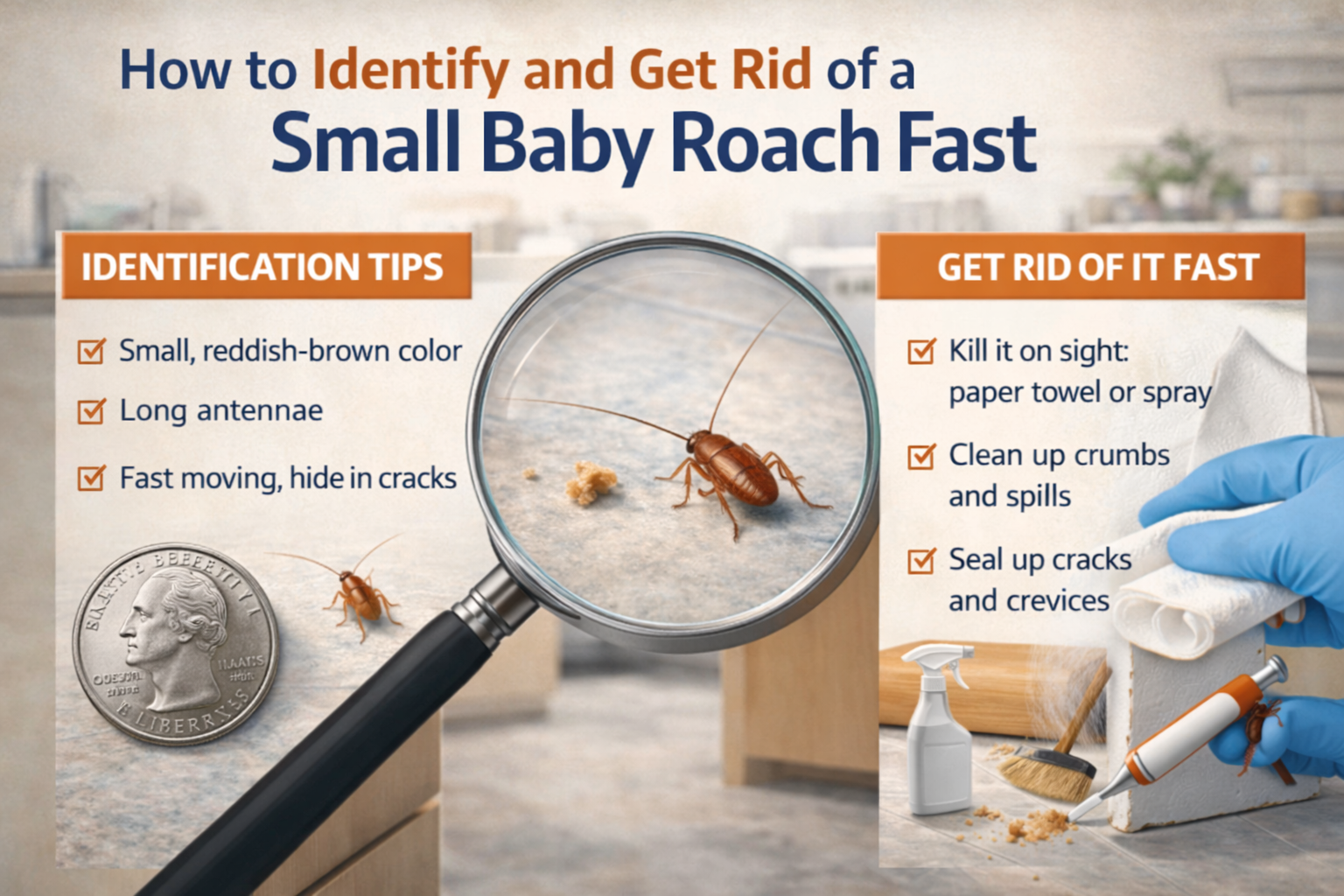
Finding a small baby roach scurrying across your bathroom tile or kitchen counter at 2:00 AM is enough to make anyone’s heart sink. It isn’t just the “gross factor”—it’s the biological implication. In the world of entomology, a baby cockroach (scientifically known as a nymph) is a flashing red light that a breeding population has established itself within your walls.
If you’ve spotted one, you aren’t just dealing with a stray traveler. You are likely witnessing the first sign of an active Infestation. This guide will walk you through exactly how to Identify these pests, why they are there, and, most importantly, how to kill baby roaches effectively using professional-grade strategies.
Identifying the Enemy: Is It Really a Small Baby Roach?
Before you can treat the problem, you must confirm the species. Most homeowners mistake “smokybrown” nymphs or even small beetles for cockroaches. However, a small baby roach has distinct features.
Appearance and Anatomy
Baby roaches look remarkably like miniature, wingless versions of their parents. They generally have:
- Color: Ranging from light tan to dark reddish-brown.
- Shape: Oval-shaped, flat bodies that allow them to squeeze into paper-thin cracks.
- Antennae: Long, thin, and constantly moving.
- Lack of Wings: Most nymphs do not develop functional wings until they reach adulthood.
The “Big Three” Species
- German Cockroach Nymphs: These are the most dangerous. They are very small, dark, and have two distinct dark stripes running down their backs. If you see these in a kitchen, you have a high-priority problem.
- American Cockroach Nymphs: These are larger and have a more uniform reddish-brown color.
- Oriental Cockroach Nymphs: These appear almost black and are typically found in damp areas like basements.
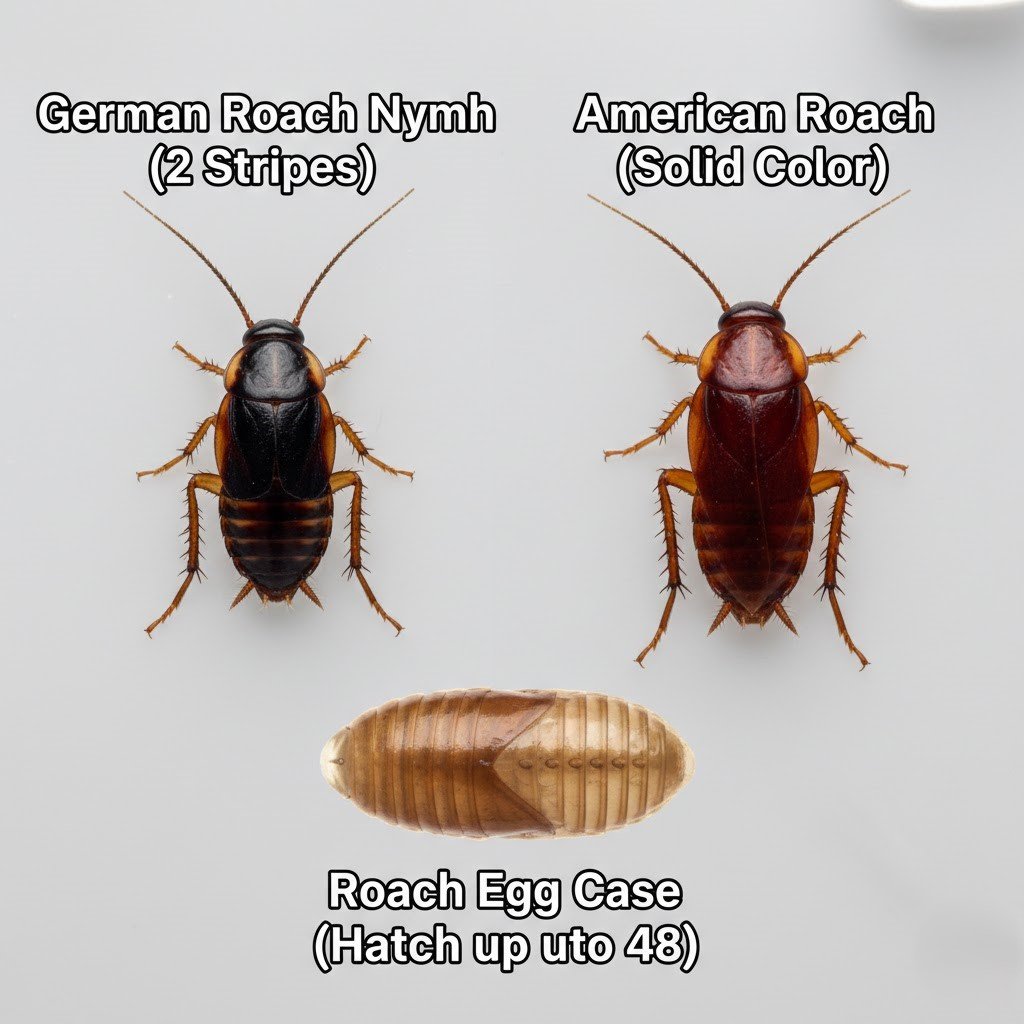
Identifying the specific species of a small baby roach is the first step in choosing the right bait.
Why Seeing a Baby Roach is Worse Than an Adult
It is a common myth that seeing a small cockroaches is “better” because it’s “just a baby.” In reality, it is the opposite.
- Proximity to the Nest: Adult roaches can travel long distances for food. However, a small baby roach usually stays very close to where it hatched. Seeing one means the nest is likely within a few feet of your current location.
- Exponential Growth: A single female German cockroach can carry an egg case (ootheca) containing up to 48 eggs. Once those nymphs hatch, they reach reproductive maturity in as little as 50 days.
How to Kill Baby Roaches: A Multi-Step Strategy
To effectively how to kill baby roaches, you cannot rely on a single “can of spray.” You must use an Integrated Pest Management (IPM) approach that targets their biology.
1. Sanitation: Starve the Nymphs
Baby roaches have a much higher surface-area-to-volume ratio than adults, meaning they dehydrate and starve faster.
- Eliminate Standing Water: Fix leaky pipes and dry out sinks every night. A single drop of water is a feast for a nymph.
- Deep Clean Appliances: Pull out the stove and refrigerator. Nymphs live off the grease and crumbs that accumulate in these warm “engine rooms.”
2. Gel Baits (The “Trojan Horse” Method)
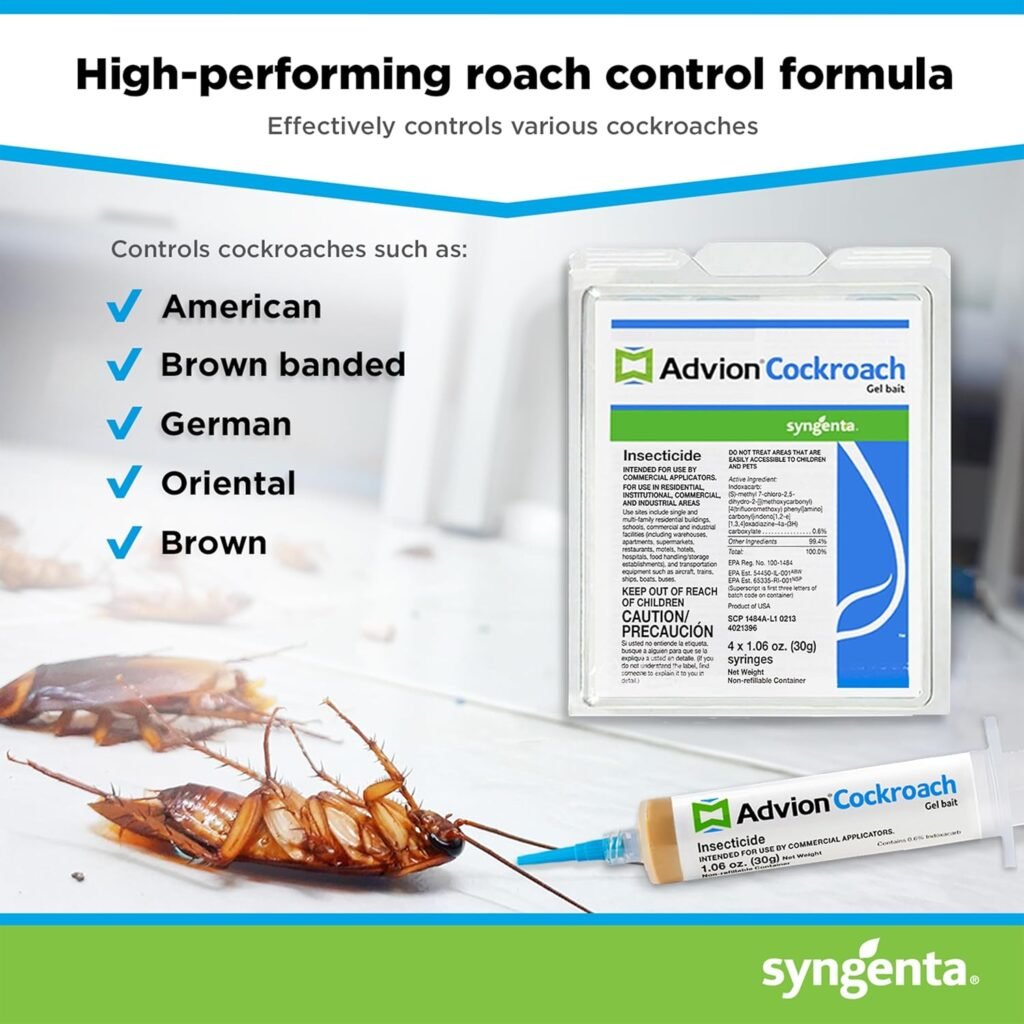
Sprays often just scatter the roaches. Gel baits, containing fipronil or indoxacarb, are far more effective.
- How it works: Roaches eat the bait, return to the nest, and die. Because roaches are cannibalistic, the small baby roach will eat the poisoned remains of adults, effectively wiping out the hidden population.
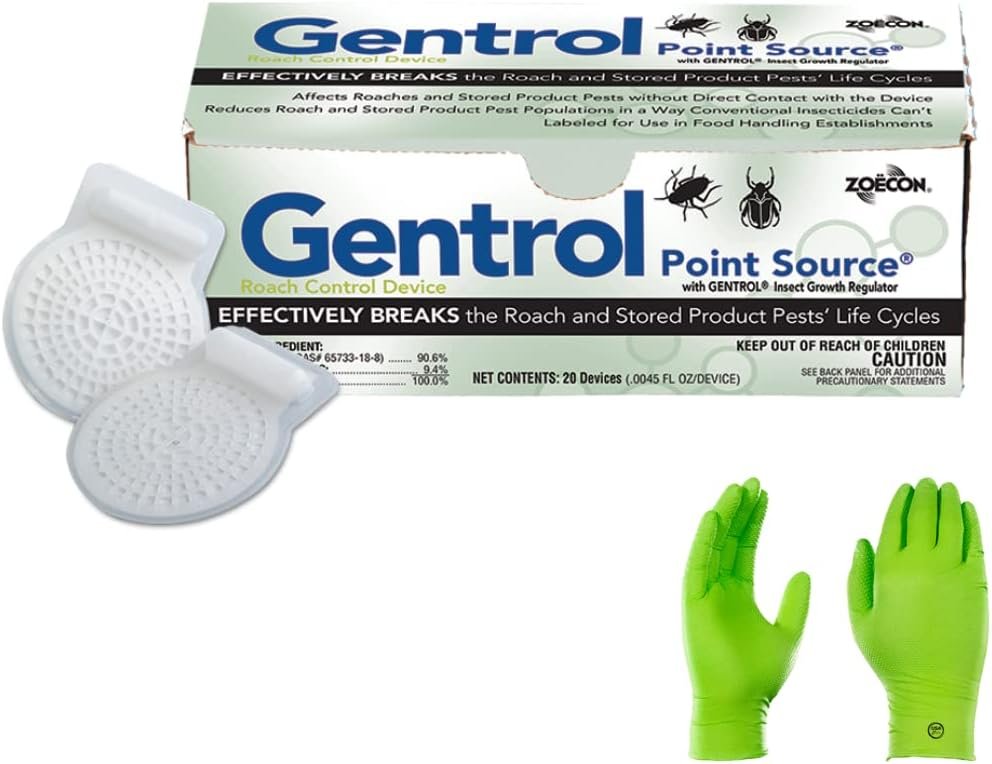
3. Insect Growth Regulators (IGRs)
This is the “secret weapon” in pest control. An IGR is a chemical that acts like birth control for roaches. It prevents the nymph from molting into an adult. If they can’t become adults, they can’t reproduce, and the infestation dies with that generation.
| Treatment Type | Best For | Effectiveness |
| Gel Baits | Killing the nest at the source | Very High |
| Boric Acid | Hard-to-reach wall voids | High |
| Sticky Traps | Monitoring and identification | Medium |
| IGRs | Breaking the life cycle | Very High |
Common Hiding Spots for Small Baby Roaches
If you want to know how to kill baby roaches, you have to think like one. They seek warmth, moisture, and darkness. Check these areas immediately:
- Behind the Refrigerator: The compressor provides constant heat.
- Under the Sink: Check the “P-trap” and where pipes enter the wall.
- Inside Electronics: Microwaves, toasters, and even internet routers are common nesting sites.
- Cabinet Hinges: German roach nymphs love the tiny crevices in kitchen cabinet hinges.
Read More Guides: How Small Are Baby Roaches? A Complete Guide to Identification
Professional Inspection Tips
Use a flashlight and a small mirror to look “up and under” surfaces. Look for roach “pepper”—tiny black specks that look like coffee grounds. This is fecal matter and is a definitive sign of a high-traffic area.
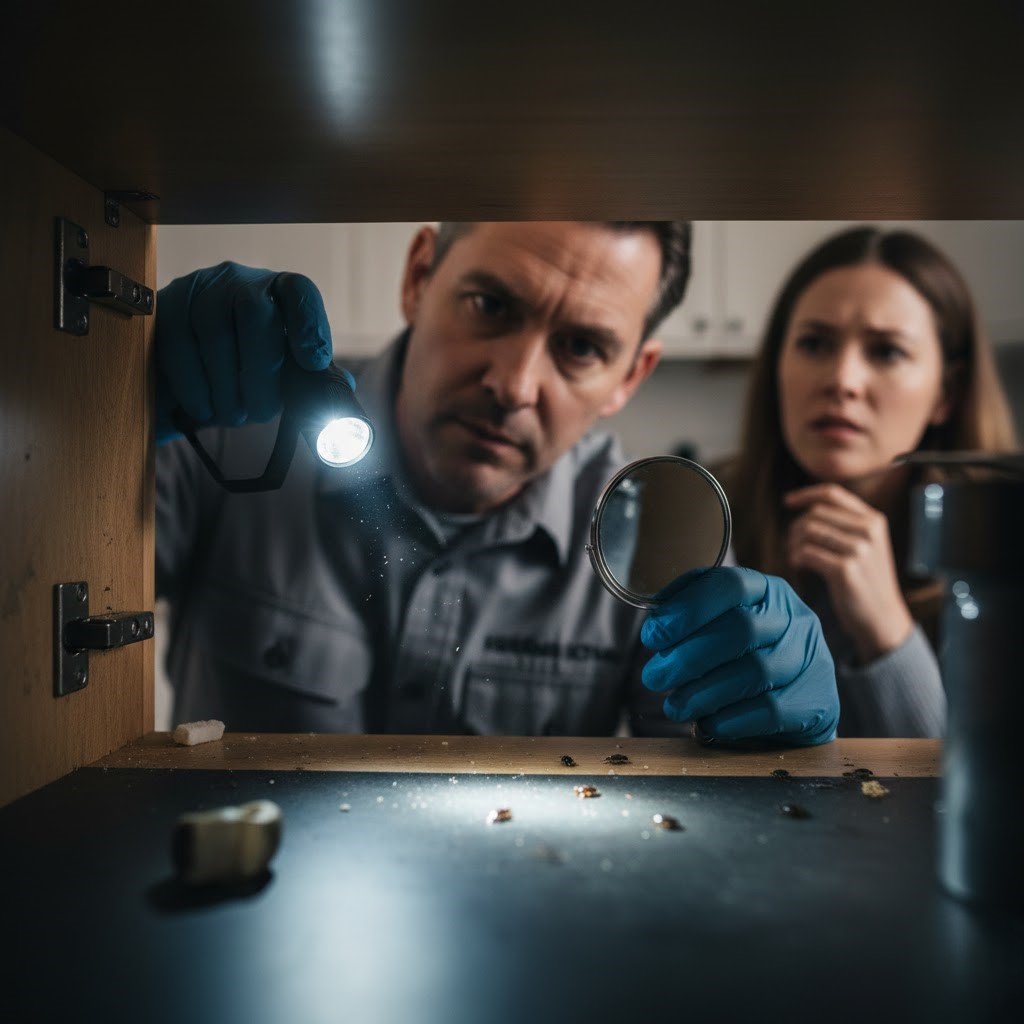
Thorough inspection of warm, dark crevices is essential for locating the source of baby roach activity.
Preventative Measures: Keeping Them Out
Once you have started the process to how to kill baby roaches, you must ensure a second wave doesn’t arrive.
- Seal Entry Points: Use silicone caulk to seal gaps in baseboards and where utility lines enter the home.
- Manage Cardboard: Roaches love the glue in cardboard boxes. If you receive a lot of packages, break them down and move them outside immediately.
- Store Food in Airtight Containers: Plastic bags are easily chewed through; glass or heavy-duty plastic is best.
When to Call a Professional
While DIY methods can work for a stray roach, a small baby roach sighting often indicates a deep-seated problem that requires professional equipment. Professional exterminators have access to pressurized flushing agents and commercial IGRs that are much more potent than hardware store versions.
The psychological toll of living with pests is significant. If you find that your efforts aren’t yielding a bug-free home within two weeks, it is time to seek expert guidance to protect your home’s hygiene and your family’s health.
Dealing with a pest infestation can be overwhelming, but you don’t have to face it alone. Whether you need an immediate intervention or a long-term prevention plan, expert help is just a click or a call away. Our team specializes in connecting homeowners with the best outreach and pest strategy solutions tailored to your specific environment.
FAQS
Everything You Need to Know About Baby Roaches
Does seeing one small baby roach mean an infestation?
Almost always, yes. Roaches are social insects. If one nymph is out in the open, it usually means the “good” hiding spots in the nest are already full, or it was pushed out by overcrowding.
Can baby roaches bite?
While roaches are physically capable of biting, it is extremely rare. They are far more interested in your food and water than in biting humans. The real danger is the bacteria and allergens they carry.
How long does it take to kill baby roaches?
With a proper gel bait and IGR regimen, you should see a 70-80% reduction in activity within a week. However, completely eradicating a colony can take 3 to 4 weeks to ensure all egg cases have hatched and been treated.
Are baby roaches white?
Sometimes. A roach that has just finished “molting” (shedding its skin) will appear pure white for a few hours until its new shell hardens and darkens. These are often called “albino roaches,” but they are actually just nymphs in transition.
Does bleach kill baby roaches?
Bleach kills roaches on contact, but it is a poor pest control tool. It doesn’t reach the nest, it has no residual killing power, and the fumes can be dangerous to pets and children.
Conclusion
Finding a small baby roach is a call to action. It is a sign that your home provides the perfect conditions for a cockroach family to thrive. By focusing on how to kill baby roaches through a combination of sanitation, strategic baiting, and the use of IGRs, you can break the breeding cycle and reclaim your space.
- Identity Matters: Confirm it’s a roach nymph before treating.
- Cleanliness is Key: Remove water and grease to make baits more attractive.
- Break the Cycle: Use IGRs to ensure nymphs never become breeding adults.
- Act Fast: Speed is the only way to prevent a few nymphs from becoming thousands.
Don’t wait for the problem to grow. Start your treatment plan tonight and enjoy the peace of mind that comes with a clean, pest-free home.