Finding a small, scurrying insect in your kitchen or bathroom can trigger an immediate sense of dread. Often, these tiny invaders are so small they are mistaken for beetles, crickets, or even bed bugs. To effectively protect your home, you need to know exactly what you are looking at. Specifically, how big are baby cockroaches, and why does their size matter?
Understanding the physical dimensions of a cockroach nymph (the technical term for a “baby”) is the first step in determining the severity of your pest problem. If you can identify the size and species, you can predict how fast they will multiply. In this guide, we will break down the measurements of common species, explain the life stages of these resilient pests, and answer the critical question: Do baby roaches mean infestation?
How Big Are Baby Cockroaches? A Species Breakdown
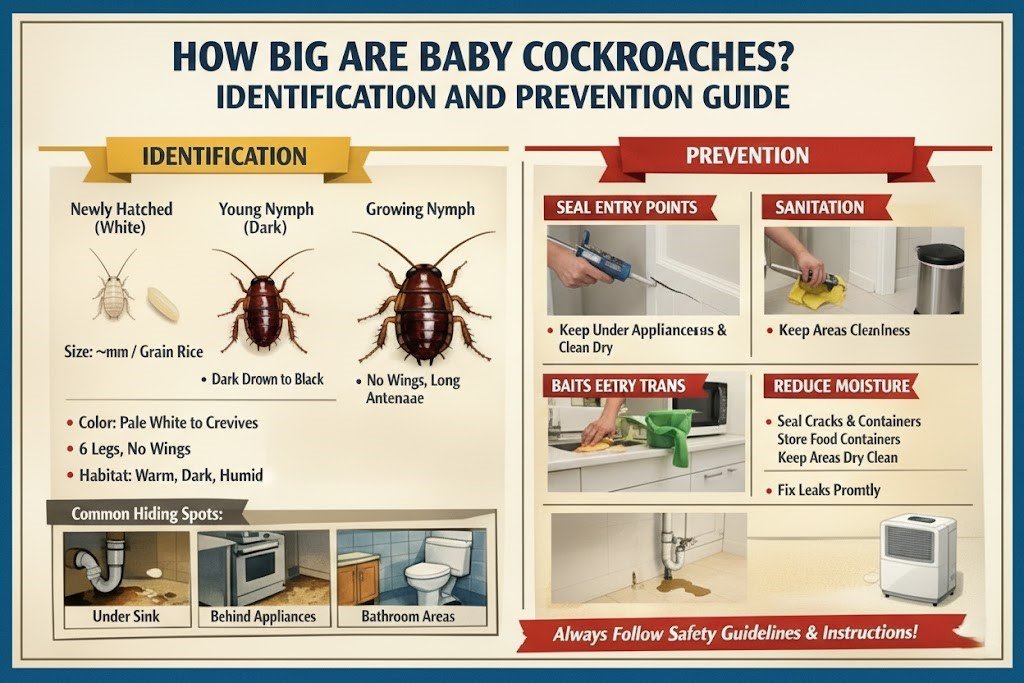
The size of a baby cockroach depends entirely on its species and its “instar” stage (the period between molts). Generally, when they first emerge from the egg case, baby cockroaches are about the size of a grain of rice or a speck of pepper.
1. German Cockroach Nymphs
The German cockroach is the most common indoor species. They are notorious for rapid breeding.
- Initial Size: Approximately 3 mm (1/8 inch) long.
- Appearance: Dark brown to black with a light-colored stripe on their backs.
- Growth: They go through 6 to 7 molts before reaching their adult size of about 1/2 to 5/8 inches.
2. American Cockroach Nymphs
American cockroaches are the “giants” of the roach world, often found in basements or sewers.
- Initial Size: Roughly 6 mm (1/4 inch) long.
- Appearance: Reddish-brown with a more “cylindrical” shape than German nymphs.
- Growth: These nymphs take much longer to mature—sometimes over a year—eventually reaching sizes up to 2 inches.
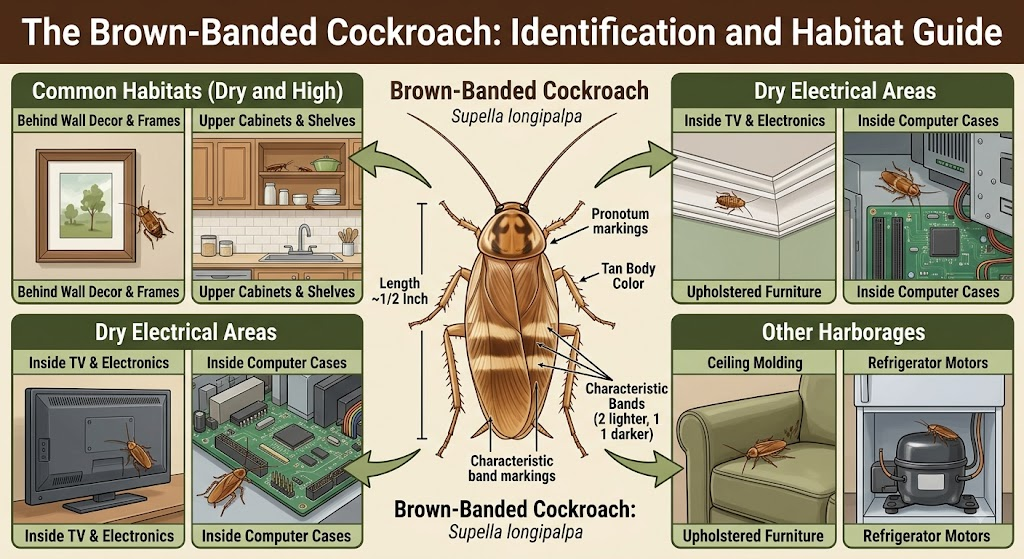
3. Brown-Banded Cockroach Nymphs
These are often found in dry, warm areas like electronics or high cabinets.
- Initial Size: About 3 mm (1/8 inch).
- Appearance: Distinctive light-colored “bands” across their wings and abdomen.
4. Oriental Cockroach Nymphs
Often called “water bugs,” these prefer damp, cool environments.
- Initial Size: About 6 mm (1/4 inch).
- Appearance: Shiny, dark reddish-brown to black, with a wider, more robust body.
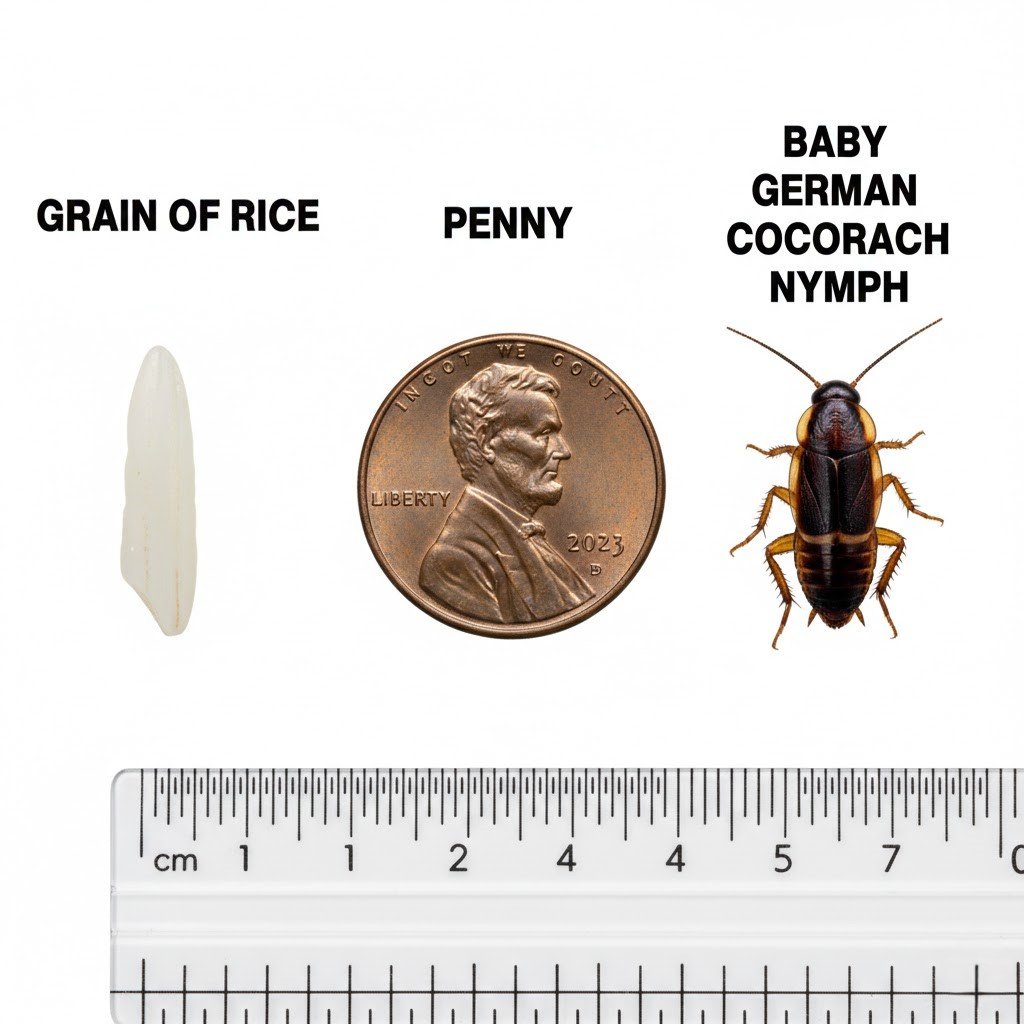
To the naked eye, a baby German cockroach is often no larger than a grain of rice, making them easy to overlook in dark cabinets.
Why Size and Appearance Matter for Identification
Because baby cockroaches are so small, homeowners often misidentify them. Mistaking a baby roach for a beetle might lead you to ignore the problem until it’s too late.
Key Features to Look For:
- Antennae: Even at their smallest size, baby cockroaches have long, thread-like antennae that are constantly moving.
- Shape: They are generally oval and dorsoventrally flattened, meaning they can squeeze into cracks as thin as a credit card.
- No Wings: Unlike many small beetles, baby cockroaches do not have wings. They only develop wings after their final molt into adulthood.
Do Baby Roaches Mean Infestation?
The short answer is yes. In almost every scenario, spotting a baby cockroach is a stronger indicator of a problem than seeing a single adult.
The “Iceberg” Effect
When you see an adult cockroach, it might have hitchhiked into your home in a grocery bag or a cardboard box. However, do baby roaches mean infestation? Yes, because their presence proves that an egg case (ootheca) has hatched inside your home.
A single German cockroach egg case can contain between 30 and 48 nymphs. If you see one baby, there are likely dozens more hiding in the nearby vicinity—under the sink, behind the refrigerator, or inside the walls.
Why Seeing Babies is Urgent
- Nesting Sites: Babies stay close to where they hatched. Seeing them means there is a “nursery” nearby.
- Rapid Maturation: In warm conditions, these nymphs can reach reproductive age in just a few months, leading to an exponential population explosion.
- Resistance: Nymphs are often more resilient to certain DIY surface sprays because they spend most of their time hidden in deep crevices where the chemicals don’t reach.
The Cockroach Life Cycle: From Egg to Adult
Understanding the timeline of a roach’s life helps you understand why timing is everything in pest control.
| Species | Egg Incubation | Nymph Stage Duration | Adult Lifespan |
| German | 28 days | 50–60 days | 6 months |
| American | 45 days | 150–800 days | 1 year |
| Oriental | 60 days | 300–800 days | 6 months |
For the German cockroach, the transition from “speck-sized” nymph to a breeding adult happens in less than two months. This is why a small problem becomes a nightmare in a single season.
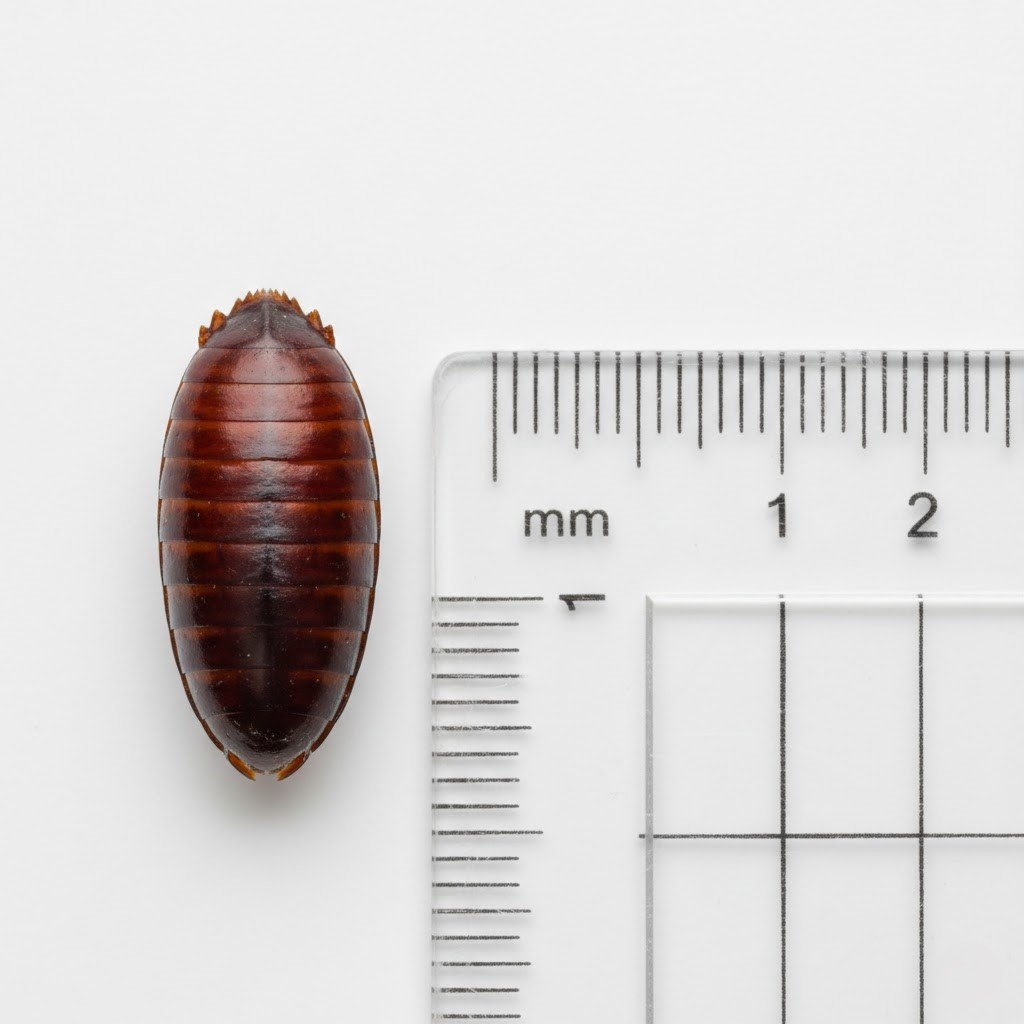
Finding this small, brown, purse-shaped capsule is a sign that dozens of baby cockroaches are about to emerge.
Common Hiding Spots for Baby Cockroaches
Because of their tiny size, baby cockroaches can inhabit areas that adults cannot. To find them, you must look in “micro-habitats.”
- Kitchen Hinges: The small gaps in cabinet hinges are perfect for tiny German roach nymphs.
- Rubber Door Gaskets: Check the folds in your refrigerator or dishwasher seal.
- Electronic Portals: The heat generated by Wi-Fi routers, gaming consoles, and microwave clocks attracts nymphs.
- Wallpaper Gaps: Peeling wallpaper provides a paper-thin sanctuary for them to molt.
How to Prevent an Infestation from Escalating
If you have confirmed that those tiny specks are indeed baby cockroaches, you must act strategically.
1. Eliminate Standing Water
Nymphs are highly susceptible to dehydration. A leaky pipe or a pet water bowl left out overnight provides the hydration they need to survive their next molt.
2. Seal the Gaps
Use silicone caulk to seal the small cracks where nymphs hide. Pay close attention to where plumbing pipes meet the wall under the sink.
Managing Your Home’s Health
Living with pests isn’t just a matter of comfort; it’s a matter of health. Cockroach nymphs shed their skins and leave behind droppings that are known triggers for asthma and allergies, particularly in children. Addressing the problem early, while the roaches are still in their nymph stage, can preventing significant health risks and costly property damage.
If you are seeing signs of movement in your kitchen or are worried about the tiny insects you’ve found, seeking professional advice can save you months of frustration. Our team is dedicated to providing clear, effective strategies to ensure your home remains yours alone.
Conclusion
Understanding how big are baby cockroaches is more than just a trivia point; it is a diagnostic tool for your home’s safety. From the 3 mm German nymph to the larger American roach larva, these tiny pests are a clear signal that a breeding cycle is in progress.
Remember, do baby roaches mean infestation? Invariably, the answer is yes. Spotting a nymph means the “nursery” is open, and without intervention, those dozens of babies will become hundreds of adults in a matter of weeks. By maintaining high sanitation standards, sealing entry points, and using targeted baits or professional help, you can break the cycle and keep your home pest-free.
Next Steps:
- Conduct a “night-time inspection” with a flashlight in your kitchen.
- Seal all open food containers in airtight plastic or glass.
- Consult with a professional if you see more than one nymph in a 24-hour period.
Read More Guides: White Baby Roaches: Identify, Treat, and Prevent Infestations
FAQS: About Baby Cockroaches
1. Can baby cockroaches fly?
No, baby cockroaches (nymphs) do not have wings. They only develop wings once they reach their final adult stage. If you see a tiny flying insect, it is likely a fruit fly, fungus gnat, or a specific type of beetle.
2. What color are baby cockroaches?
Their color varies by species, but most are dark brown, tan, or black. Immediately after molting, a baby cockroach will appear stark white for a few hours before its shell hardens and darkens.
3. Do baby cockroaches bite?
While cockroaches are physically capable of biting, it is extremely rare. They do not feed on humans. However, their legs have small spines that can cause skin irritation if they crawl on you.
4. How many babies are in one roach egg?
It depends on the species. The German cockroach, which is the most common indoor pest, carries an egg case (ootheca) containing 30 to 48 embryos. Other species like the American cockroach typically have about 16 per case.
5. Can I get rid of baby roaches with just cleaning?
Cleaning is vital, but it is rarely enough on its own. Because baby roaches can live on microscopic amounts of food (like the glue on the back of a postage stamp or skin cells), you usually need baits or professional intervention to fully eradicate a nest.
6. Why am I seeing baby roaches in the daytime?
Cockroaches are nocturnal. If you see nymphs during the day, it usually means the hiding spots are overcrowded, indicating a severe infestation.