
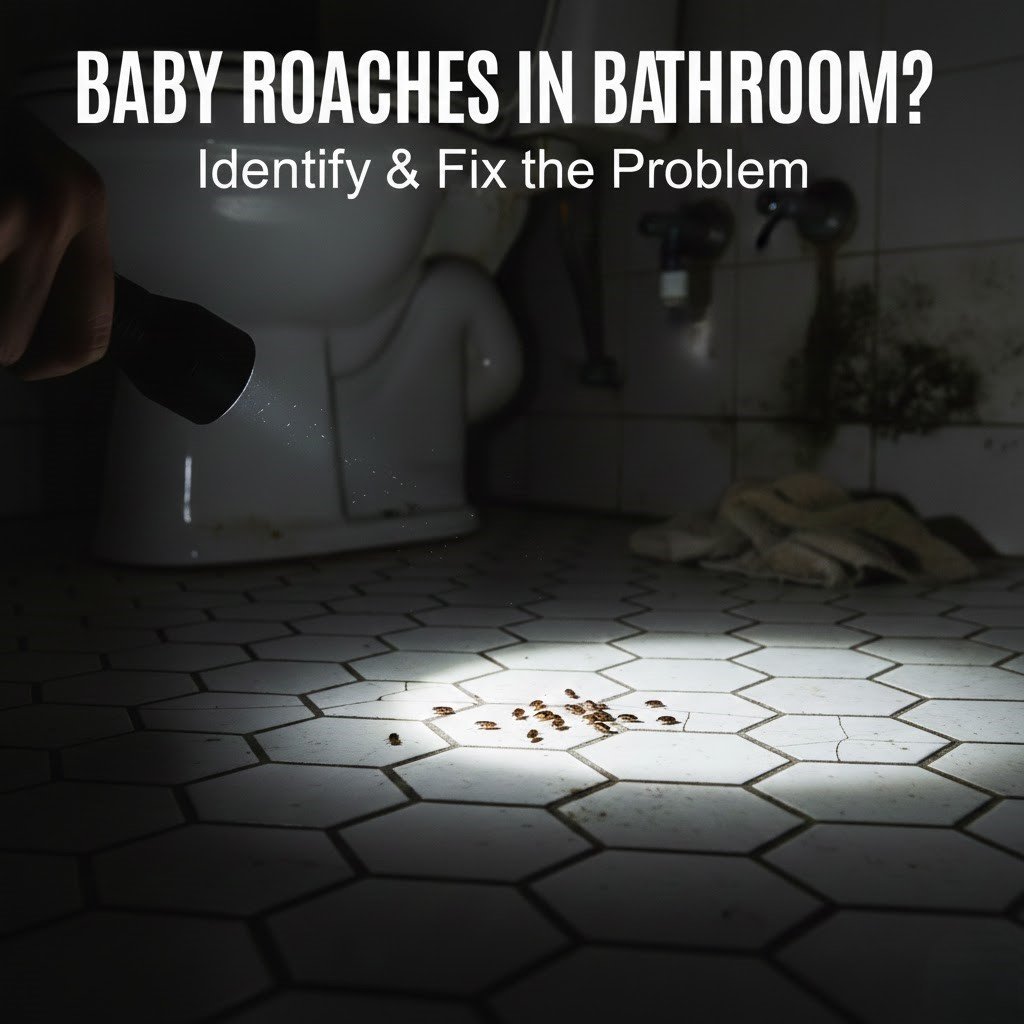
Discovering baby roaches in bathroom corners, sinks, or cabinets is a moment of pure frustration for any homeowner. You might be wondering why such a clean space is suddenly hosting these tiny, scurrying pests. The reality is that bathrooms provide the “holy trinity” for cockroach survival: moisture, warmth, and darkness.
If you are seeing baby roaches in bathroom areas, it is rarely an isolated incident. These small insects, known as nymphs, are a clear sign that an egg case (ootheca) has recently hatched nearby. Because a single egg case can contain up to 40 offspring, a few sightings today can lead to a massive infestation tomorrow. Understanding how to identify these pests and why they chose your bathroom is the first step in reclaiming your home.
Why You Have Baby Cockroaches in Bathroom Areas
Cockroaches are opportunistic. They don’t need a dirty house to survive; they only need a reliable water source. Your bathroom is the most water-rich environment in your home, making it a prime target for nesting.
High Humidity and Moisture
Unlike adults, baby cockroaches are highly susceptible to desiccation (drying out). The steam from your shower and the dampness around a leaky faucet create the high-humidity environment they need to stay hydrated.
Organic Matter Accumulation
You might think your bathroom is clean, but for a tiny nymph, hair, soap scum, and shed skin cells are gourmet meals. These organic materials often accumulate in drains and under vanity cabinets, providing ample food for a growing colony.
Easy Entry Points
Bathrooms are connected to the rest of the house—and the outside world—through a complex network of pipes. Baby cockroaches in bathroom sinks often enter through “dry” P-traps or gaps in the wall where plumbing enters.
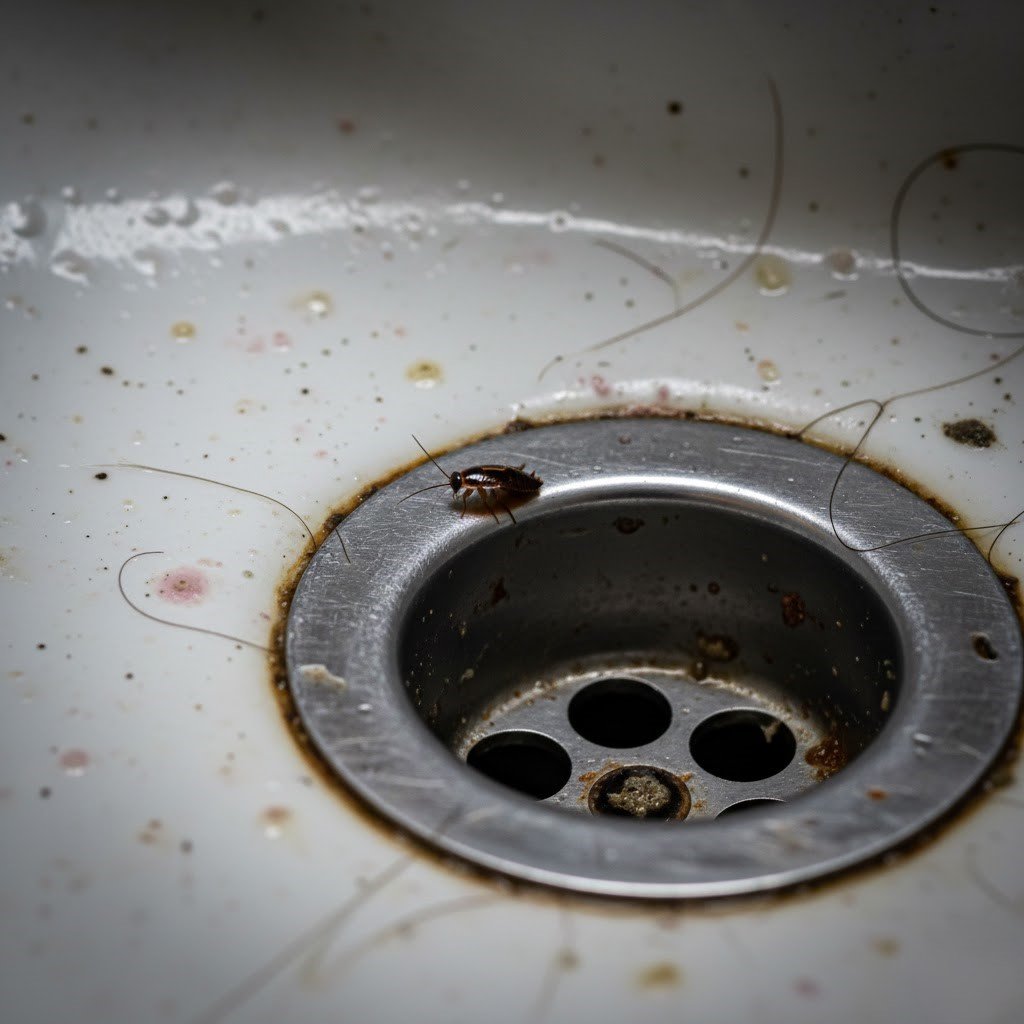
Drains are a primary entry and exit point for baby cockroaches seeking moisture.
Identification: Is it a Baby Roach or Something Else?
Because they are so small—often between 3mm and 7mm—many people mistake baby roaches for beetles, crickets, or even bed bugs. To confirm you have a roach problem, look for these specific traits:
- Long Antennae: Even as nymphs, their antennae are usually as long as or longer than their bodies.
- Lack of Wings: Baby roaches do not have wings. If the bug flies, it is an adult or a different insect.
- Two “Spikes” at the Tail: Look for small appendages called cerci at the end of their abdomen.
- Fast Movement: Roaches move in rapid, jerky bursts when exposed to light.
Common Species Found in Bathrooms
- German Cockroach Nymphs: The most common. They are dark with a light stripe down their back.
- American Cockroach Nymphs: Reddish-brown and slightly larger. They often enter through sewer lines.
Critical Hiding Spots to Inspect
If you’ve spotted baby roaches in bathroom settings, you need to check these four “hot zones” immediately:
1. Under the Vanity
The dark, rarely disturbed area under the sink is a favorite nesting site. Check around the plumbing penetrations (where pipes go into the wall). If there is a gap, they are likely nesting inside the wall.
2. The Drain Lines
If you have a guest bathroom that is rarely used, the water in the P-trap can evaporate. This leaves a clear “highway” for roaches to crawl from the sewer lines directly into your sink or tub.
3. Behind the Toilet
The condensation on the back of a toilet tank provides a constant supply of fresh water. Check the floor base and the wall behind the tank for pepper-like droppings, which are a sign of roach activity.
4. Bathroom Closets
Towels and linens provide insulation and darkness. Roaches love the glue in cardboard boxes or the tight folds of stored fabrics.
How to Get Rid of Baby Roaches in Bathroom Areas
Eliminating nymphs requires a different strategy than killing adults. Because they don’t travel far from the nest, you must be precise.
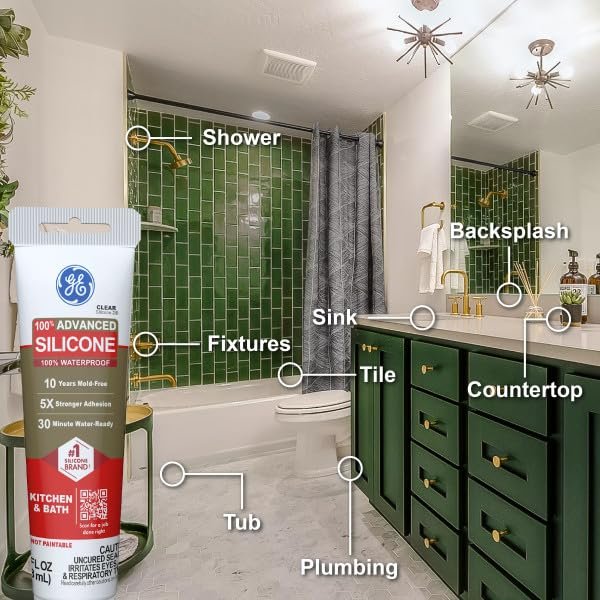
- Seal the Gaps: Use silicone caulk to seal gaps around the baseboards, the vanity, and where pipes enter the wall.
- Gel Baits: Use professional-grade gel baits. The babies eat the bait and return to the nest, eliminating the colony through a “domino effect.”
- Run the Water: Periodically run water in every drain to ensure P-traps stay full.
- Fix Leaks: Even a slow drip under the sink can sustain a colony for months.
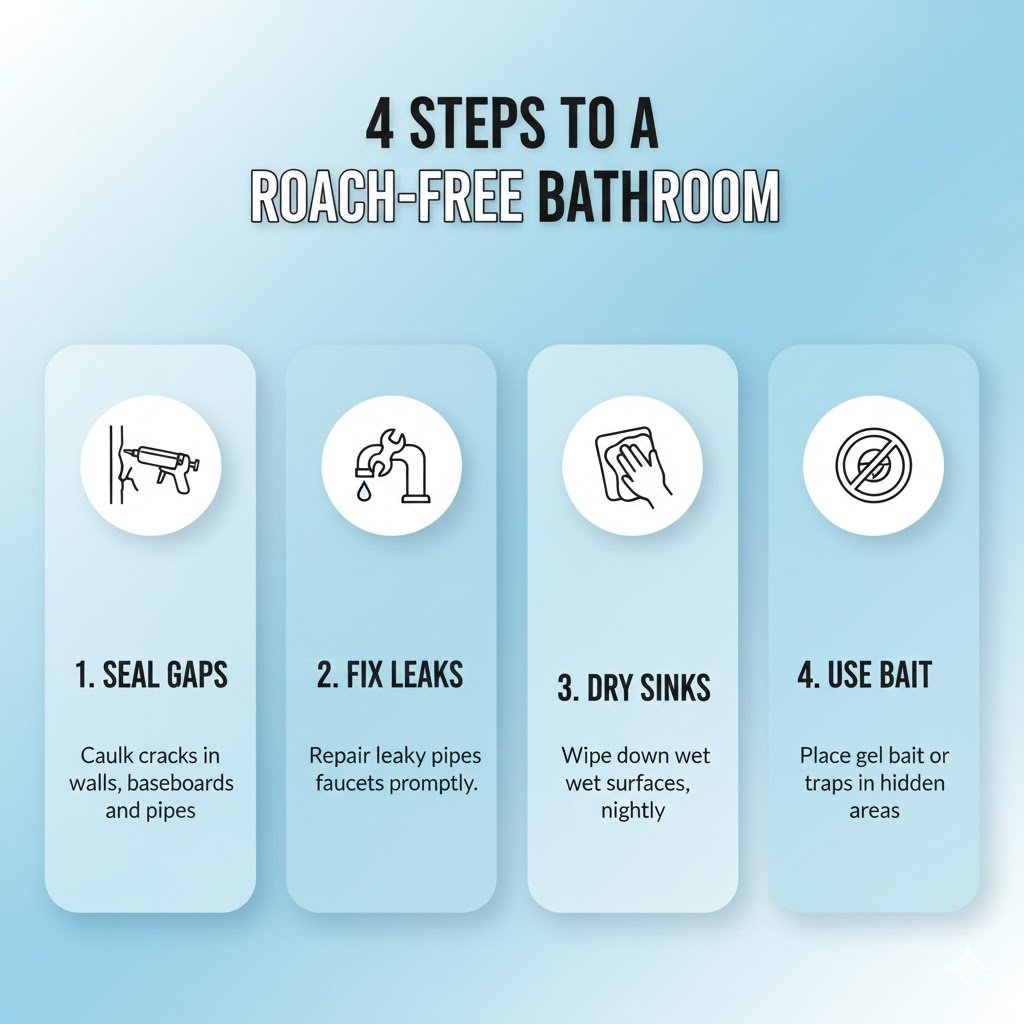
Prevention is the most effective way to manage baby cockroach populations.
When to Call a Professional
While DIY methods can work for a stray roach, seeing baby cockroaches in bathroom cabinets daily indicates a structural infestation. Nymphs are the “tip of the iceberg.” For every one you see, there are likely dozens more hidden inside the walls or floorboards.
Managing a pest problem requires a strategic approach that addresses the root cause, not just the visible symptoms. If you want to ensure your bathroom remains a sanctuary rather than a breeding ground, expert intervention is the most reliable path forward. Our team specializes in identifying specific species and deploying targeted treatments that are safe for your family but lethal to the colony.
Don’t wait for the problem to spread to your kitchen and bedrooms. Take action today to protect your home’s hygiene and your family’s peace of mind.
Read More Abut: How To Kill Baby Roaches In Kitchen Cabinets And Counters
FAQ: Baby Roaches in Bathroom
Why are there baby roaches in my bathroom but not my kitchen?
Bathrooms often have higher humidity and more secluded hiding spots (like behind tiles or under vanities) compared to kitchens. If the infestation is in the early stages, they may have simply hatched near a bathroom drain and haven’t migrated yet.
Can baby roaches come up through the bathtub drain?
Yes. If the plumbing has gaps or if the sewer lines have an infestation, roaches can crawl up through the pipes. This is especially common in apartment buildings or homes with older plumbing.
Does seeing a baby roach mean my house is dirty?
Not necessarily. Roaches are attracted to moisture and shelter. Even the cleanest bathroom can have a leaky pipe or a gap in the baseboard that invites them in.
Will bleach kill baby roaches in the drain?
Bleach may kill the roaches it touches, but it won’t solve the problem. Roaches live in the “dry” parts of the pipes and walls where bleach won’t reach. It’s better to use gel baits or insect growth regulators (IGRs).
How long does it take for a baby roach to become an adult?
Depending on the species and the temperature, it takes about 50 to 100 days. This is why immediate action is necessary to stop them before they can reproduce.
Conclusion
Finding baby roaches in bathroom corners is a clear signal that your home is providing the perfect environment for a cockroach colony. By focusing on moisture control, sealing entry points, and targeted baiting, you can disrupt their life cycle. Remember, the presence of nymphs means a nest is nearby. Don’t let a small problem turn into a full-house infestation. Be proactive, stay vigilant, and don’t hesitate to seek professional help to ensure these persistent pests are gone for good.