
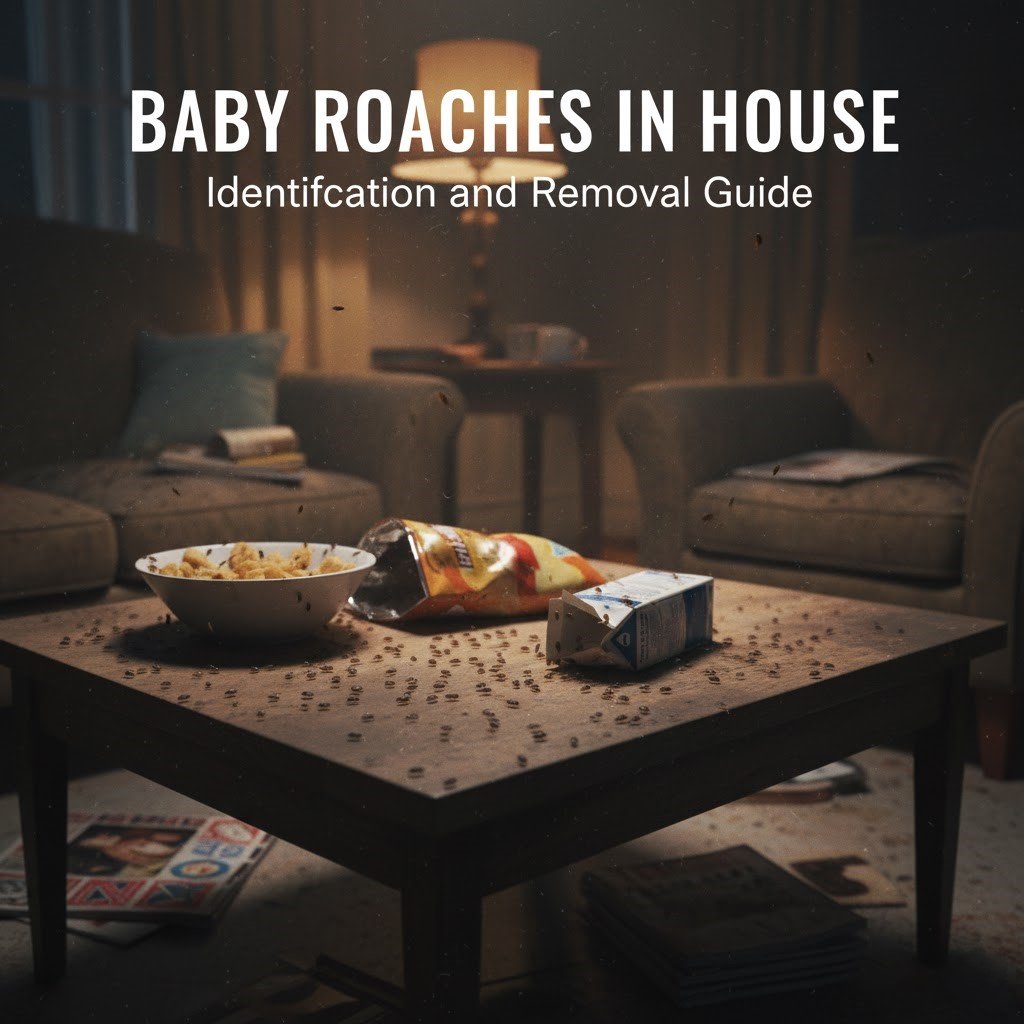
Finding baby roaches in your house is often more concerning than spotting a single adult. While an adult might be a “hitchhiker” that wandered in from outdoors, a baby—technically known as a nymph—is a definitive sign of a breeding population. If you see one, there are likely dozens, if not hundreds, hiding behind your walls, under your appliances, and inside your cabinets.
In this comprehensive guide, we will break down how to identify these pests, why they’ve chosen your home, and the professional-grade steps you need to take to reclaim your space.
The Reality of Seeing Baby Roaches
Most homeowners feel an immediate sense of dread when they see a small, scurrying insect in the kitchen or bathroom. This instinct is correct. Because cockroaches are thigmotactic (they prefer their bodies to be in contact with a solid surface on all sides), they spend 75% of their lives hidden in cracks and crevices. By the time you see baby cockroaches in the house during daylight hours, it usually means their hiding spots are overcrowded.
How to Identify Baby Roaches in the House
Before you can treat the problem, you must confirm what you are looking at. Many people mistake beetles, crickets, or bed bugs for roach nymphs.
Physical Characteristics
Baby roaches look remarkably like smaller, wingless versions of their parents. Key features include:
- Size: Ranging from the size of a grain of rice to about half an inch.
- Color: Typically dark brown, tan, or reddish-brown.
- Shape: Flat, oval-shaped bodies that allow them to squeeze into paper-thin gaps.
- Antennae: Long, thin, and constantly moving.
Species Identification
The strategy for removal depends heavily on the species.
- German Cockroach Nymphs: These are the most common indoor pests. They are dark with a distinct light stripe running down their backs. If you see these in a kitchen or bathroom, you have an active infestation.
- American Cockroach Nymphs: These are more reddish-brown and tend to congregate in damp areas like basements or near sewer drains.
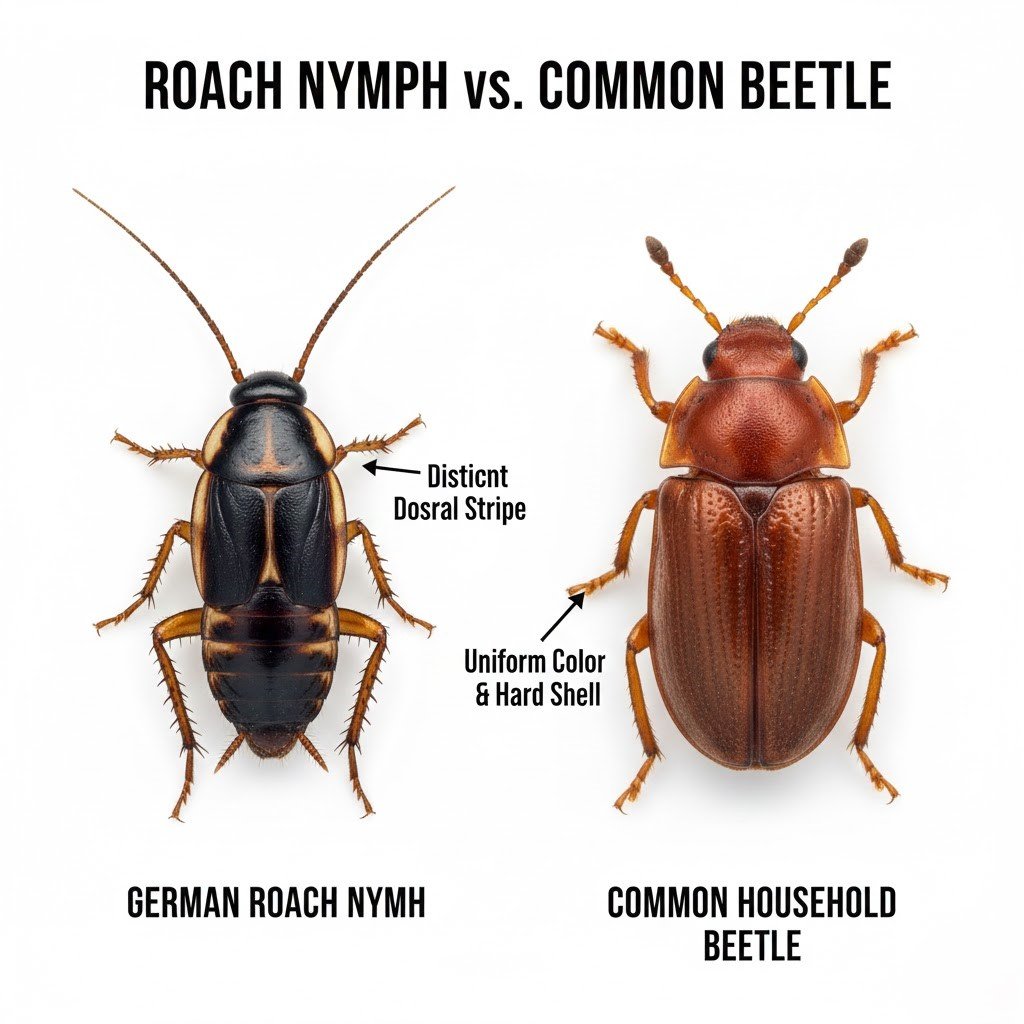
Identifying the distinctive stripes on a German cockroach nymph is the first step in choosing the right treatment.
Why Do I Have Baby Cockroaches in My House?
It is a common myth that roaches only inhabit “dirty” homes. In reality, cockroaches are opportunistic. They require three things to thrive: food, water, and warmth.
1. Entry Points
Baby roaches can enter through the tiniest openings. They often catch a ride on grocery bags, cardboard boxes, or second-hand furniture. In apartment complexes, they travel easily between units through shared plumbing and electrical conduits.
2. Ideal Breeding Grounds
Roaches love the “Big Three” areas of a home:
- The Kitchen: Crumbs behind the stove, grease under the toaster, and pet food left out overnight.
- The Bathroom: Moisture from leaky pipes or condensation provides the hydration they need.
- Laundry Rooms: The warmth from dryers and the presence of floor drains make this a secondary hub.
3. The “Ootheca” Factor
A single female German cockroach carries an egg case (ootheca) containing up to 48 embryos. If she drops this case in your home, you will suddenly see dozens of baby roaches in the house within weeks.
The Hidden Dangers of a Roaches Infestation
Beyond the “ick factor,” baby roaches pose legitimate health risks. According to the Environmental Protection Agency (EPA), cockroaches carry bacteria that can cause food poisoning, such as Salmonella and E. coli.
Furthermore, their discarded skins and droppings contain proteins that are potent allergens. For children or individuals with asthma, a roach infestation can trigger severe respiratory distress. This makes immediate removal a matter of health, not just aesthetics.
How to Get Rid of Baby Roaches: A Step-by-Step Plan
Step 1: Deep Sanitation
You cannot “poison” your way out of a messy environment. The first step is to remove their food source.
- Store all dry goods in airtight plastic or glass containers.
- Clean the “hidden” areas: behind the fridge, under the oven, and inside the toaster tray.
- Eliminate standing water. Fix leaky faucets and wipe down sinks before bed.
Step 2: Targeted Baiting
Sprays often fail because they only kill the roaches you see. Gel baits are far more effective.
- Place small dots of bait in corners where you’ve seen activity.
- The baby roaches eat the bait, return to the nest, and die.
- Because roaches are cannibalistic, the rest of the colony consumes the poisoned carcass, creating a domino effect.

Step 3: Use an Insect Growth Regulator (IGR)
This is the “secret weapon” for baby roaches. An IGR is a hormone disruptor. It doesn’t kill the roach immediately; instead, it prevents the nymphs from reaching sexual maturity. This effectively breaks the breeding cycle.
| Treatment Type | Pros | Cons |
| Gel Baits | High kill rate, reaches the nest | Takes 2-5 days to see results |
| Boric Acid | Low toxicity to humans, long-lasting | Messy; must be applied in a very thin layer |
| IGRs | Stops future generations | Does not kill existing adults |
| Sticky Traps | Great for monitoring populations | Won’t eliminate an infestation |
Preventing Future Infestations
Once you have cleared the current population, you must “fortify” your home.
- Seal the Gaps: Use silicone caulk to seal openings around baseboards, cabinets, and pipes.
- Manage Trash: Use a trash can with a tight-fitting lid and take the bags out every night.
- De-clutter: Roaches love cardboard. Replace cardboard storage boxes with plastic bins.
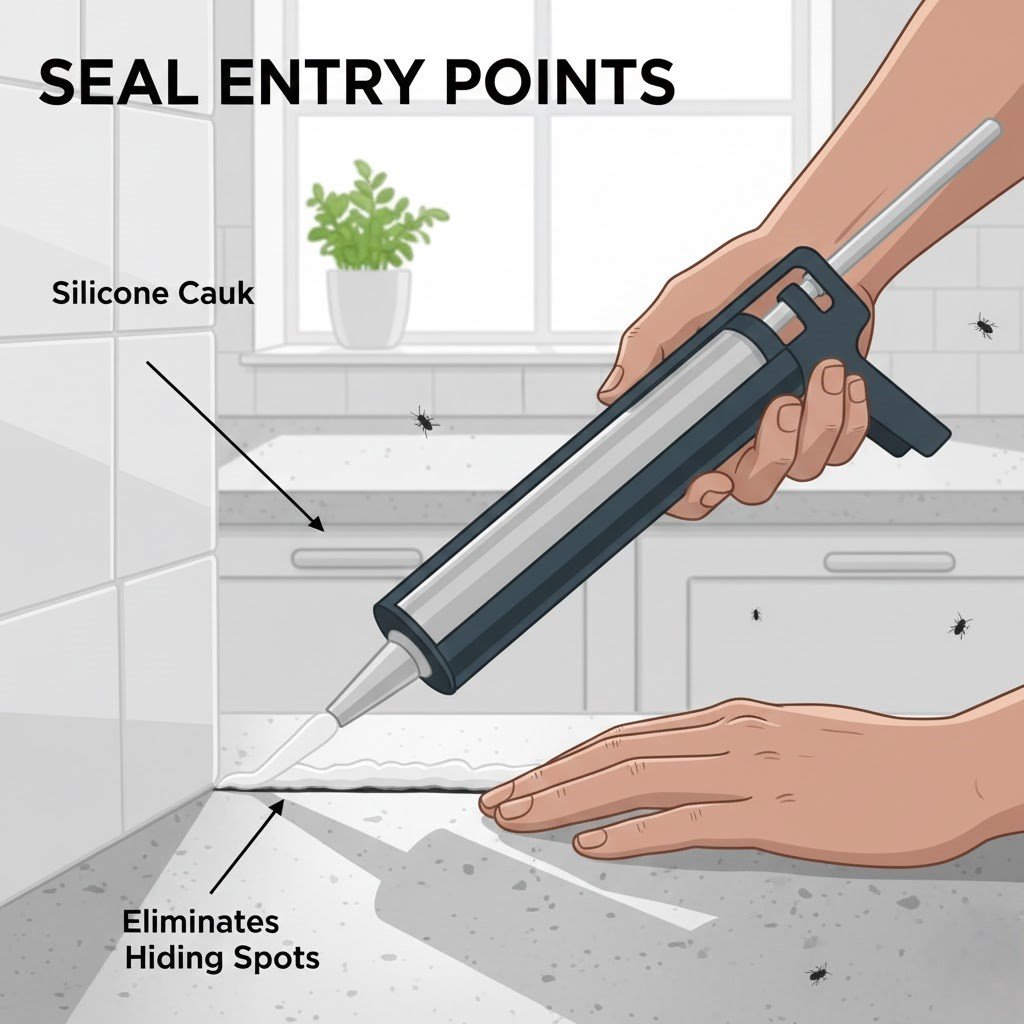
Caption: Exclusion—sealing entry points—is the most effective long-term strategy for keeping baby cockroaches out of the house.
When to Call a Professional
If you have applied baits and IGRs and are still seeing baby roaches in the house after two weeks, the infestation may be deep within the structural voids of your home. Professional pest control operators have access to pressurized equipment and specialized dusts that reach where consumer products cannot.
Dealing with a persistent pest problem can be incredibly stressful and time-consuming. If you’re feeling overwhelmed by the sight of baby cockroaches in your house and want a permanent solution, we are here to help. Our experts can provide a tailored strategy to eliminate the colony and prevent their return.
Frequently Asked Questions
Does seeing one baby roach mean an infestation?
Almost always, yes. Unlike adult roaches which can fly or crawl in from outside, baby roaches are usually born nearby. Seeing one indicates a nest is likely hidden within your walls or appliances.
Can baby roaches bite humans?
While roaches are physically capable of biting, it is extremely rare. They are far more likely to flee than confront a human. The primary danger they pose is the spread of bacteria and allergens rather than physical bites.
Will bleach kill baby roaches?
Bleach kills roaches on contact, but it is an ineffective way to manage an infestation. It does not reach the nest and the strong smell may actually cause the roaches to scatter and hide deeper in your home.
Why are baby roaches harder to kill than adults?
They aren’t necessarily “harder” to kill, but they are harder to find. Their tiny size allows them to hide in places adults cannot fit, and they don’t travel as far from the nest, making it difficult to lure them to bait stations.
How long does it take for a baby roach to become an adult?
Depending on the species and the temperature, it takes about 50 to 100 days for a German cockroach nymph to reach adulthood. This is why breaking the cycle with an IGR is so critical.
Conclusion
Dealing with baby roaches in the house requires a proactive and multi-faceted approach. By focusing on both immediate elimination and long-term prevention, you can ensure your home remains a clean, healthy, and pest-free environment.
- Identification is Key: Ensure you are dealing with roach nymphs and not a different pest like bed bugs or beetles.
- The Nest is Near: Seeing a baby roach is a sign of an active, breeding population in the house.
- Sanitation First: Starve the roaches by removing all food and water sources.
- Use the Right Tools: Combine gel baits with Insect Growth Regulators (IGRs) to kill existing roaches and stop new ones from breeding.
- Seal Entry Points: Use caulk to close off the “highways” roaches use to move through your home.