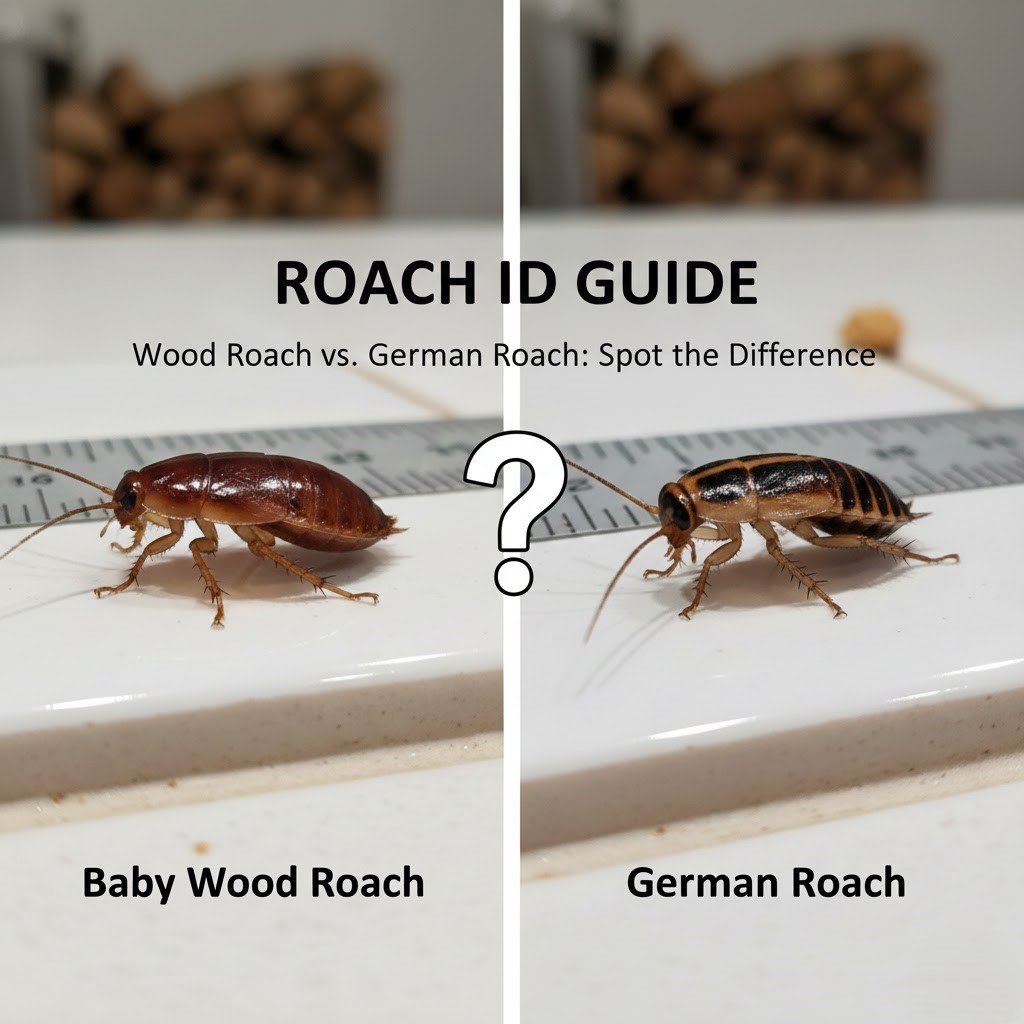
Finding a small, scurrying insect in your home is always a cause for concern, but the baby wood roach presents a unique psychological challenge. Unlike the common German cockroach, which thrives in kitchens and bathrooms, the wood roach is an accidental invader from the great outdoors. However, to the untrained eye, a baby wood roach looks almost identical to its more sinister, home-infesting cousins.
Understanding the biology and behavior of these insects is the difference between an unnecessary, expensive chemical treatment and a simple, DIY exclusion strategy. If you’ve spotted a baby tree roach near a window or door, this guide will provide the expertise you need to identify the species, assess the risk, and implement the right solution.
What is a Baby Wood Roach?
The term “wood roach” typically refers to the Parcoblatta genus. Unlike “domestic” roaches, these are “peridomestic” or purely outdoor insects. A baby wood roach—or nymph—is the immature stage of this species. In the wild, they serve a vital ecological role by breaking down decaying organic matter, such as fallen logs and leaf litter.
They are most active during the late spring and summer months, particularly during the mating season when adult males are attracted to lights. However, the nymphs often wander indoors by mistake, seeking moisture or accidentally hitchhiking on firewood.
👉 Read Our Guide About How To Kill Baby Roaches In Kitchen Cabinets And Counters
Key Physical Characteristics
To identify a baby wood roach, you need to look closely at its anatomy. Unlike adults, nymphs do not have fully developed wings.
- Color: Usually a consistent reddish-brown to dark brown. They lack the two dark vertical stripes on the head shield (pronotum) that characterize the dreaded German cockroach.
- Size: Nymphs can range from 2mm to 15mm depending on their molting stage.
- Shape: They have a flatter, more “oval” appearance compared to many beetles.
Baby Wood Roach vs. German Roach: The Critical Difference
Misidentification is the most common mistake homeowners make. Treating a baby wood roach with the same aggressive baiting used for house roaches is often ineffective because their diets and habitats are completely different.
Comparison Table: Spotting the Difference
| Feature | Baby Wood Roach (Tree Roach) | Baby German Roach (Kitchen Roach) |
| Markings | Solid brown/tan; no distinct stripes. | Two dark longitudinal stripes behind the head. |
| Habitat | Woodpiles, leaf litter, mulch. | Kitchens, bathrooms, warm appliances. |
| Behavior | Active in daylight; not afraid of humans. | Nocturnal; runs away when lights turn on. |
| Infestation | Does not breed indoors; accidental visitor. | Breeds rapidly in indoor crevices. |
| Light Response | Attracted to light. | Avoids light. |
Why Is a Baby Tree Roach in My House?
If you find a baby tree roach inside, it is almost certainly an accident. Unlike the common cockroach, wood roaches require high humidity and consistent moisture found in decaying wood to survive. The dry air of a climate-controlled home is usually lethal to them within a few days.
Common Entry Points
- Firewood: This is the #1 way nymphs enter the home. They hide under the bark of logs brought inside.
- Windows and Doors: Small gaps in weatherstripping or holes in window screens allow wandering nymphs to crawl inside.
- Light Attraction: While nymphs don’t fly, they follow adult males who are aggressively attracted to porch lights.
- Cedar Shingles: If your home has wood siding, it provides a natural habitat for a baby tree roach to climb and eventually find a gap into the attic.
The Life Cycle of the Wood Roach
Understanding the timeline of these insects helps manage expectations for how long they might be visible around your property.
- Eggs: Females deposit egg capsules (oothecae) under the bark of dead trees during the summer.
- Nymphal Stage: The baby wood roach emerges and will molt several times over the course of one to two years. This slow maturation is why they don’t “overrun” a house like German roaches, which mature in weeks.
- Adult Stage: Once they reach adulthood, males develop long wings and become strong fliers, while females remain flightless.
According to the University of Kentucky Entomology department, wood cockroaches are not considered significant pests because they cannot sustain a population indoors. They are “nuisance” pests rather than “infestation” pests.
How to Manage Wood Roaches Effectively
Because the baby wood roach doesn’t want to be in your house, the focus should be on exclusion and habitat modification.
1. Firewood Management
Never store firewood inside your home. Only bring in the wood you intend to burn immediately. If a baby tree roach is clinging to a log, it will “wake up” in the warmth of your living room.
2. Landscaping and Moisture
- Clear the Perimeter: Maintain a 12-inch “dead zone” (gravel or bare dirt) between your home’s foundation and any mulch.
- Clean Gutters: Debris in gutters creates a perfect high-moisture breeding ground.
- Repair Leaks: They are drawn to damp crawlspaces or leaking outdoor spigots.
3. Exclusion Tactics
- Seal the Gaps: Use silicone caulk to seal cracks around window frames.
- Yellow Bug Lights: Switch outdoor white bulbs for yellow bulbs. These are less attractive to the adult males, reducing the number of roaches drawn to your home.
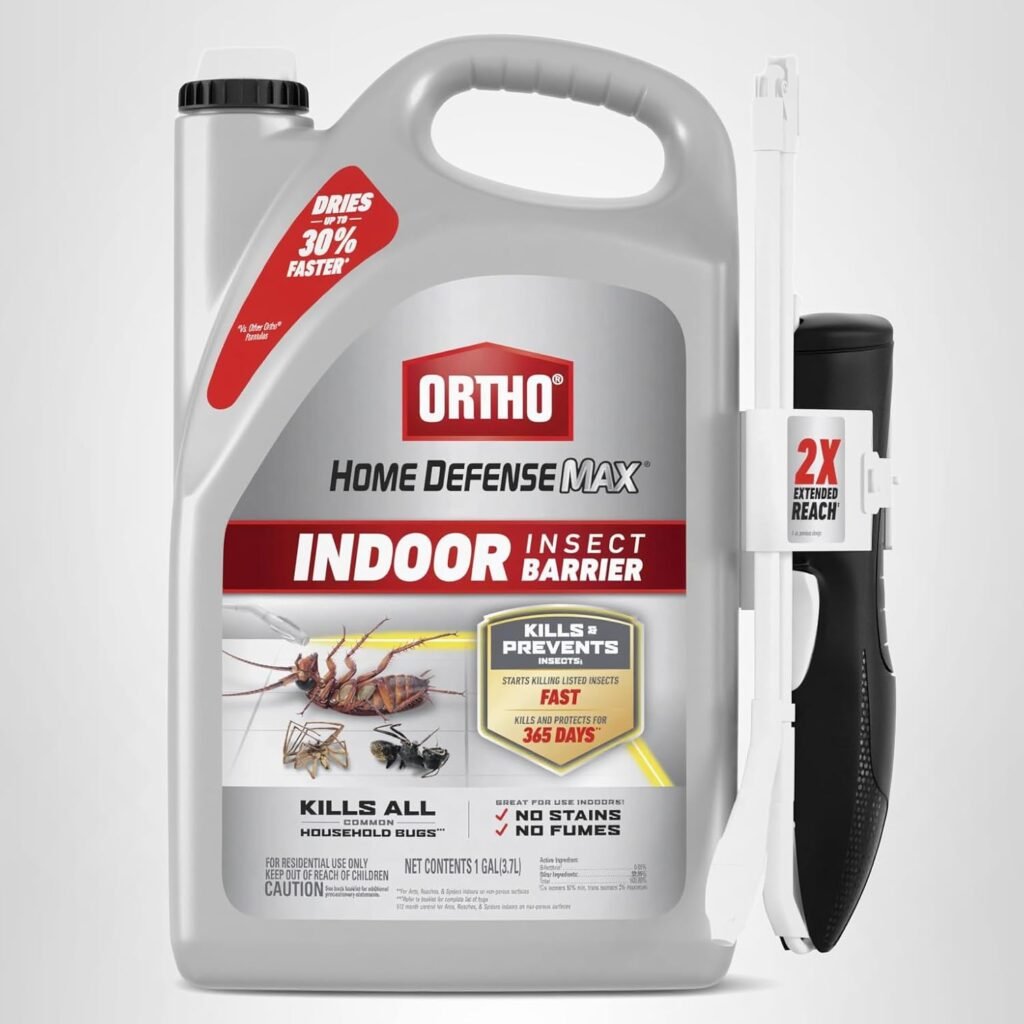
Product : Ortho Home Defense Max (The “Perimeter Shield”)
Start killing ants, roaches, spiders, fleas and ticks with Ortho Home Defense Max Indoor Insect Barrier
Integrated Pest Management (IPM)
Professional pest controllers use a system called IPM. For a baby wood roach, this means:
- Identification: Confirming it is not a German or Oriental roach.
- Sanitation: Removing the leaf litter and woodpiles near the house.
- Physical Barriers: Closing the entry points.
- Minimal Chemical Use: Applying a perimeter granular bait only if the outdoor population is excessive.
For more detailed strategies on managing outdoor pests that wander indoors, you might find
👉 Read Our Guide About Why Am I Seeing Baby Roaches After Extermination?
FAQ: Frequently Asked Questions
Is a baby wood roach dangerous?
No. Wood roaches do not bite, sting, or carry the same types of bacteria associated with sewer-dwelling roaches. They are primarily a nuisance.
Do wood roaches eat wood like termites?
No. Despite their name, they do not eat the structural wood of your home. They eat decaying organic matter, fungi, and algae.
Will a baby wood roach infest my kitchen?
It is highly unlikely. Wood roaches need very high humidity to survive. The typical indoor environment is too dry for them to live long enough to reproduce.
Why am I seeing so many baby wood roaches in June?
Late spring and early summer are the peak activity periods for wood roaches. This is when they are most active in their natural habitat, leading to more accidental indoor sightings.
Can I use store-bought roach spray?
You can, but it is usually unnecessary. A vacuum or a soapy water spray is just as effective for an accidental invader and avoids the use of harsh chemicals in your home.
Conclusion
Finding a baby wood roach in your home is rarely a cause for alarm. Unlike the pest species that haunt kitchens and bathrooms, these insects are simply outdoor creatures that have lost their way. By focusing on identifying the lack of stripes on the nymph’s head and implementing simple exclusion techniques like managing firewood and sealing window gaps, you can keep your home pest-free without the need for intensive chemical treatments.
Key Takeaways:
- Identify correctly: Wood roach nymphs lack the stripes found on German roaches.
- Don’t panic: They do not breed indoors and typically die from dehydration.
- Exclusion over chemicals: Focus on sealing gaps and moving woodpiles.
- Moisture is the magnet: Keep your gutters clean and your foundation dry.
Maintain a proactive approach to your home’s exterior, and you’ll find that these “accidental invaders” become a thing of the past.
1 thought on “Baby Wood Roach Vs German Roach: How To Tell The Difference”