Walking into your kitchen late at night and spotting a tiny, scurrying speck can trigger an immediate sense of dread. You find yourself wondering, how small are baby roaches, and more importantly, is what I just saw a sign of a much larger problem? Identifying these pests at their earliest stage is critical because a single sighting often indicates a nesting colony nearby.
Baby roaches, scientifically known as nymphs, are significantly smaller than their adult counterparts, often making them difficult to spot and even harder to identify. Depending on the species, a baby roach can be as small as a grain of rice or even a speck of dust. Understanding the specific baby roach size and physical characteristics of different species is the first step in reclaiming your home from these resilient invaders.
Understanding Baby Roach Size by Species
Not all cockroaches are created equal. The size of a nymph depends entirely on its species. Since common household roaches vary in adult size, their offspring follow suit.
German Cockroach Nymphs
The German cockroach is the most common indoor species. If you are asking how small baby roaches are in a residential setting, you are likely looking at these.
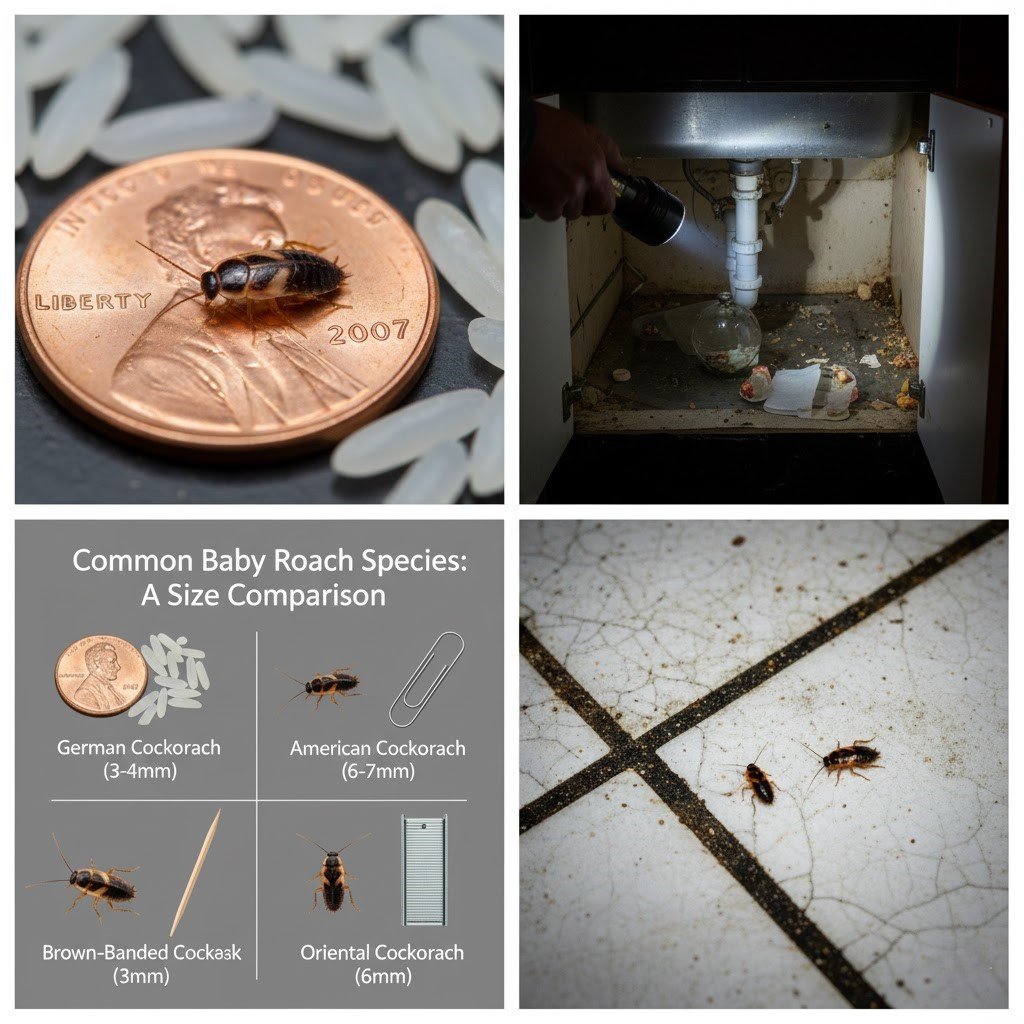
- Initial Size: Upon emerging from the egg case (ootheca), they are roughly 3mm (1/8 inch) long.
- Appearance: They are dark brown to black with a distinct light stripe running down their backs.
- Growth: They go through several “instars” (molting stages), growing slightly larger each time until they reach about 15mm.
American Cockroach Nymphs
American Cockroaches are the “giants” of the roach world. While the adults can be massive, the babies start surprisingly small.
- Initial Size: Roughly 6mm to 7mm (1/4 inch).
- Appearance: They are reddish-brown and lack the wings found on adults.
- Growth: They can take over a year to reach full maturity, staying in the nymph stage much longer than other species.
Brown-Banded Cockroach Nymphs
These roaches prefer dry, warm areas like electronics or upper cabinets.
- Initial Size: Approximately 3mm.
- Appearance: They are easily identified by two light-colored bands stretching across their abdomen and thorax.

Baby German cockroaches are incredibly small, often appearing no larger than a few millimeters when they first hatch
Key Physical Characteristics: What Do They Look Like?
Size isn’t the only factor. To accurately answer “how small are baby roaches,” you have to look at the anatomy. Even at a few millimeters long, they share specific traits:
- Flat Bodies: Like adults, nymphs are dorsoventrally flattened, allowing them to squeeze into cracks thinner than a credit card.
- Long Antennae: Even the smallest nymphs have antennae that are often as long as their bodies.
- No Wings: This is the biggest differentiator. While some adult roaches have wings, baby roaches never have fully developed wings. They may have small “wing pads,” but they cannot fly.
- Coloration: Most start very dark (almost black) and lighten to a reddish-brown or tan as they age and molt.
Read More About: Do Baby Cockroaches Fly? Facts About Roach Wings and Growth
Why Baby Roach Size Matters for Homeowners
The reason the baby roach size is so important is that it dictates how they enter your home and where they hide. Because they are so small, they can inhabit “micro-habitats” that adults cannot.
- Entry Points: A nymph can crawl through the tiniest gap in a window screen or under a door sweep that appears flush to the human eye.
- Detection Challenges: Their size makes them nearly invisible in dark corners, behind baseboards, or inside the motors of kitchen appliances.
- Population Density: Because they require less food and space, hundreds of baby roaches can live in a single square foot of space without being detected immediately.
Common Look-Alikes: Is It Really a Roach?
Because baby roaches are so small, they are frequently confused with other common household insects. Before you panic, check if you are actually looking at:
| Pest | Key Difference from Baby Roach |
| Bed Bugs | Bed bugs are flatter, rounder (apple seed shape), and do not have long antennae. |
| Beetles | Beetles have hardened wing covers (elytra) and lack the long cerci (tail spikes) of a roach. |
| Crickets | Crickets have large back legs designed for jumping; baby roaches are strictly crawlers. |
| Booklice | These are much smaller (1-2mm) and usually translucent or white. |
Product: Catchmaster Cricket & Roach Glue Traps
READY TO USE: The sticky insect and mouse pad are intended for use without rat or mouse bait. For best use, leave the mouse trap with paper on so pests and rodents can acclimate to the trap, then place the rodent and insect trap along known or suspected pathways. Our products are tested under the harshest field conditions to ensure maximum reliability for any level of pest control expert.

Where to Look for Tiny Nymphs
If you suspect you have spotted a nymph, you need to check their favorite hiding spots. Focus on areas that offer warmth, moisture, and darkness:
- Under Sinks: Check around the P-trap and where pipes enter the wall.
- Behind Appliances: The back of refrigerators and microwaves provide heat that nymphs crave.
- Cabinet Hinges: German cockroach nymphs love the tiny crevices inside cabinet hinges.
- Electronics: Game consoles, internet routers, and cable boxes are common hotspots.
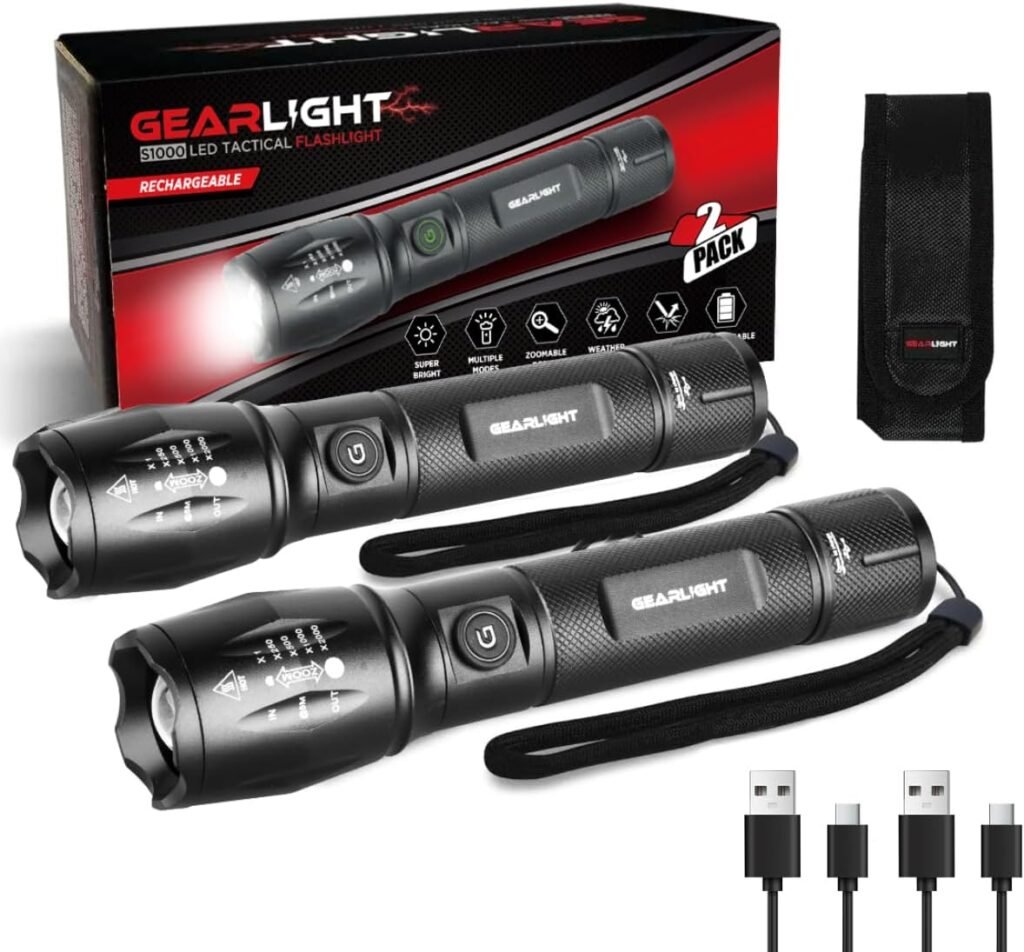

Using a high-powered flashlight is the best way to spot baby roaches hiding in dark crevices
The Danger of Ignoring “Just One” Small Roach
Finding one small roach is rarely an isolated incident. Because cockroaches are prolific breeders, seeing a nymph usually means there is an ootheca (egg case) nearby that has recently hatched. A single German cockroach egg case can contain up to 40 nymphs.
If you see a baby, the “nest” is likely within 10 to 20 feet. Ignoring them allows them to reach sexual maturity in as little as 30 to 60 days, leading to an exponential growth in the population that can quickly overwhelm a household.
Prevention and Early Intervention
To stop baby roaches from growing into a full-blown infestation, you must take immediate action:
- Eliminate Water: Fix leaky faucets and dry out sinks every night.
- Seal Food: Use airtight containers; even a few crumbs are a feast for a 3mm nymph.
- De-clutter: Remove cardboard boxes and paper bags, which provide both food (glue) and shelter.
- Seal Gaps: Use caulk to seal cracks in backsplashes and baseboards.
Expert Consultation for Persistent Issues
Managing a Baby Cockroach problem on your own can be an exhausting cycle of temporary fixes. If you have spotted tiny nymphs and want to ensure your home is protected with a long-term strategy, professional insight is invaluable. Our team specializes in identifying entry points and implementing professional-grade solutions that target roaches at every stage of their life cycle.
Ready to clear your home of pests for good? Reach out to us today to discuss your situation with a specialist who understands exactly what you’re up against.
Conclusion
In summary, answering how small are baby roaches reveals a range from 3mm to 7mm depending on the species. While their size makes them elusive, their presence is a significant warning sign that should never be ignored. By identifying these nymphs early—noting their lack of wings, long antennae, and specific hiding spots—you can intervene before a few small pests turn into a massive headache.
Stay vigilant, keep your environment dry and clean, and don’t hesitate to seek professional help if the tiny invaders keep appearing. A proactive approach is the only way to ensure a roach-free home.
FAQ Section
Can baby roaches fly? No, baby roaches (nymphs) do not have functional wings. Even in species where adults fly, the nymphs only have small wing pads that do not allow for flight.
What color are baby roaches? Most baby roaches are dark brown or black when they first hatch. As they molt and grow, they may turn a more reddish-brown or tan color, depending on the species.
Do baby roaches bite? While cockroaches are technically capable of biting, it is extremely rare. They are not aggressive and do not feed on humans; they are much more interested in your crumbs and water.
How many babies are in a roach nest? A single egg case from a German cockroach can hold 30 to 40 nymphs. Over her lifetime, one female can produce hundreds of offspring, leading to thousands of roaches within a few months.
Are baby roaches hard or soft? Immediately after molting, a baby roach is white and very soft. Within a few hours, their new exoskeleton hardens and darkens, becoming the tough protective shell most people recognize.
Can I get rid of baby roaches with just cleaning? Cleaning is essential to remove food sources, but it is rarely enough to eliminate an existing colony. Because baby roaches are so small and hide in structural crevices, a combination of sanitation and targeted baiting or professional treatment is usually required.