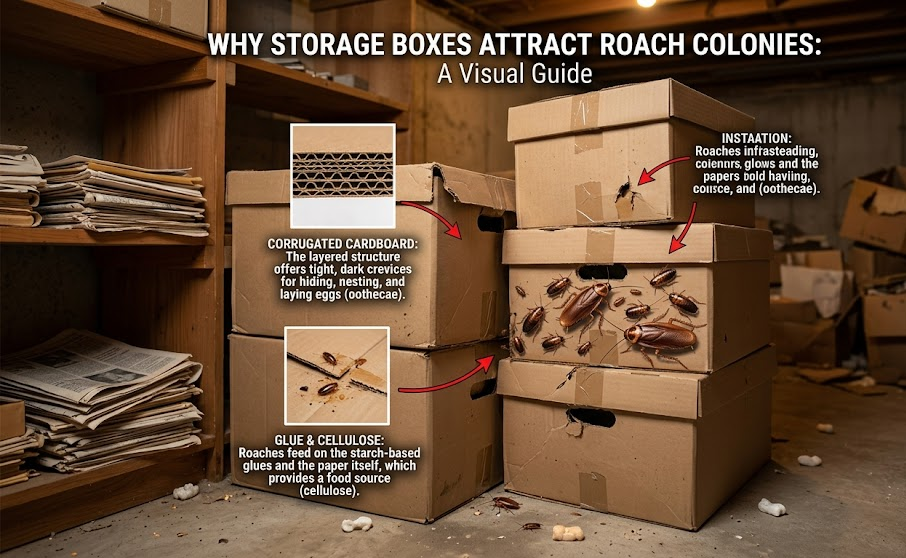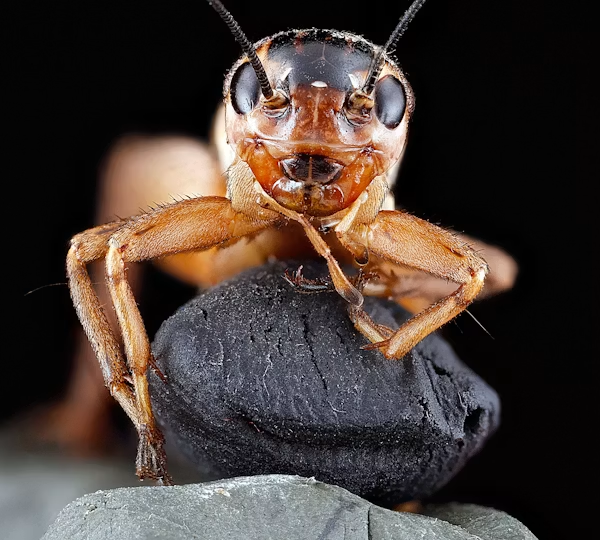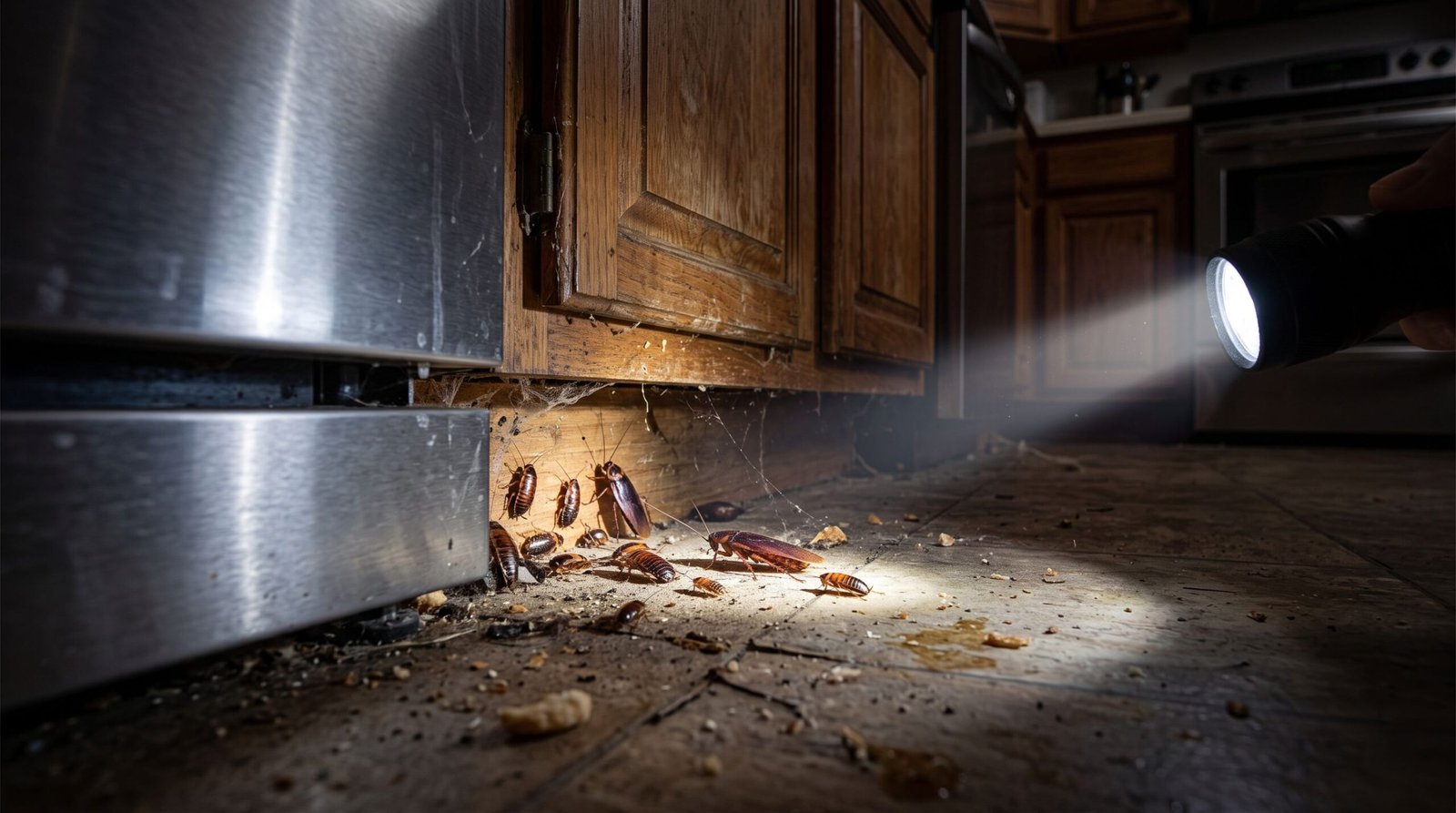
Seeing a cockroach scramble across your floor triggers an immediate biological disgust response. While your first instinct might be to buy a dozen aerosol bug bombs, doing so will only cause the nest to scatter deeper into your walls—instead, execute these three calculated steps right now to regain control of your home.
Step 1: Isolate and Remove All Water and Food Sources
You must put the colony on an immediate fast. Cockroaches are highly resilient but rely heavily on easy access to moisture and crumbs. If they cannot eat or drink tonight, their breeding cycle slows down dramatically.
- Dry the Sinks: Wipe your kitchen and bathroom sinks completely dry with a paper towel before bed and cover the drains.
- Secure the Trash: Take the trash out to the exterior bins immediately. Do not leave food scraps sitting indoors overnight.
- Lock Down Food: Put all exposed food—including the dog bowl, a loaf of bread, and open cereal boxes—into the refrigerator or into hard, airtight plastic containers.
- Check Hidden Moisture: Look under your appliances for standing condensation, particularly beneath the refrigerator, dishwasher, and washing machine.
Step 2: Deploy Sticky Traps for Reconnaissance
Before spraying chemicals indiscriminately, you need to know exactly where the enemy is coming from. Blindly spraying baseboards wastes time and money.
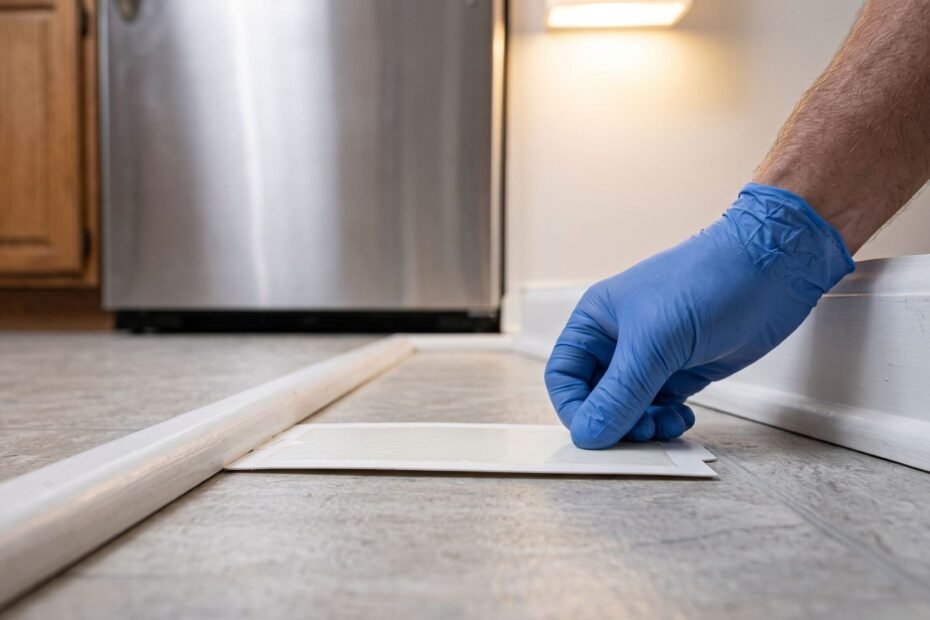
- Purchase Glue Boards: Buy a pack of flat, cardboard sticky traps from your local hardware store.
- Strategic Placement: Place them flush against the baseboards in your kitchen, behind the toilet, next to the refrigerator, and under the sinks. Cockroaches navigate by following edges, so traps in the middle of the room will remain empty.
- Analyze the Data: Check them in 24 to 48 hours. The trap with the highest concentration of bugs points directly to the location of the nest and their primary travel routes.
Step 3: Seal the Obvious Entry Points
Stop the bleeding by cutting off their access routes. Cockroaches do not chew through walls; they exploit existing gaps to travel between rooms and into your home from the outside.
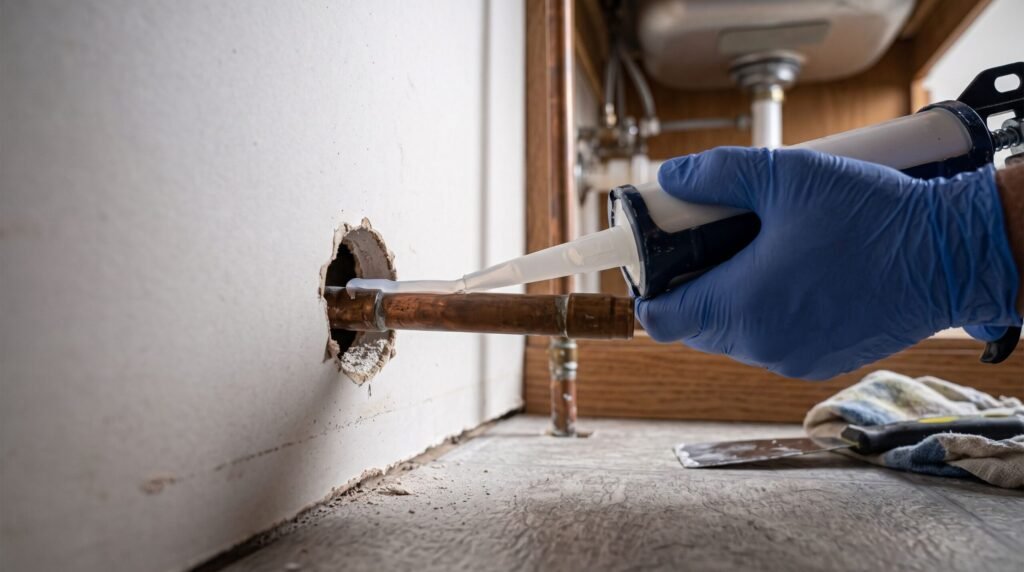
- Caulk Plumbing Gaps: Grab a tube of silicone caulk and seal the openings around your under-sink plumbing pipes where they enter the drywall.
- Weatherstripping: Ensure the weatherstripping around your front and back doors is tight enough that no daylight shines through the bottom. Install a door sweep if necessary.
- Repair Screens and Vents: Patch or replace any torn window screens and ensure exterior vent covers are intact and properly seated.
Reclaiming Your Space
Reacting strategically rather than out of panic is the secret to permanent pest control. By eliminating their life-support systems, pinpointing their exact location with traps, and sealing their highways, you lay the groundwork for targeted treatments like gel baits and Insect Growth Regulators. Stay consistent with these sanitary and structural defenses, and you will force the colony out of your living space for good.
Frequently Asked Questions (FAQ)
1. Should I squash a cockroach if I see one?
Yes, squashing a cockroach kills the immediate threat, but be sure to clean the area thoroughly with antibacterial spray afterward. Cockroaches carry bacteria, and their crushed bodies emit pheromones that can attract other roaches to the area.
2. Why shouldn’t I use a bug bomb or fogger?
Bug bombs release an aerosol cloud that settles on exposed surfaces but fails to penetrate deep into wall voids where roaches actually nest. The irritating chemicals simply force the surviving roaches to scatter and infest new, previously clean rooms in your house.
3. How long can a cockroach survive without food or water?
A cockroach can survive for up to a month without food, making starvation a slow process. However, they can only survive for about a week without water, which is why drying your sinks and fixing plumbing leaks is your most powerful weapon.
4. Do cockroaches travel alone?
Rarely. Cockroaches are social insects that live in large aggregations. If you see one foraging out in the open during the day, it often indicates a severe infestation where overcrowding has forced it out of the nest to find resources.
5. What is the most effective bait for cockroaches?
Professional-grade gel baits (containing active ingredients like Indoxacarb, Fipronil, or Dinotefuran) are highly effective. Place pea-sized drops near the areas where your sticky traps caught the most roaches, allowing them to carry the poison back to the colony.
6. Will keeping the lights on keep cockroaches away?
No. While cockroaches are nocturnal and generally scatter when lights are suddenly turned on, leaving lights on constantly will not deter a hungry or thirsty roach from foraging. They will simply adapt and travel in the shadows behind furniture and appliances.