How to Roach-Proof Your Home Before Summer Heatwaves
Prepare your house for the impending summer roach surge with proactive exclusion, moisture mitigation, and yard defense strategies.
When summer temperatures climb into the 90s and triple digits, humans retreat indoors into air-conditioned comfort. Unfortunately, we aren’t the only ones looking to escape the scorching heat.
As summer heatwaves bake the soil and dry up natural puddles, outdoor pests face severe dehydration. Cockroaches—particularly large peridomestic species like American and Oriental roaches—will aggressively search for shade, cool air, and running water. Your climate-controlled, well-plumbed home becomes the ultimate oasis.
Waiting until you see a massive roach sprint across your living room floor means you are already playing defense. Taking proactive steps to fortify your home before peak summer arrives is the key to keeping your living space completely pest-free.
Why Summer Heat Triggers Massive Roach Invasions
To defend your home, it helps to understand why summer weather causes insect populations to spike:
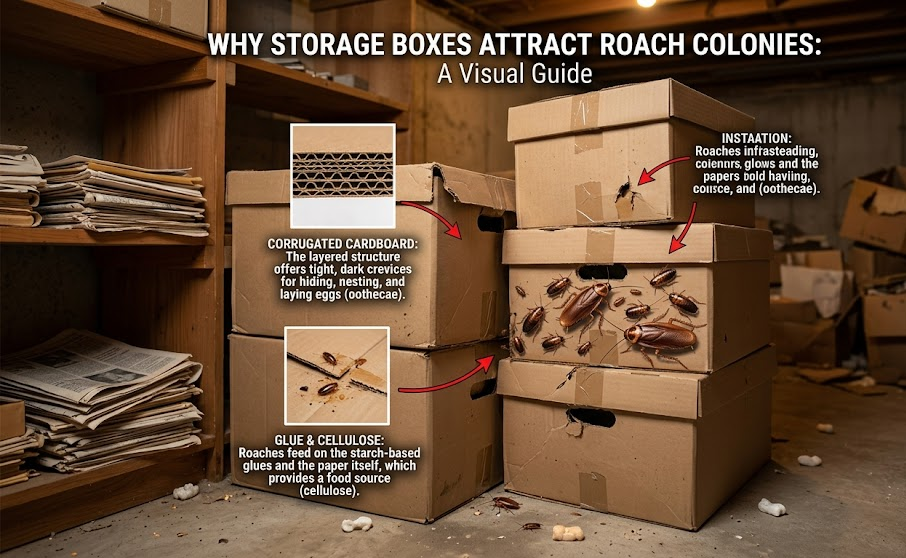
- Accelerated Metabolic Rates: Cockroaches are cold-blooded ectotherms. Higher temperatures speed up their metabolism, causing nymphs to molt faster, adults to feed more aggressively, and females to produce egg capsules (oothecae) in record time.
- The Drought Effect: Outdoor water sources (morning dew, garden soil moisture, birdbaths, and street gutters) evaporate rapidly during a heatwave. Dehydration is a cockroach’s greatest biological weakness; when outdoor water vanishes, indoor plumbing draws them like a magnet.
- Overcrowded Outdoor Harborages: High reproductive rates combined with shrinking outdoor territory force surplus roach populations to migrate inward through foundations, weep holes, and rooflines.
1. Exterior Armor: Caulking, Weatherstripping, and Exclusion
An adult cockroach can flatten its flexible exoskeleton to squeeze through a gap as thin as a standard coin. Your first line of defense is inspecting and sealing your home’s outer envelope.
- Inspect the Foundation & Siding: Walk the exterior perimeter with a caulking gun. Seal visible foundation cracks, gaps around dryer vents, electrical conduit entries, and siding seams using high-grade exterior silicone-acrylic caulk or expandable foam.
- Install Heavy-Duty Door Sweeps: The gap beneath exterior entry doors is the #1 highway for invading American roaches. Install commercial-grade rubber or brush door sweeps on all exterior doors. If you can see daylight beneath the door, a roach can walk right in.
- Replace Worn Weatherstripping: Check the seals around window frames and garage door perimeters. Replace cracked, peeling, or brittle weatherstripping.
- Protect Brick Weep Holes: Never caulk weep holes shut (your walls need ventilation). Instead, insert stainless steel wire mesh or specialized weep-hole covers that allow airflow while blocking insect entry.
2. Air Conditioning Units & Ventilation Corridors
Your air conditioning system keeps your family cool, but poorly secured units provide easy entryways and constant hydration for pests.
- Seal Window A/C Units: Window units frequently leave small gaps between the side accordion panels and the window sash. Pack these gaps tightly with high-density foam weather seal tape or clear silicone seal sheets.
- Divert A/C Condensation Lines: Central A/C compressors generate gallons of condensation runoff daily. If the drip line empties right next to your home’s foundation, it creates an ideal swampy watering hole. Extend the condensate drain line so it discharges at least 5 to 10 feet away from the foundation.
- Screen Attic and Crawlspace Vents: Cover exterior attic soffits, gable vents, and crawlspace air vents with 1/8-inch galvanized hardware cloth to prevent roaches from flying or crawling into upper attics.
3. Plumbing & Moisture Defense: Cutting Off the Oasis
Because roaches can survive for weeks without food but will perish in days without water, moisture control is your most powerful internal barrier:
- Maintain Infrequently Used Drains: American roaches frequently crawl up dry sewer pipes. Pour a bucket of water down guest bathroom showers, basement floor drains, and utility sinks once a week to ensure the P-traps stay full of water, blocking sewer gas and insects.
- Inspect Under-Sink Cabinetry: Check supply lines under kitchen and bathroom sinks for minor drips or pipe condensation. Wrap sweating cold-water pipes with insulating foam tape.
- Empty Refrigerator Drip Pans: Clean and dry the shallow condensation pan located beneath your refrigerator motor, which provides warmth and consistent water.
- Lower Indoor Humidity: Run a dehumidifier in damp basements and crawlspaces to keep ambient indoor humidity below 50%.
4. Yard Landscaping: Pushing the Perimeter Back
Your yard acts as a protective buffer zone. Overgrown landscaping and decaying plant debris right against the house invite outdoor roaches onto your exterior walls.
| Yard Element | Why It Attracts Roaches | Prevention Fix |
| Wood Mulch Beds | Holds damp moisture; decaying cellulose serves as food. | Keep mulch at least 12 inches away from exterior walls; use crushed stone/pea gravel borders instead. |
| Overhanging Tree Limbs | Creates physical bridges to second-story windows and rooflines. | Trim back branches and shrubs so they sit at least 2 to 3 feet away from siding and roofs. |
| Clogged Gutters | Traps wet decaying leaf litter and standing rainwater. | Clean gutters and downspouts thoroughly before the summer season begins. |
| Lawn Sprinkler Timing | Night watering keeps topsoil damp all night long. | Switch sprinkler timers to early morning so sunlight dries surface grass quickly. |
Pre-Summer Roach-Proofing Checklist
- Pour water and a dash of mineral oil down basement floor drains to keep P-traps sealed.
- Install heavy-duty door sweeps on front, back, and garage doors.
- Seal gaps around outdoor hose spigots and utility pipes with exterior silicone caulk or copper mesh.
- Secure window A/C units with foam insulation strips.
- Extend central A/C condensate drip lines away from the home’s foundation.
- Clean roof gutters and remove damp leaf piles from around the house.
- Move firewood stacks and compost piles at least 20 feet away from exterior walls.
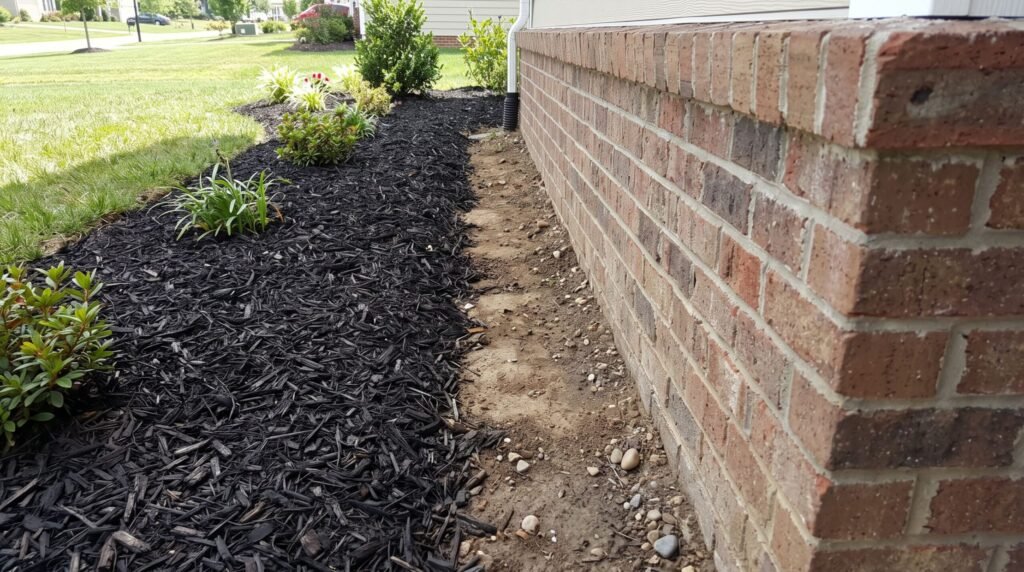
Conclusion: Proactive Defense Beats Summer Infestations
When a summer heatwave strikes, roaches do not invade out of malice—they invade out of biological desperation for water and shade.
Treating your home after dozens of roaches have already established indoor harborages is difficult, stressful, and costly. By fortifying your home’s exterior armor, sealing entry gaps around doors and cooling units, managing yard buffers, and eliminating accessible indoor moisture, you cut off their entry points and hydration sources.
A well-sealed, dry home is the strongest deterrent against summer pest surges, ensuring your living space stays clean and protected all season long.
Frequently Asked Questions (FAQ)
1. Why do I see large cockroaches flying inside only during summer heatwaves?
Large species like the American cockroach and Smokybrown cockroach are capable flyers, but they typically only fly when ambient temperatures rise above 85°F (29°C). The extreme heat warms their flight muscles, allowing them to launch from trees, roofs, and fences directly onto upper balconies, open windows, and patio doors.
2. Does running my indoor air conditioner colder keep roaches away?
Air conditioning helps by keeping indoor air dry and comfortable, but cold air alone will not repel cockroaches. In fact, if exterior temperatures exceed 100°F (38°C), the cool air escaping through tiny cracks and loose window seals can actively attract heat-stressed outdoor roaches toward your home.
3. How do weep holes in brick walls let cockroaches in, and how should I cover them safely?
Weep holes are designed to allow trapped moisture inside brick cavity walls to drain out. However, they are large enough for American and Oriental roaches to crawl inside and access wall voids. Do not seal weep holes with caulk or expanding foam, as this causes internal water damage. Instead, insert stainless steel wire mesh inserts or specialized plastic weep hole covers that allow drainage while blocking pests.
4. What outdoor perimeter treatments work best before a heatwave strikes?
Applying a weather-resistant granular insect bait or a microencapsulated residual liquid insecticide around the foundation perimeter, flower beds, and crawlspace entries in late spring creates a protective barrier that kills foraging roaches before they reach your doors.
5. Why do cockroaches crawl up through sink and shower drains during dry spells?
During summer droughts, municipal sewer lines and storm drains dry out, forcing large sewer roaches to travel upward through plumbing pipes in search of moisture. If a sink or shower is rarely used, the protective water barrier inside the P-trap pipe dries out, giving roaches a direct, open tunnel straight into your bathroom or kitchen.
6. Can I use expanding foam to seal cracks around pipes and foundations?
Standard expanding polyurethane foam can fill large voids, but determined roaches and rodents can occasionally chew through soft foam over time. For best results, pack the void with copper mesh or stainless steel wool first, then apply expanding foam or silicone caulk over the top to lock it securely in place.
7. How does summer humidity affect roach egg hatching rates?
High humidity and temperatures between 80°F and 90°F create the ideal incubation environment for cockroach egg capsules (oothecae). Under these conditions, the incubation period drops from nearly two months down to under 30 days, causing localized populations to multiply twice as fast compared to cooler seasons.