Interrupt the cockroach breeding cycle! Learn how to target ootheca egg cases, deploy IGRs, use gel baits, and monitor progress with sticky traps.
The Exponential Growth of a Cockroach Infestation
Exponential Growth – Development at an increasingly rapid rate in proportion to the growing total number or size, leading to massive population booms in pest colonies.
Cockroaches are a numbers game. A single female German cockroach can lay an egg case containing up to 50 eggs. Those 50 babies will mature into breeding adults in just a few months, and half of them will be females ready to lay 50 eggs of their own. Stopping the nymphs before they reach sexual maturity is the only way to crash this exponential population growth.
Targeting the Ootheca (Egg Case): Stop Them Before They Even Hatch
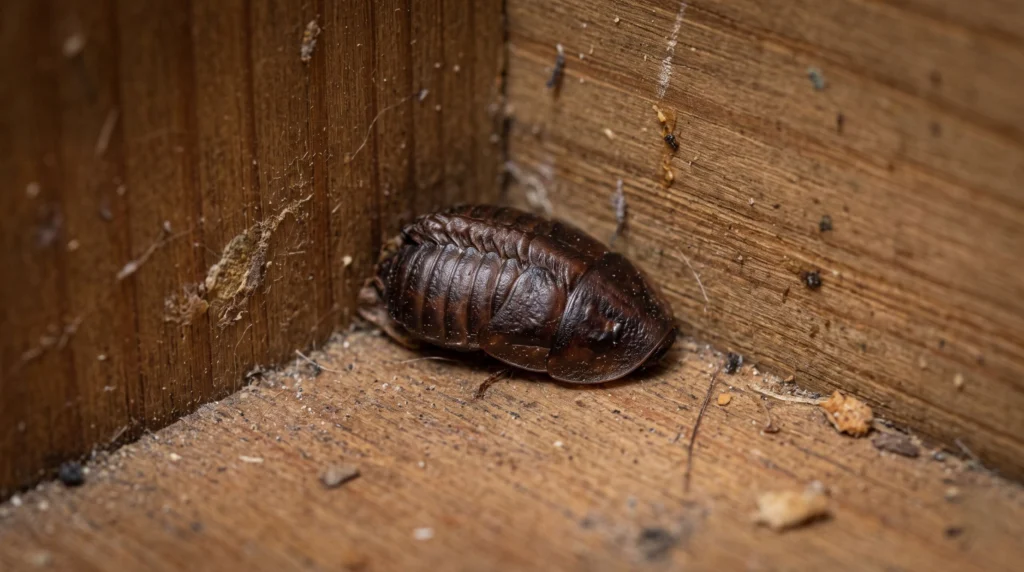
Ootheca – A rigid, pill-shaped protective capsule produced by female cockroaches that safely houses and incubates multiple eggs until they are ready to hatch.
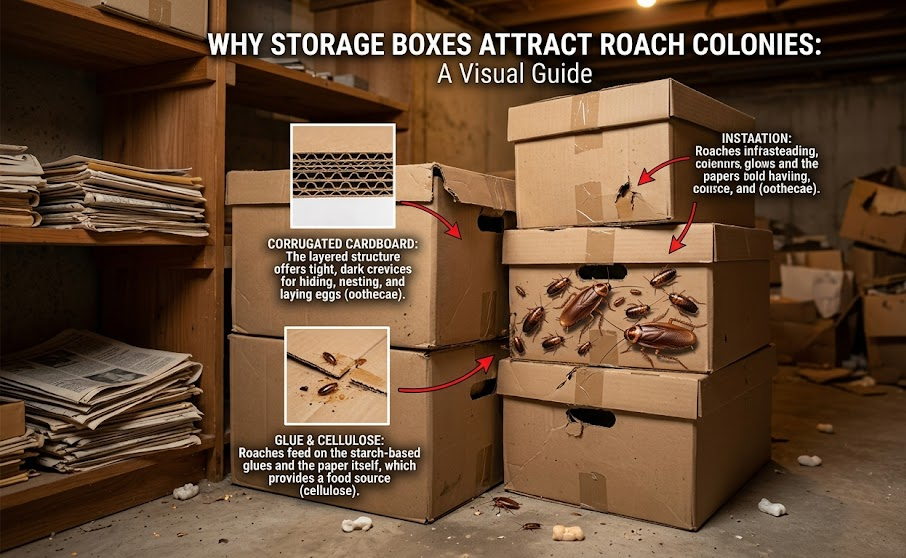
The best way to stop baby roaches is to destroy them before they emerge. Keep a close eye out for empty or dropped oothecae. If you find dark brown, ribbed capsules hidden in the corners of your pantry or under your furniture, vacuum them up immediately and dispose of the bag outside.
Using Insect Growth Regulators (IGRs): The Secret to Breaking the Breeding Cycle
Insect Growth Regulator (IGR) – A chemical substance that mimics natural insect hormones, specifically disrupting the molting process and preventing juvenile insects from developing into reproductive adults.
This is the secret weapon of professional exterminators. IGRs do not kill cockroaches outright; instead, they essentially act as birth control for the nest. When nymphs are exposed to an IGR, their bodies become permanently deformed during the molting process. They never develop wings, and more importantly, they are rendered entirely sterile. Mixing an IGR spray with your baiting routine ensures the colony will inevitably die out.
Deploying Gel Baits and Boric Acid for Rapid Nymph Eradication
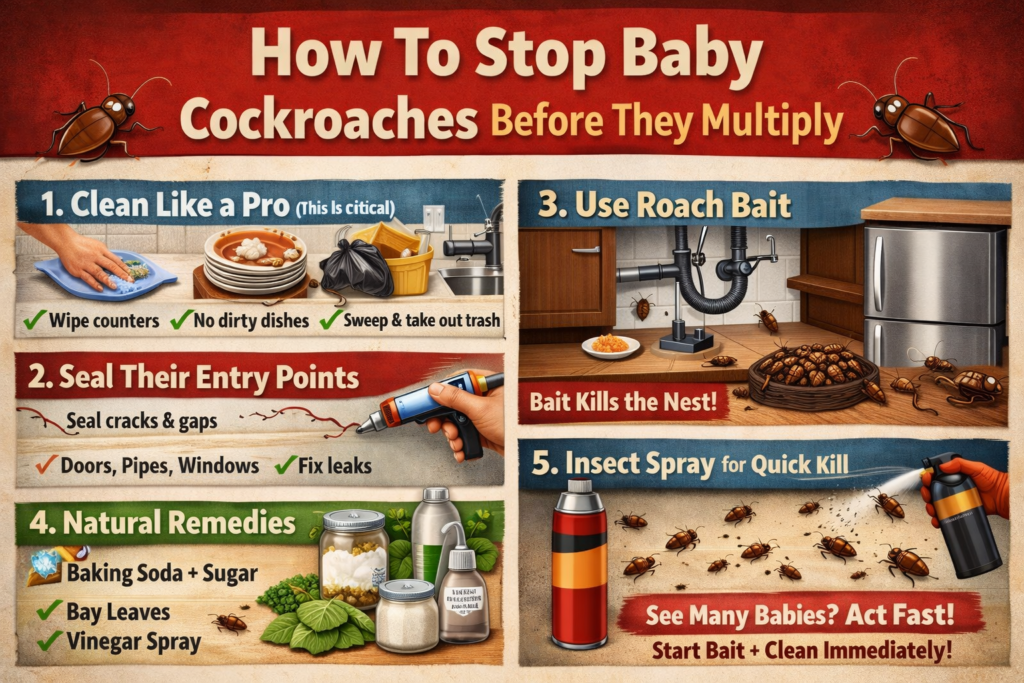
While IGRs handle the long-term sterilization, you still want to kill the active nymphs. Young roaches cannot travel far from the nest, so you must bring the poison to them. Lightly dust boric acid in the deep voids under your bottom cabinets, and apply small dots of gel bait directly onto cabinet hinges where the nymphs are hiding.
Cutting Off Essential Water and Food Sources Immediately
Nymphs are highly vulnerable to dehydration. Wipe your sinks completely dry before going to bed. Put stoppers over your drains. Ensure no pet food is left out overnight. If the babies cannot find water within a few days, they will not survive long enough to molt.
How to Monitor Your Progress with Sticky Traps
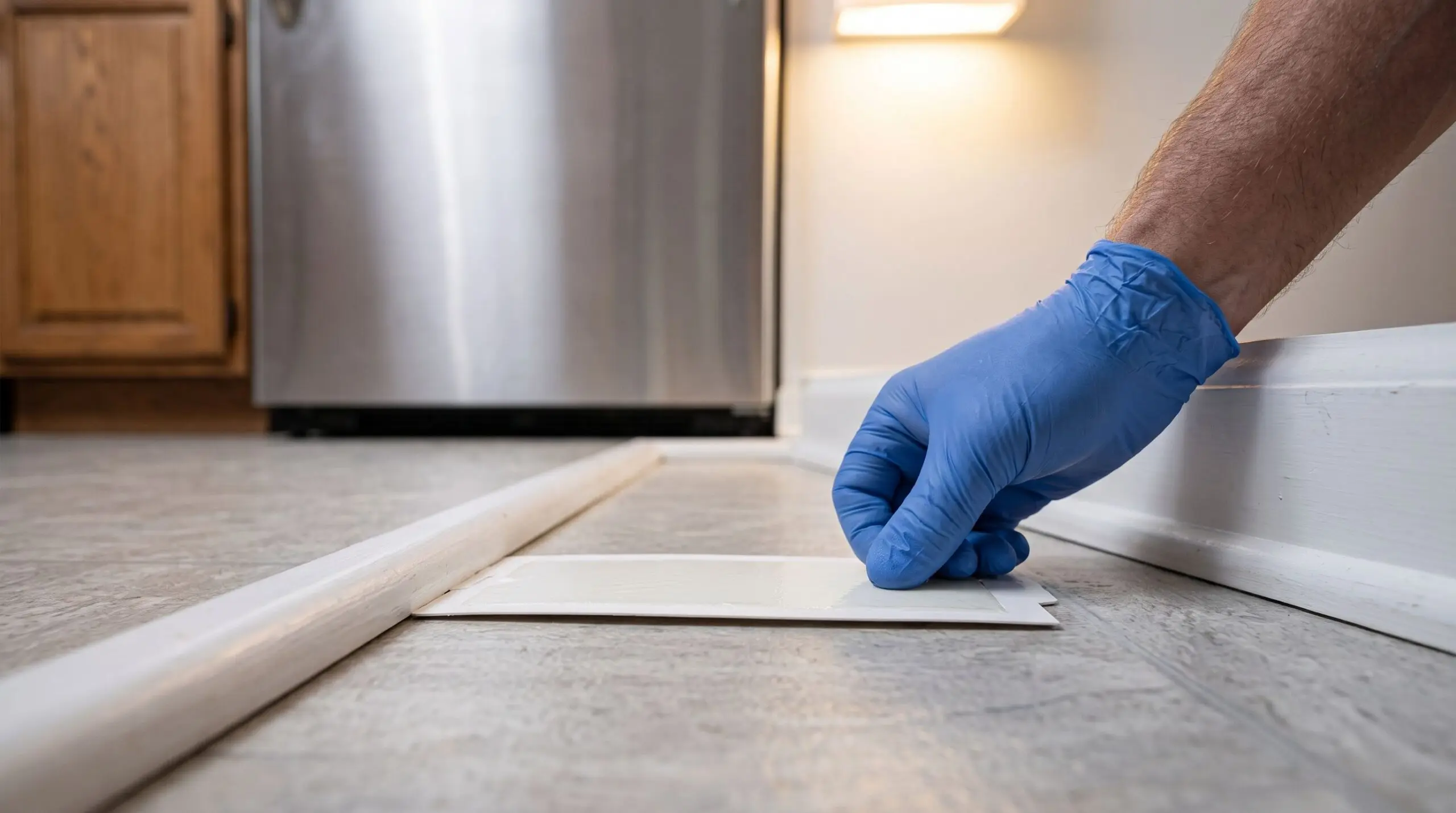
Place flat sticky traps flush against the walls in high-traffic areas. Check them weekly. If the traps are catching mostly large adults, your population is aging out. If the traps are suddenly covered in tiny, pepper-sized nymphs, it means a new egg case has just hatched, Key Characteristics
FAQ: Managing Baby Roaches
- How long does it take for a baby cockroach to become an adult?
- It depends on the species and temperature. A German cockroach can reach maturity in as little as 50 to 60 days in a warm kitchen. Other species, like the American roach, may take six months to a year.
- Can I use essential oils to get rid of them?
- While peppermint or eucalyptus oils can act as mild repellents, they will not kill a breeding colony. If you have baby cockroaches in house, you need more robust solutions like baits or IGRs.
- Are baby roaches more dangerous than adults?
- In terms of disease, they are equally dangerous. However, they are a “greater” threat because their presence proves that the roaches are successfully breeding in your environment.
- Where do baby roaches hide?
- They prefer dark, tight spaces. Common hiding spots include behind picture frames, inside electronics (like clocks or microwaves), under the lip of the countertop, and inside the folds of grocery bags.
- Do I need to throw away my food?
- Any open dry goods (cereal, flour, sugar) that show signs of roach activity or are in unsealed cardboard boxes should be discarded. Switch to airtight plastic or glass containers to protect your pantry.
Conclusion
Finding baby cockroaches in house is a stressful discovery, but it is a problem that can be solved with a disciplined approach. Remember that these pests are a symptom of environmental factors—moisture, heat, and food. By addressing these root causes and using targeted treatments like gel baits and IGRs, you can stop the lifecycle of the infestation.
Key Takeaways:
- Identify the species to choose the right treatment.
- Eliminate all moisture and food sources immediately.
- Use IGRs to prevent nymphs from becoming breeding adults.
- Don’t wait; a small group of babies can become hundreds of adults in just a few months.
Be proactive, stay consistent with your cleaning, and don’t hesitate to reach out for professional assistance if the situation scales beyond your control.