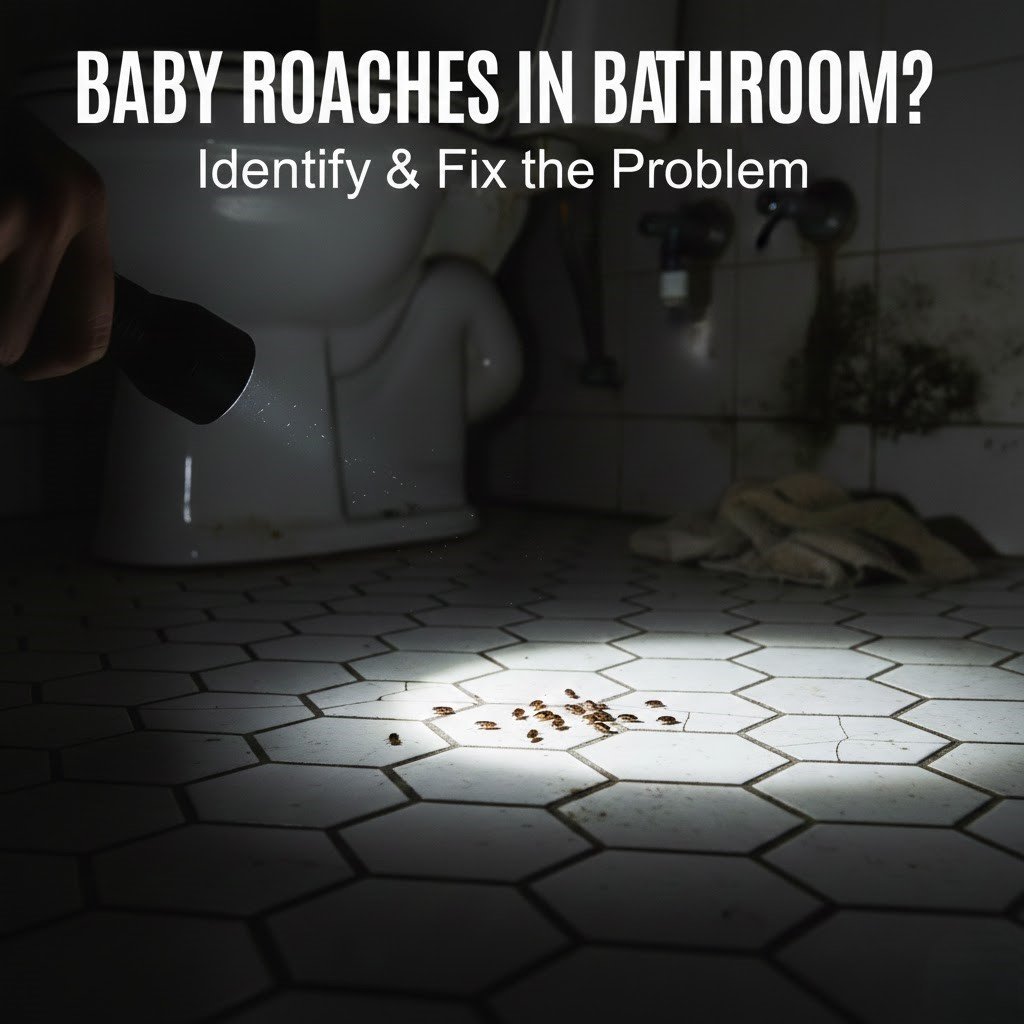
Discover why a single leaky pipe attracts cockroaches and learn actionable steps to dry out and fortify under-sink hiding spots to prevent roach nests.
The Hydration Station: Why Roaches Need Your Plumbing:
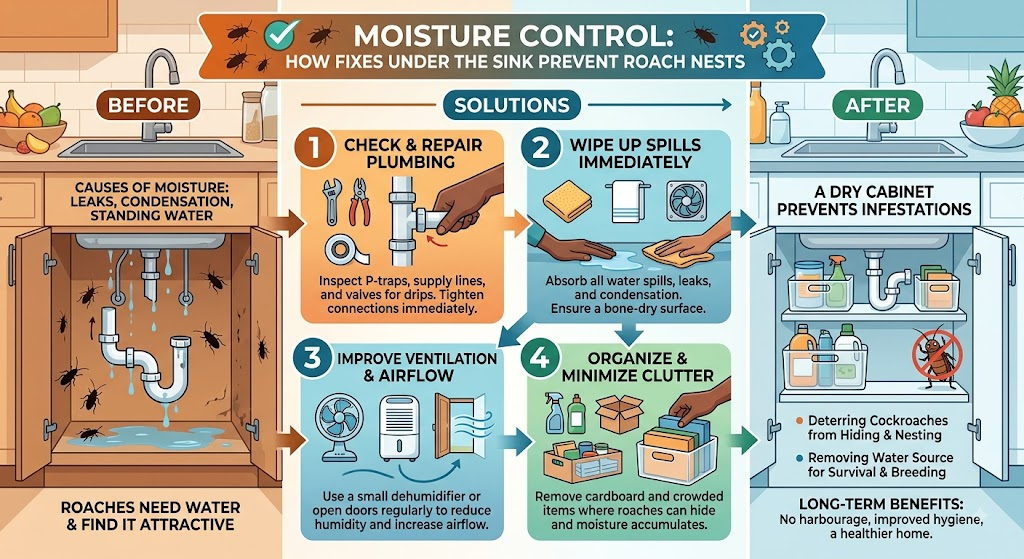
While a cockroach can survive for nearly a month without a single bite of food, they will die of dehydration within a week if they do not have access to water. This biological weakness is why kitchens and bathrooms are the most frequently infested rooms in a house. The dark, undisturbed cabinet void directly beneath your sink—combined with the condensation and drips from plumbing—provides the ultimate hydration station and nesting ground for these pests.
Identifying the Silent Leaks:
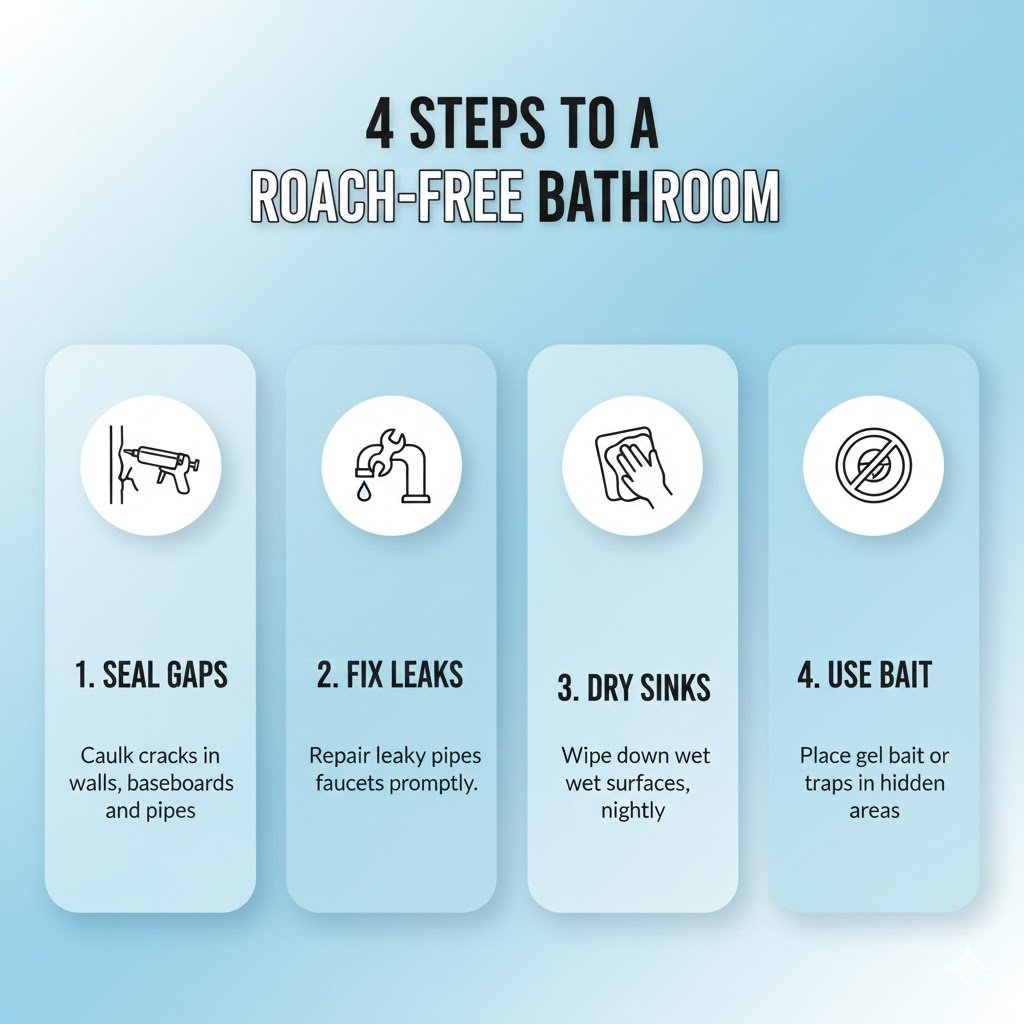
Not all leaks are obvious gushers. Cockroaches can thrive on microscopic amounts of water. Empty out the cabinet beneath your sink completely and inspect it with a bright flashlight. Run the water and look for slow, silent weeping around the P-trap, the shut-off valves, or the base of the faucet. Check the wood at the bottom of the cabinet for warping, dark stains, or a spongy texture, which indicates long-term moisture buildup. Fixing these minor plumbing issues immediately cuts off the colony’s lifeline.
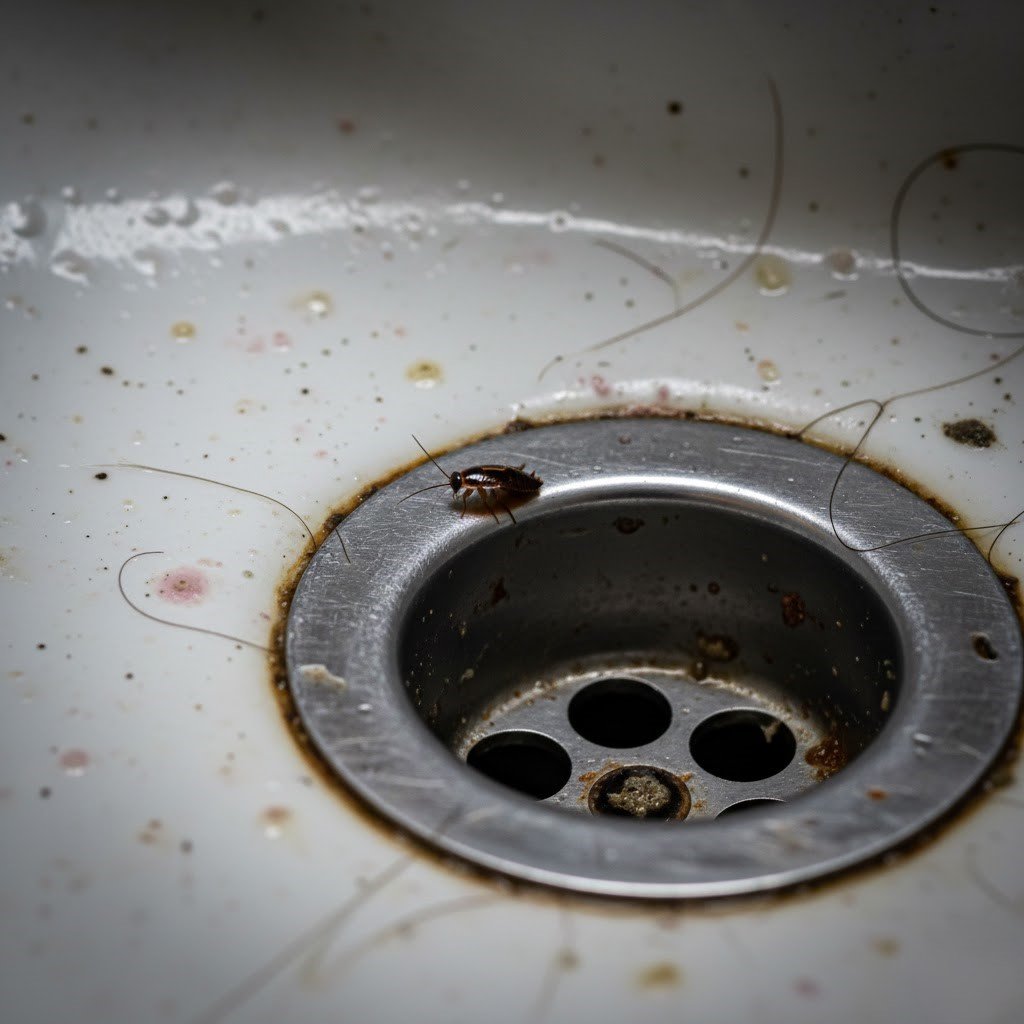
Sealing the Pipe Penetration Points:
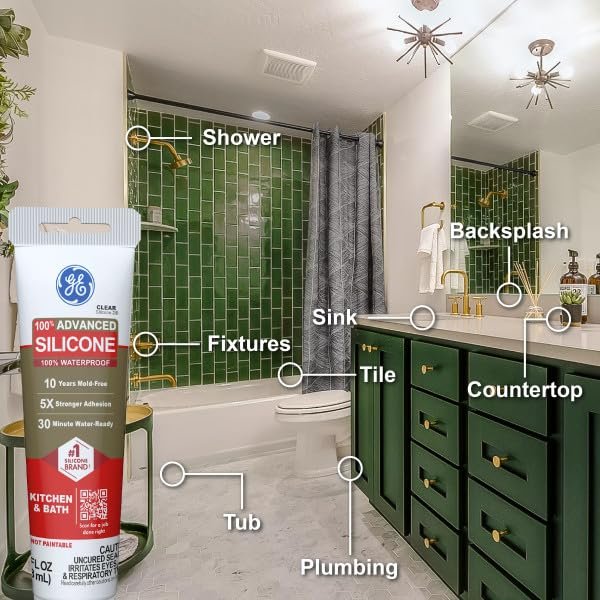
Cockroaches rarely enter a cabinet through the front doors; they commute through the walls. The most common entry point is the jagged hole cut into the drywall where the plumbing pipes come into the cabinet. These gaps provide a direct superhighway into the dark voids behind your walls. Purchase a can of expanding foam insulation or use steel wool combined with silicone caulk to completely seal the gaps around these pipes. This permanently blocks their access to your living space.
Dehumidifying the Dark Voids:
Even without a leak, the area under a sink can become incredibly humid due to hot water running through the pipes and the lack of ventilation. To make this area completely inhospitable, place a small, moisture-absorbing desiccant bucket (like DampRid) in the back corner of the cabinet. Furthermore, applying a light dusting of boric acid powder in the deep corners will actively dehydrate and eliminate any foraging roaches that attempt to set up camp in your plumbing voids.
When to Call a Professional
While DIY methods can work for a stray roach, seeing baby cockroaches in bathroom cabinets daily indicates a structural infestation. Nymphs are the “tip of the iceberg.” For every one you see, there are likely dozens more hidden inside the walls or floorboards.
Managing a pest problem requires a strategic approach that addresses the root cause, not just the visible symptoms. If you want to ensure your bathroom remains a sanctuary rather than a breeding ground, expert intervention is the most reliable path forward. Our team specializes in identifying specific species and deploying targeted treatments that are safe for your family but lethal to the colony.
Don’t wait for the problem to spread to your kitchen and bedrooms. Take action today to protect your home’s hygiene and your family’s peace of mind.
Read More Abut: How To Kill Baby Roaches In Kitchen Cabinets And Counters
FAQ: Baby Roaches in Bathroom
Why are there baby roaches in my bathroom but not my kitchen?
Bathrooms often have higher humidity and more secluded hiding spots (like behind tiles or under vanities) compared to kitchens. If the infestation is in the early stages, they may have simply hatched near a bathroom drain and haven’t migrated yet.
Can baby roaches come up through the bathtub drain?
Yes. If the plumbing has gaps or if the sewer lines have an infestation, roaches can crawl up through the pipes. This is especially common in apartment buildings or homes with older plumbing.
Does seeing a baby roach mean my house is dirty?
Not necessarily. Roaches are attracted to moisture and shelter. Even the cleanest bathroom can have a leaky pipe or a gap in the baseboard that invites them in.
Will bleach kill baby roaches in the drain?
Bleach may kill the roaches it touches, but it won’t solve the problem. Roaches live in the “dry” parts of the pipes and walls where bleach won’t reach. It’s better to use gel baits or insect growth regulators (IGRs).
How long does it take for a baby roach to become an adult?
Depending on the species and the temperature, it takes about 50 to 100 days. This is why immediate action is necessary to stop them before they can reproduce.
Conclusion
Finding baby roaches in bathroom corners is a clear signal that your home is providing the perfect environment for a cockroach colony. By focusing on moisture control, sealing entry points, and targeted baiting, you can disrupt their life cycle. Remember, the presence of nymphs means a nest is nearby. Don’t let a small problem turn into a full-house infestation. Be proactive, stay vigilant, and don’t hesitate to seek professional help to ensure these persistent pests are gone for good.