Learn all about the Oriental cockroach (the waterbug), including its dark appearance, damp habitats, health risks, and how to keep these moisture-loving pests out of your home.
Meet the Dark and Sluggish Invader
If you have ever found a dark, heavily armored insect lingering near a leaky pipe or a damp basement floor, you might have assumed it was just a strange beetle. But here at babyroach.com, we know the truth: you’ve likely just met the Oriental cockroach. Often referred to colloquially as a “waterbug” or a “black beetle,” this pest is incredibly common, deeply unhygienic, and entirely reliant on moisture to survive.
What Does an Oriental Cockroach Look Like?
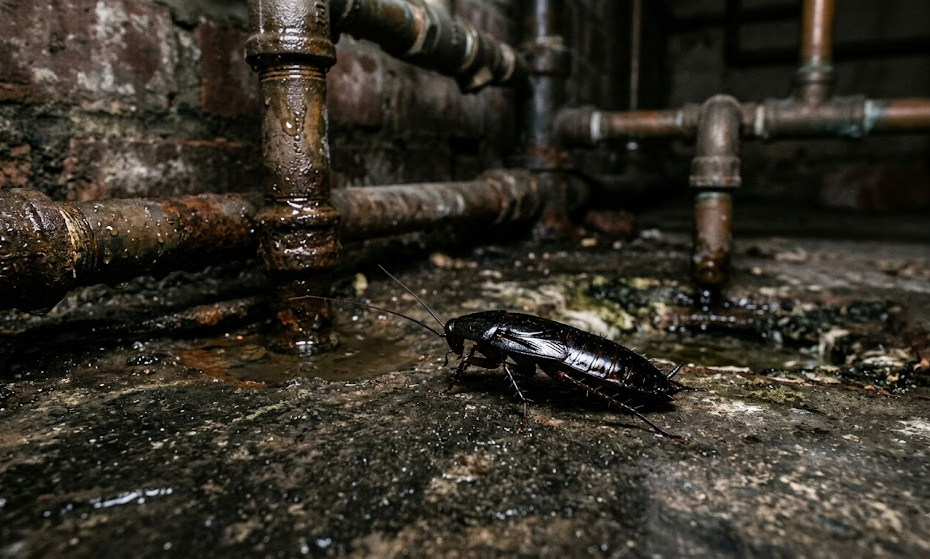
Unlike the light tan German roach or the reddish American roach, the Oriental cockroach is intensely dark. They are usually dark brown to striking, glossy black. They are medium-sized, measuring about 1 to 1.25 inches in length.
Interestingly, there is a stark visual difference between the males and the females. Males have wings that cover about three-quarters of their abdomen, while females are practically wingless, featuring only small wing pads. Despite having wings, neither the males nor the females can fly. They are notably sluggish and move much slower than other cockroach species.
Why Are They Called “Waterbugs”?
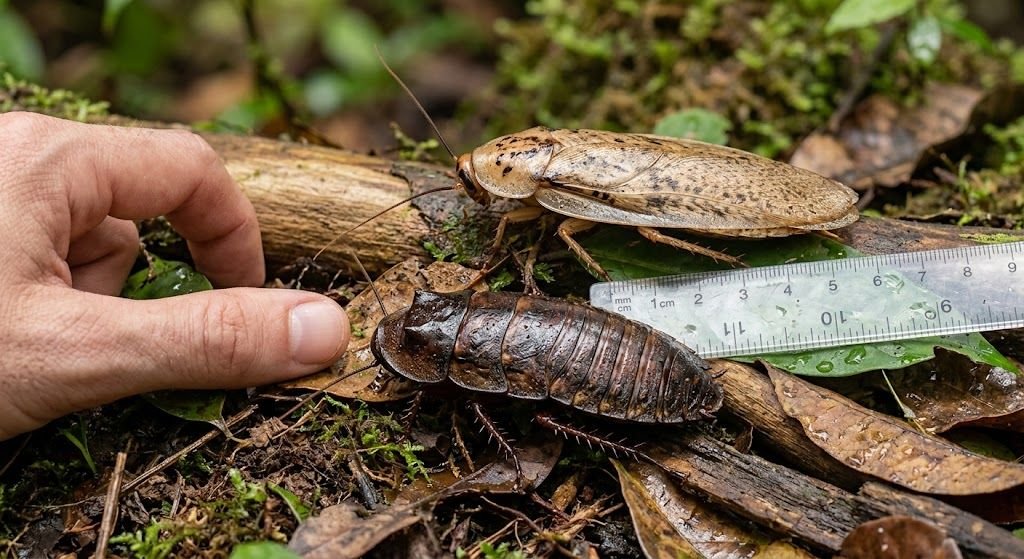
The nickname “waterbug” comes from their absolute dependence on highly damp environments. While other roaches can survive in dry pantries or behind warm electronics, the Oriental cockroach needs a constant water source. Outdoors, they live under decaying leaves, in mulch beds, or inside storm drains and sewer grates. When they move indoors, they stick to the wettest areas of a house: basements, crawl spaces, washing machine areas, and around leaking plumbing.
The Health Risks They Carry:
Because of their preferred habitats—sewers, drains, and garbage heaps—Oriental cockroaches are considered one of the dirtiest pest roaches. As they crawl out of drains and into your lower cabinets or basement floors, their legs and bodies drag dangerous bacteria, pathogens, and decaying organic matter with them. Sealing up leaks, using dehumidifiers, and ensuring proper drainage around your home’s foundation are the best ways to keep these water-loving pests out.
Read More Guides: How Big Are Baby Cockroaches? Identification and Prevention Guide
Conclusion
Finding a black baby roach is a clear signal from nature that your home has a vulnerability—be it excess moisture, easy access to food, or unsealed entry points. By focusing on identification first, you can choose the best way to kill roaches specifically suited for that species.
Remember to prioritize gel baits over sprays, eliminate standing water, and act quickly. The faster you respond to the sight of a nymph, the easier it is to stop a colony before it grows into a multi-generational problem. Stay diligent with your sanitation, seal those cracks, and you will reclaim your home from these unwanted guests.
FAQ: Frequently Asked Questions About Black Baby Roaches
1. Are black baby roaches dangerous?
While they don’t bite or sting, they are significant health risks. They carry bacteria like Salmonella and E. coli on their bodies, which they spread over your food and surfaces. Their droppings and shed skins can also trigger asthma and allergies, especially in children.
2. Why do I only see them at night?
Roaches are nocturnal and highly photophobic (fearful of light). If you see a black baby roach during the day, it often means the hiding spots are so overcrowded that the weaker roaches are being pushed out into the open.
3. Does seeing one baby roach mean an infestation?
In almost every case, yes. Roaches are social insects that live in large groups. Because nymphs do not travel far from where they hatched, seeing a baby indicates a nest is very close by.
4. How long does it take for a baby roach to become an adult?
It varies by species and temperature. For the Oriental roach, it can take anywhere from 6 months to a year. However, they are persistent survivors even in the nymph stage.
5. Can I use vinegar to kill roaches?
No. While vinegar is a great cleaning agent, it does not kill roaches. It may temporarily clean the pheromone trails they leave behind, but it will not stop an infestation.